Paul Stebbing, Barnsley Archives and Local Studies Manager, examines a visually impressive parchment document which casts light on an important part of Monk Bretton’s history.
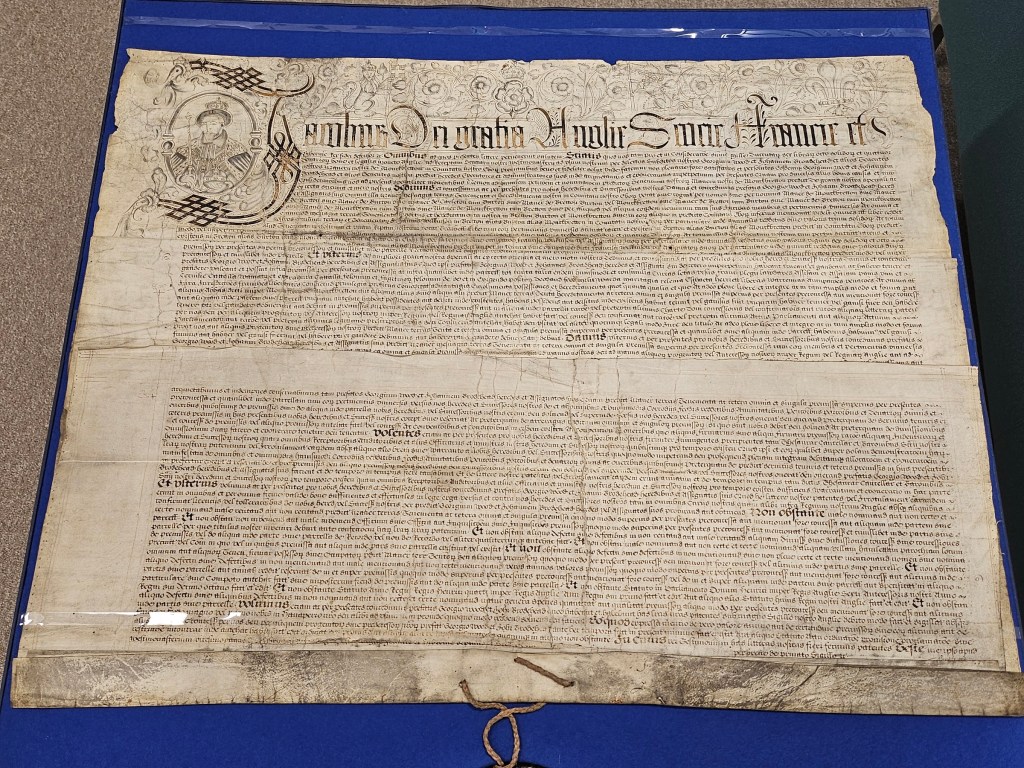
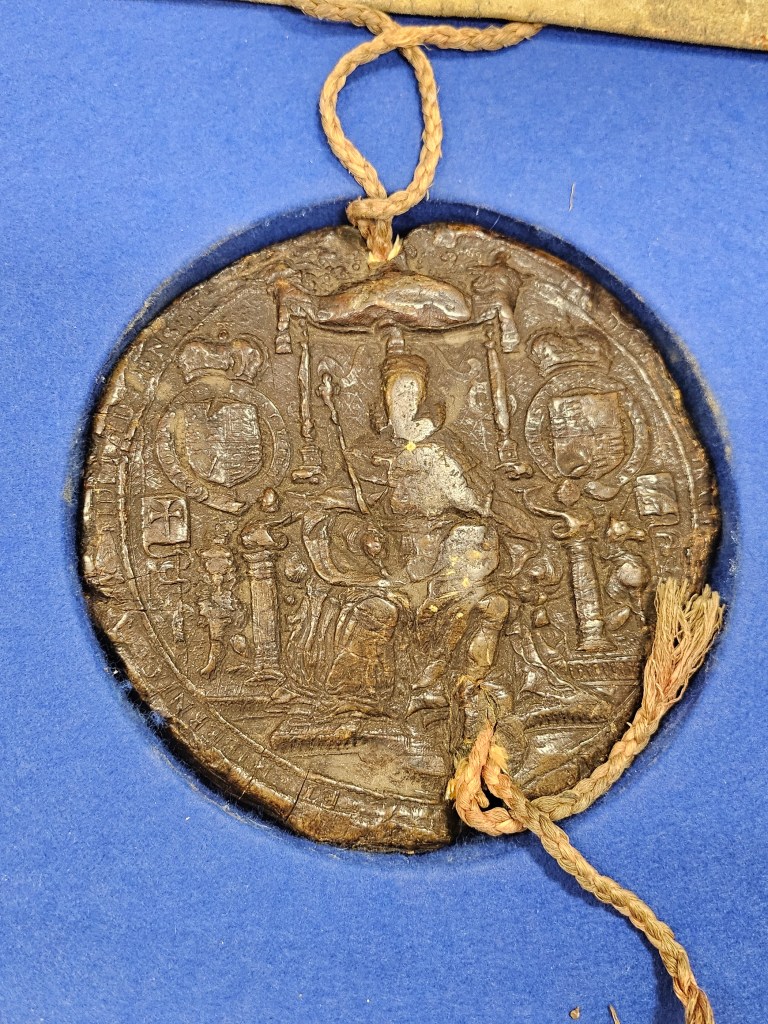
One Gem from the Archives that makes an appearance at many of our events and open days is the Grant of King James I by letters patent of the Manor of Monk Bretton to George Wood and John Broadhead. It dates back to the 28th February 1610, just five years after King James survived Guy Fawkes’ Gunpowder Plot. Written entirely in Latin, its size and impressive appearance, with the monarch’s great seal affixed, means that it always attracts a lot of interest. But as well as being visually very interesting, it ranks as one of the most important surviving documents relating to the history of Monk Bretton.
Monk Bretton, or Burton as it was often known, has a long history and was mentioned in the 11th century Domesday Book. Burton stems from an anglo saxon word meaning fortified settlement and heading east towards the coasts of Yorkshire and Lincolnshire are several towns and villages with the prefix Burton – including Burton Agnes, Burton Constable, Burton Fleming and Burton upon Stather. Certainly the original position of the Township of Monk Bretton, on the top of Burton Bank, would have meant from a strategic point of view that anyone or anything could be seen approaching from any direction.
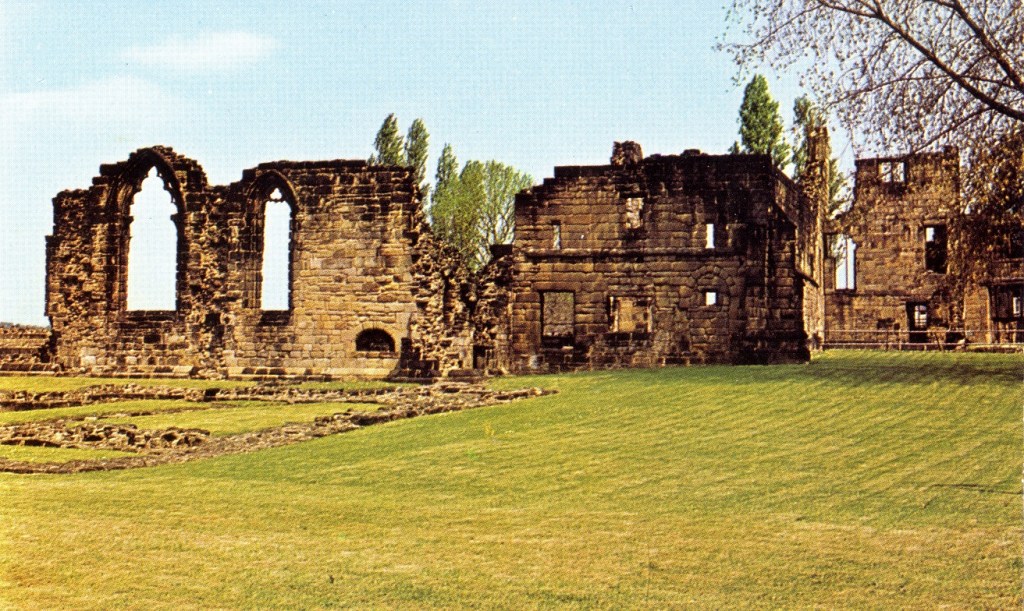
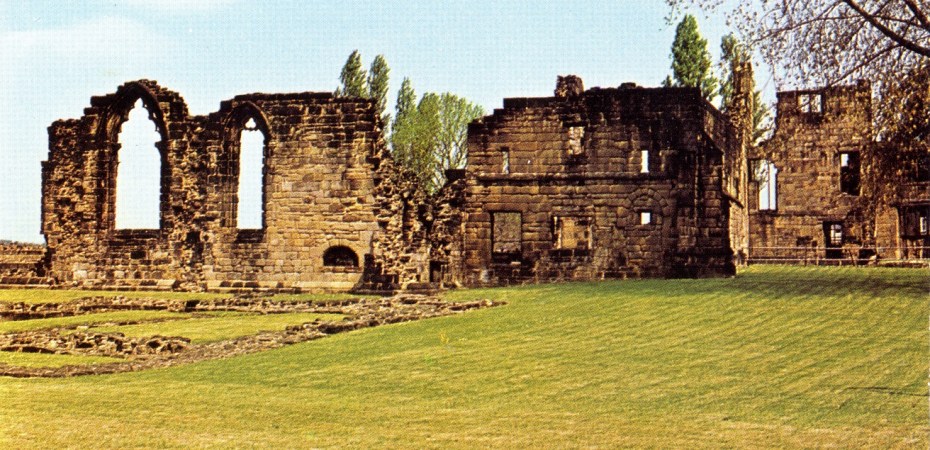
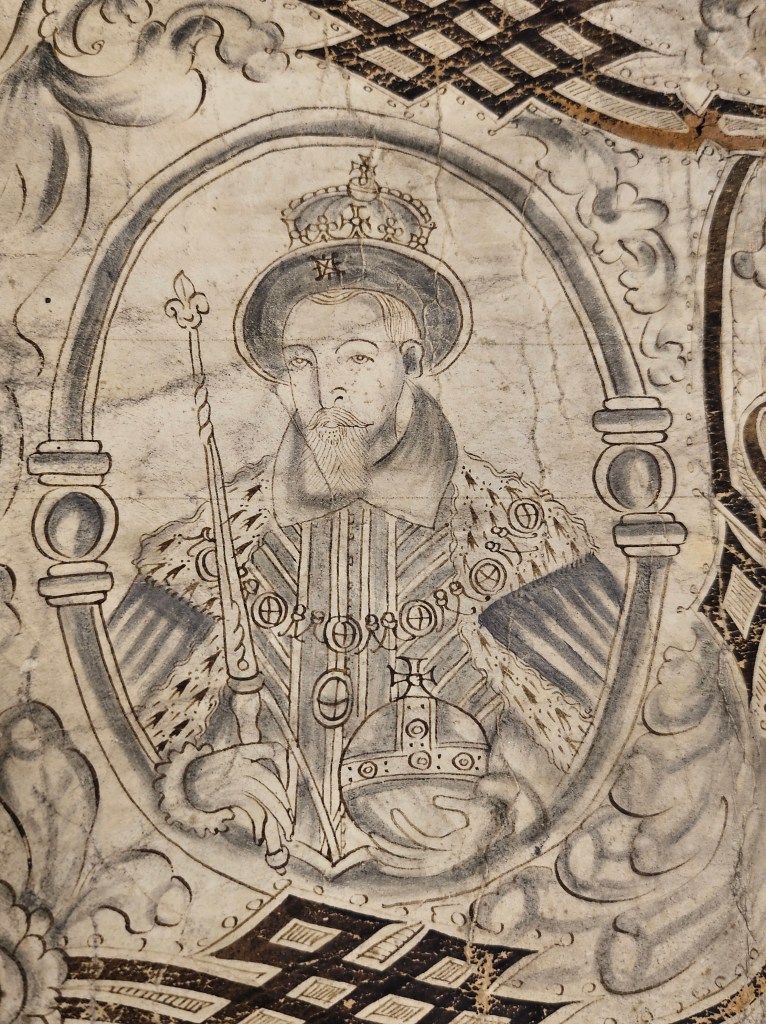
The area of Monk Bretton was chosen as the location of St. Mary Magdalene Priory, the ruins of which are now cared for by English Heritage, and are situated in the small nearby village of Lundwood. Founded in the mid-12th century by local landowner Adam Fitzswaine, the priory was a daughter house of the rich Cluniac priory at Pontefract. But within 50 years bitter quarrels had broken out between the two houses, as Pontefract sought to retain direct control of Monk Bretton. The dispute was only resolved in 1281, when Monk Bretton seceded from the Cluniac Order and became a Benedictine house. Closed in 1538 as part of King Henry VIII’s Dissolution of the Monasteries, the priory was said to have been plundered for usable building materials and any valuables. The Manor of Monk Bretton did not pass into private hands at that time, but was instead retained by the Crown. However, 72 years later, under the direction of King James I, the freeholders of the Manor of Monk Bretton were given the opportunity to purchase their holdings, and it is this part of Monk Bretton’s history which the letters patent detail. Letters patent were open letters and legal instruments issued by the monarch granting an office, right, title or status. They are also used to grant land, privileges and pardons. They are usually always very impressive documents, written on large sheets of parchment, with illuminated initial letters, and decorated with a portrait of the King or Queen.
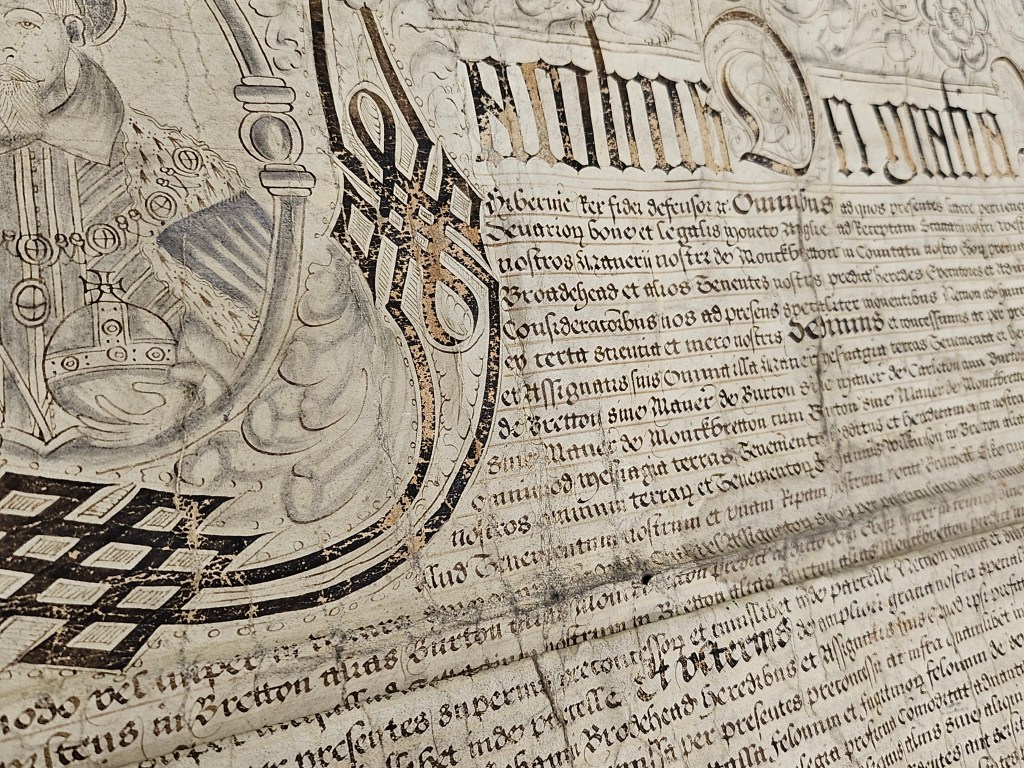
The Monk Bretton Letters Patent begins with “Jacobus Dei gratia Anglie Scocie Francie et Hibernie Rex Fidei defensor,” which is translated as “James, by the grace of God King of England, Scotland, France and Ireland, defender of the faith.” It consists of three sheets of parchment, each measuring about 80 x 68cm. The attached great royal seal measures 15cm in diameter. The document records that George Wood and John Broadhead, as “principal freeholders of Bretton,” were entrusted with the negotiations, and then goes on to name individual freeholders and detail the extent of their lands. Names include Robert Anderson, William Arseden, John Belton, Henry Blackburn, John Boyne, John Broadhead, Robert Broadhead, George Crawshaw, John Crawshaw, William Cutt, Thomas Dransfield, Richard Farneworth, Thomas Fletcher, John Forster, Henry Foster, John Foster, William Foster, John Foxe, Thomas Greene, Robert Hall, Mr Hatley, Dorothea Hawksley, John Hunter, George Kingston alias Oxley, John Lee, William Maude, Arthur Naylor, John Oxley, John Scammaden, Richard Scammaden, Thomas Steele, Richard Swift, John Swift, Thomas Walker, Thomas Warren, Francis Wilkinson, John Wilkinson and John Wilson. Places and field names within Monk Bretton include Sikeroyds, Agley Croft, Genkin Carr and the Town well.
So often, documents from centuries passed are lost to history, but such is the importance of this grant, that it has been held, cared for and preserved locally since its creation in the 17th century. It was then passed into the safe custody of Barnsley Archives, shortly after the new service was founded in 1987. It was then cleaned, conserved and had its own bespoke storage box made. Having survived for over 400 years, we want to ensure that it can be seen and enjoyed by researchers for centuries to come. It is a key part in the story of Monk Bretton.
Monk Bretton Priory Online Talk
In 2025 Fred Thompson gave a talk at a Barnsley Civic Trust event about the history of the Priory which you can now watch on YouTube.



 Barnsley Museums Blogsite