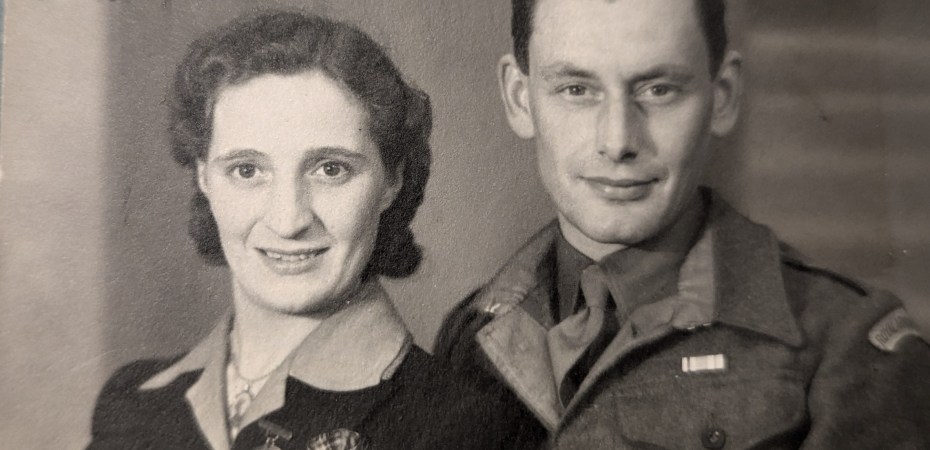
Many men’s stories from WWII remain untold, as they witnessed horrors too great to share, however, Barnsley man Ernest Chapman shared his traumatic war story, which is worthy of a Hollywood movie. Tracey Hebron (Collections Clerk) explores the life of a war hero.
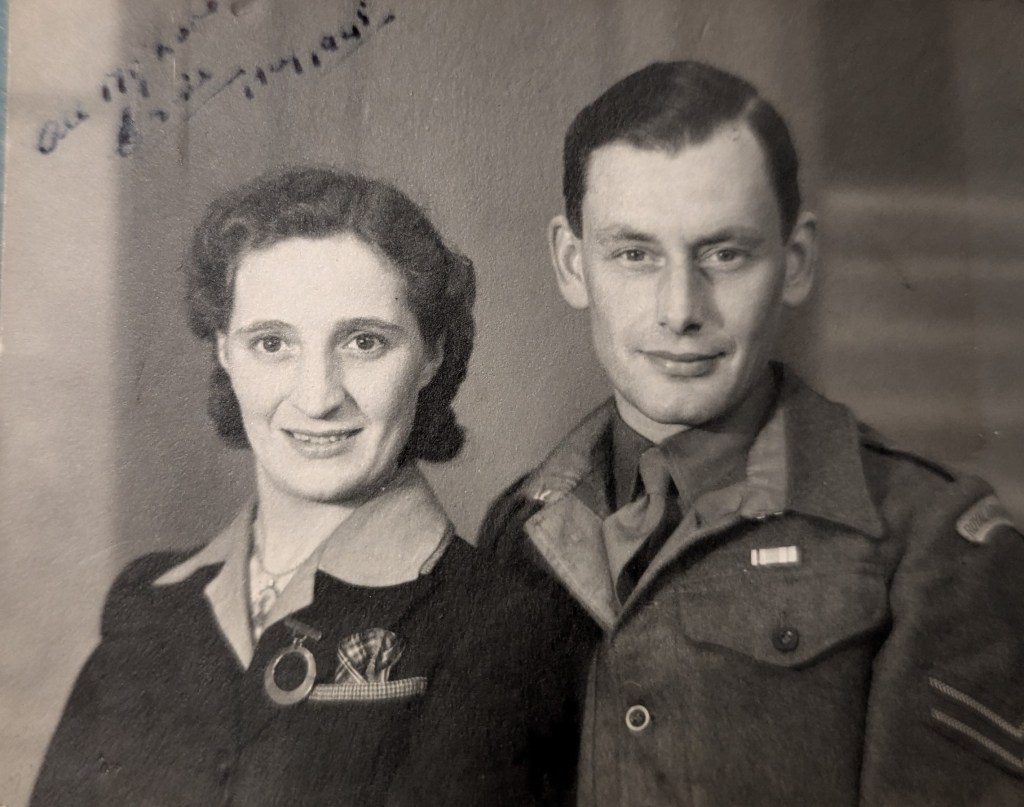
His story began in September of 1933 when he became 7884421 Private Chapman, becoming part of the 392 Squad when completing his training at Lulworth. Following six years of training Ernest knew that he would be amongst the first to be called up for action when war was declared on 2 September 1939 so he married Doris (Dot) Thorp at Wombwell Parish Church in haste:
“Until Friday afternoon we had no thought of getting married at present, said the bride. Then my fiancé received his calling up order, and in a few moments we decided that we should get married”
In 1940 he took part in the Battle of France and was evacuated via Dunkirk. From here he was sent to the Middle East, and with the troops headed North to Athens then Glyfada and later Nauplia. It was here that disaster first hit, in his own words Ernest explained “We headed inland and saw a small church, we decided to have a rest inside, we dropped off to sleep and were woken by some German paratroopers who had thrown a grenade through the door. It was the most traumatic experience of my life, I was a prisoner of War”.
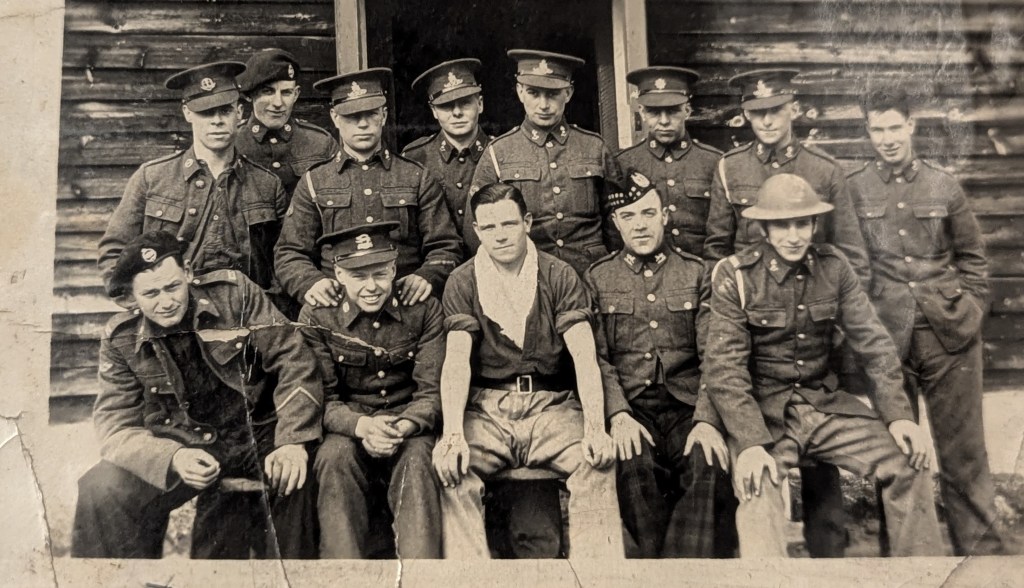
Ernest was moved via cattle wagon to a camp in Corinth, then later made to walk miles to a camp in Larissa. It was here that Ernest plotted his first escape, after a few days he was able to steal a bayonet from a guard, he cut through the boards of his bed and started digging for freedom. With help from his pals they found themselves outside the camp boundary, however they were caught and put on a train to Germany. Eager to get out of the situation, Ernest plotted his second escape, Ernest said “I looked through the little window and decided to have a go, I hung out and then let go and fell, with my face a foot from the rails”. His buddy John Chadwick followed and together they walked from the station to a nearby village where a local gave them food and plain clothes to change into. Later they took a ride from a red cross ambulance but the driver took them straight to some German soldiers who put them back on a train to camp.
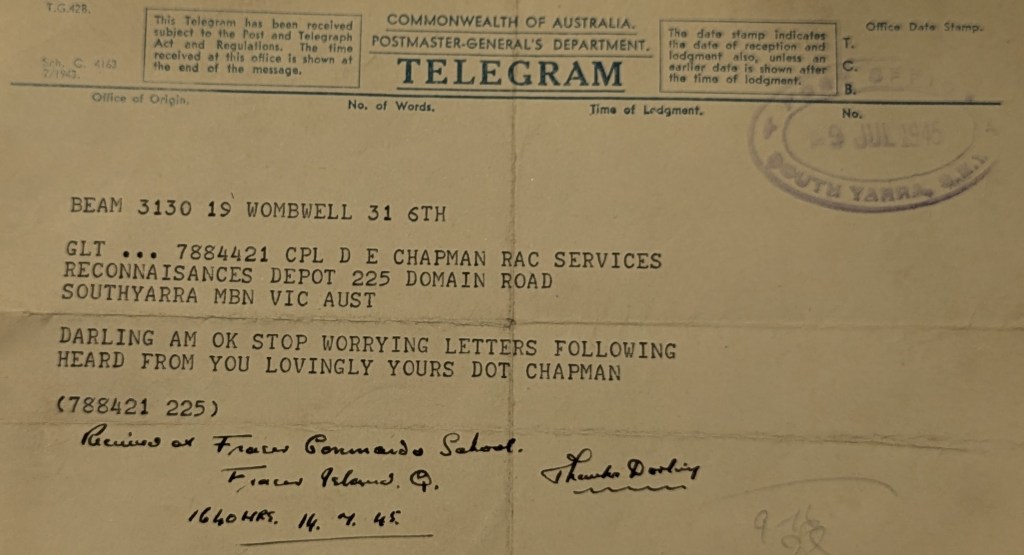
You would have thought after a second failed attempt at escape, Ernest could have been forgiven for not trying again, but that he did. On the train back to camp he cut away a lock on a door and jumped free. He headed for another local village and eventually ended up staying with a family. When news of Germans searching nearby properties got to Ernest, he kept moving from village to village. Eventually camping for two weeks on a mountain but was unfortunately caught and became a prisoner again.
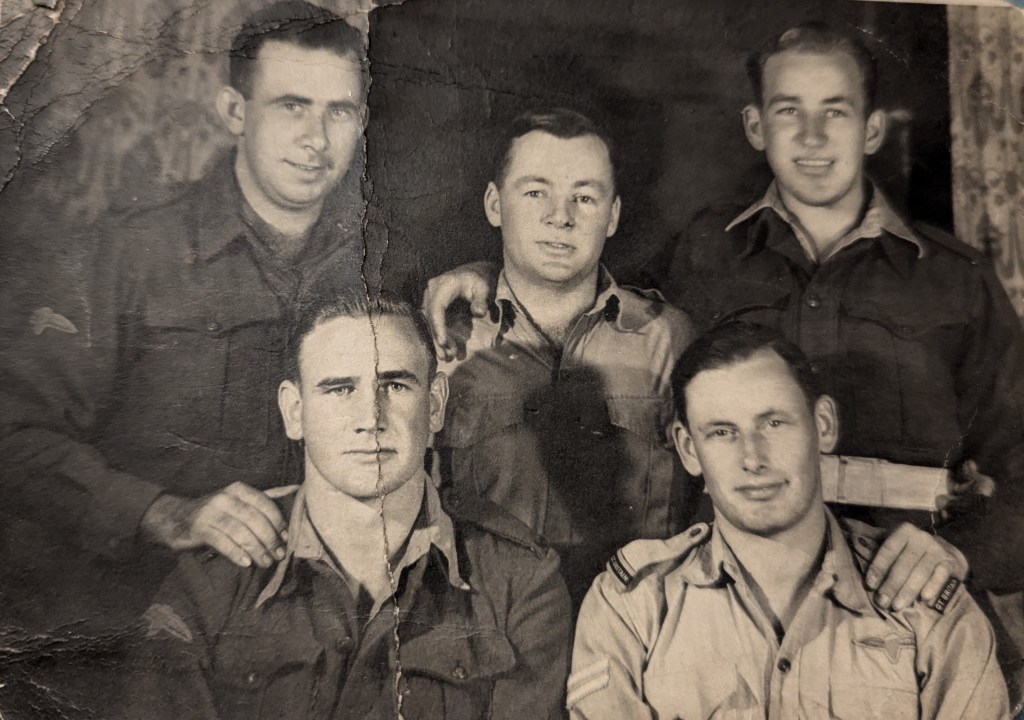
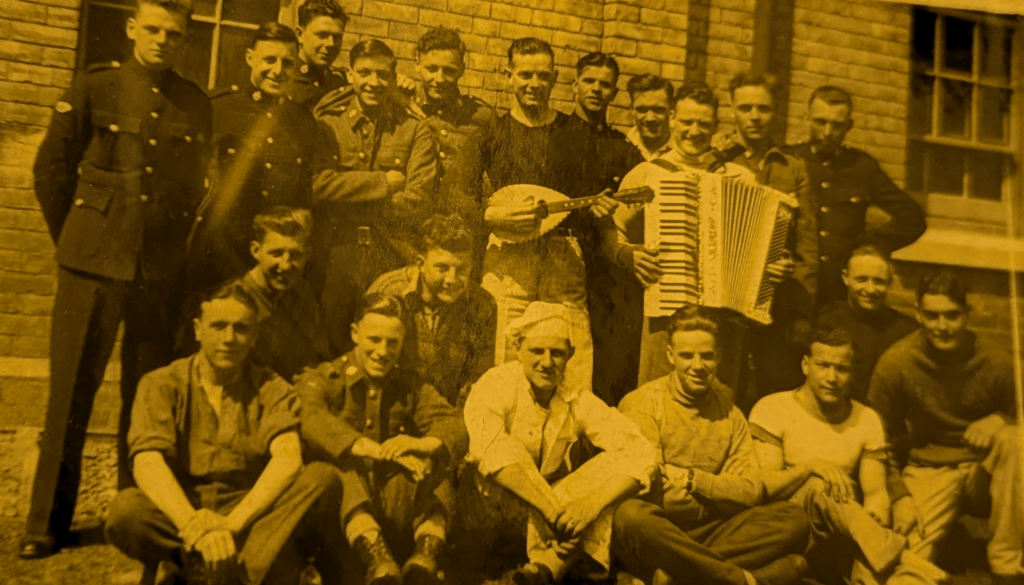
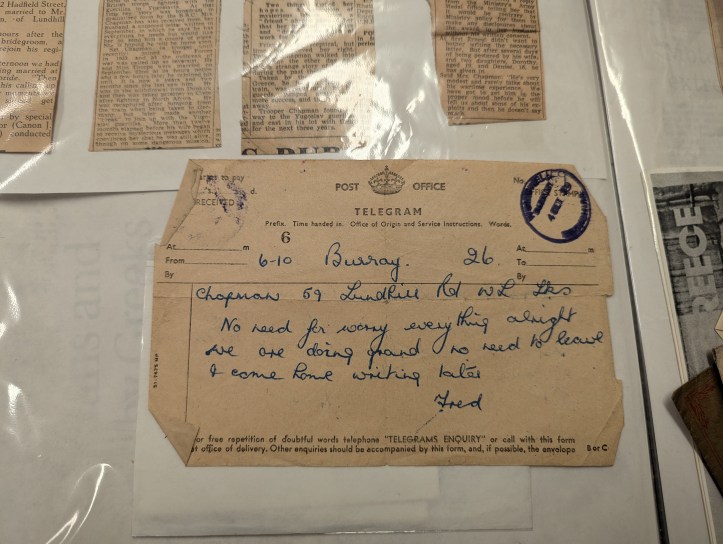
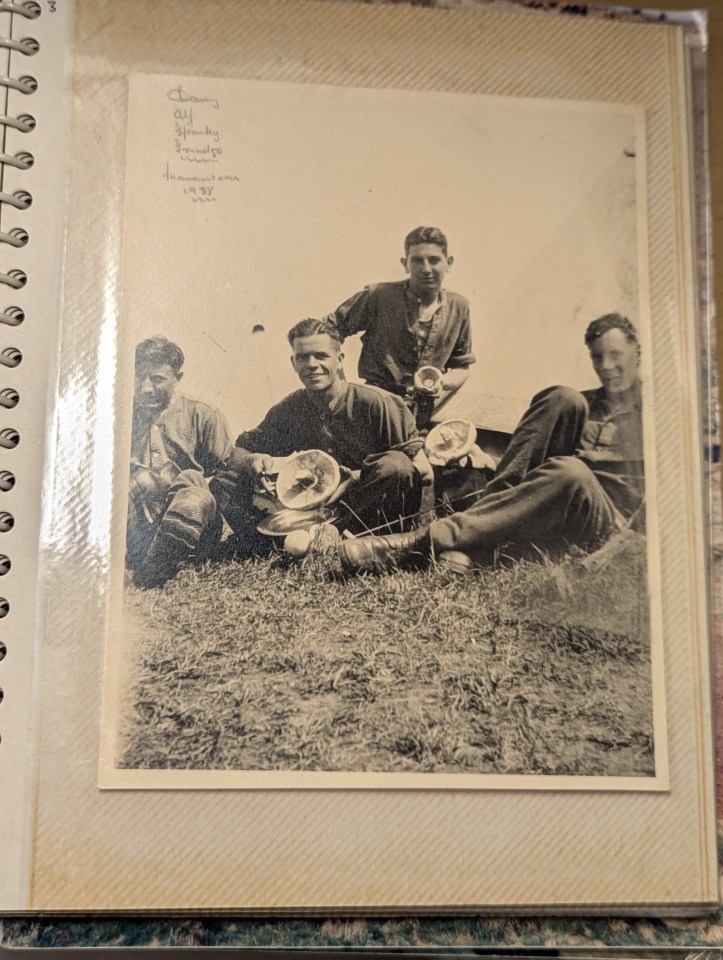
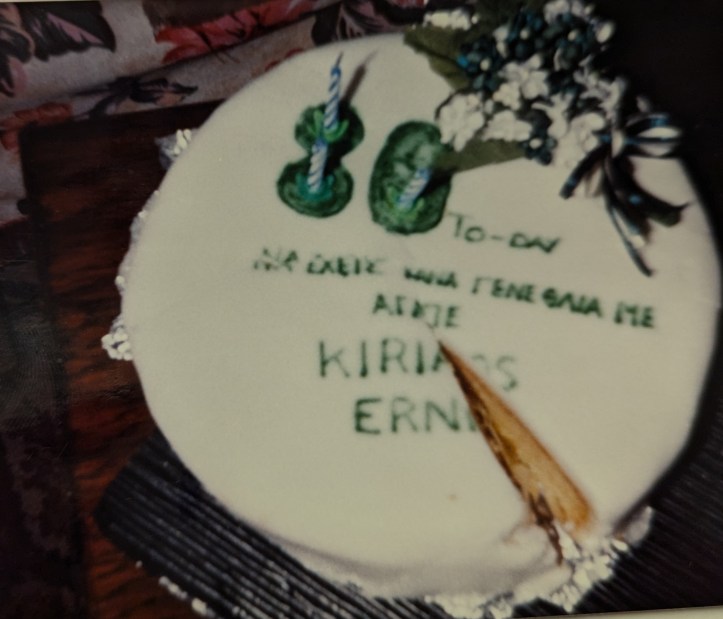
More photos from the Ernest Chapman scrapbook
Surprisingly back at the camp, he found the same tunnel he had dug out previously and made another attempt at freedom but was caught again and badly beaten by guards.
Getting fed up of Ernest repeatedly trying to escape they put him on another train to another camp, which they believed he would never get out of. On the train there he asked one of the guards if he could go to the toilet and made another dash for the door and escaped. Jumping from a bridge into the river below while guards fired at him. He hid under the bridge until the train eventually moved on. From here he joined other British officers and helped them with sabotage, eventually moving to Kaimatsalon.
He became a fugitive in Greece, served as an explosive’s expert with the Greek Communist partisans. In 1944 Germany pulled out of Greece, Ernest then moved to Athens, Cairo and awaited transport back to the UK. On his return he was given six weeks leave and then reported back to Catterick camp. He was awarded the military medal and was regarded as a hero by many in Greece where many knew him as Kiriakos Gregrialis. He spent the rest of his working life in the mining industry, working at Houghton Main.
Once back in Wombwell it was rare for Ernest to talk about his time on the frontline
“Said Mrs Chapman: He’s very modest and rarely talks about his wartime experience. We have got to get him in the right mood before he will tell us about his exploits and then he doesn’t say much”
So much so that it was his wife, Dot who had to write to the Ministry of Defence about a military medal that had been awarded to him but for twenty years had never received.

He revisited Greece in the 1970’s with his wife Dot and when the locals found out his identity, they welcomed him back with open arms and wanted to build him a home. Ernest declined this kind offer as he knew that his wife wouldn’t know anyone in Greece.
His story was told in the book ‘Kiriakos: A British Partisan in Wartime Greece’ by Don Turner, published in 1982. A copy of which can be found in Barnsley Archives and Local Studies
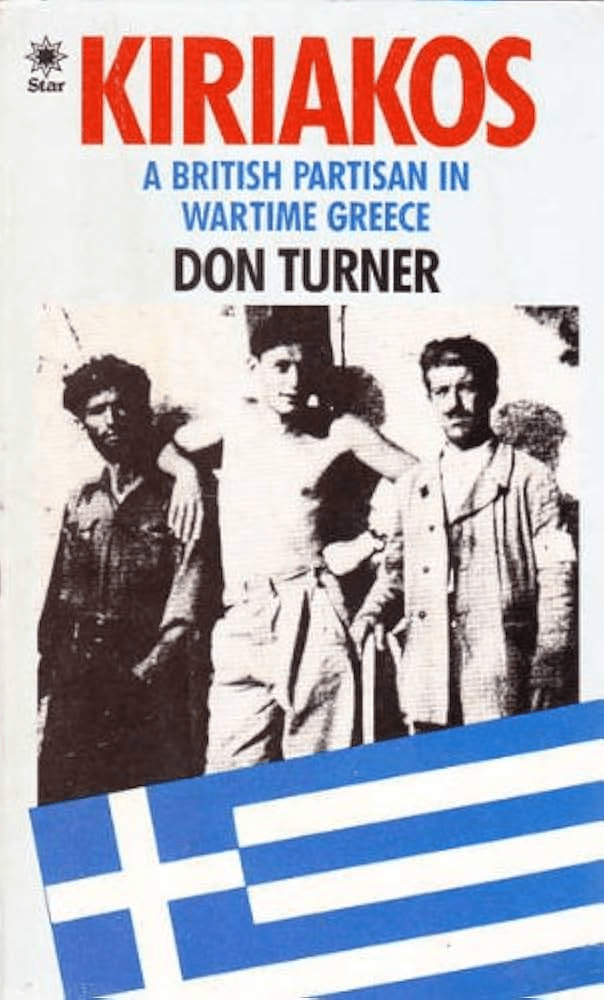
Kiriakos : a British partisan in wartime Greece
Ernest died aged 81 in 1997. His ashes were scattered in Crete where the locals still remember him. In memory of Ernest, his daughter donated a number of items to the Experience Barnsley Museum Collection and in 2021 he was remembered in a small display in the museum.
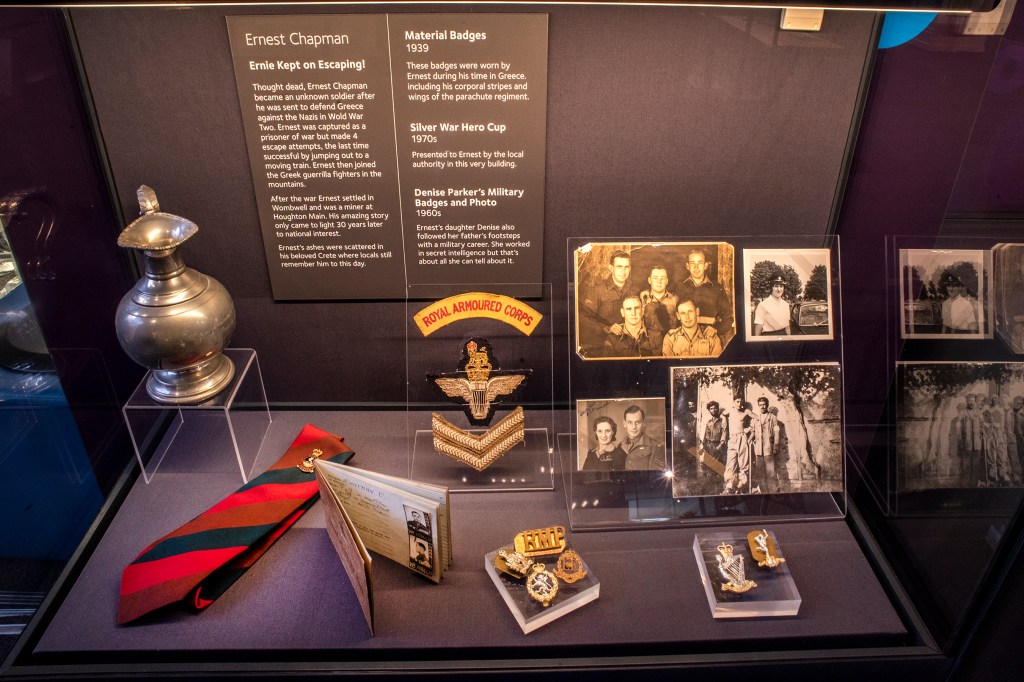
The temporary display included a small silver jug which was presented to Ernest at Barnsley Town Hall (Text on the front of the jug reads ‘Presented to Ernest Kiriakos Chapman by Barnsley Metropolitan Council, 21st April 1983’)
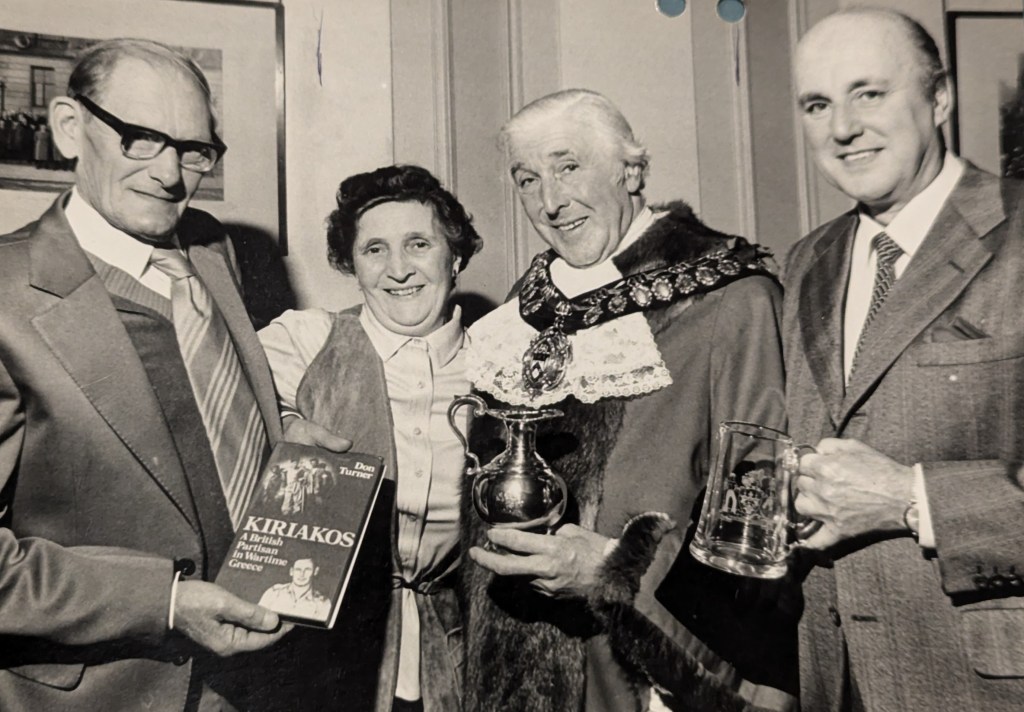
The scrapbooks and objects were kindly donated by his daughter, Denise Parker who followed in her father’s footsteps by heading into the military, she worked in secret intelligence, but that’s all she can tell us about that.
Did you enjoy this article? Subscribe to our blogsite to receive new blogs straight to your inbox


 Barnsley Museums Blogsite