Paul Stebbing, BMBC’s Archives and Local Studies Manager, examines an early 20th century account book documenting the running of Worsbrough Mill
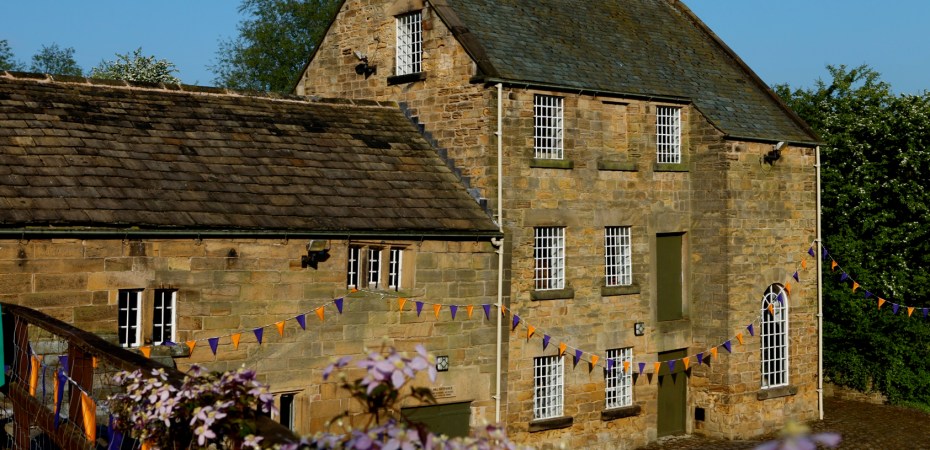
Sat just two miles south of Barnsley town centre, the borough boasts a 17th Century water mill set in 240 acres of tranquil Country Park. What’s more, it is a working water mill, that attracts thousands of visitors each year. People come from far and wide to tour the mill, learn more about the milling process, and even buy some of the organic flour produced there.
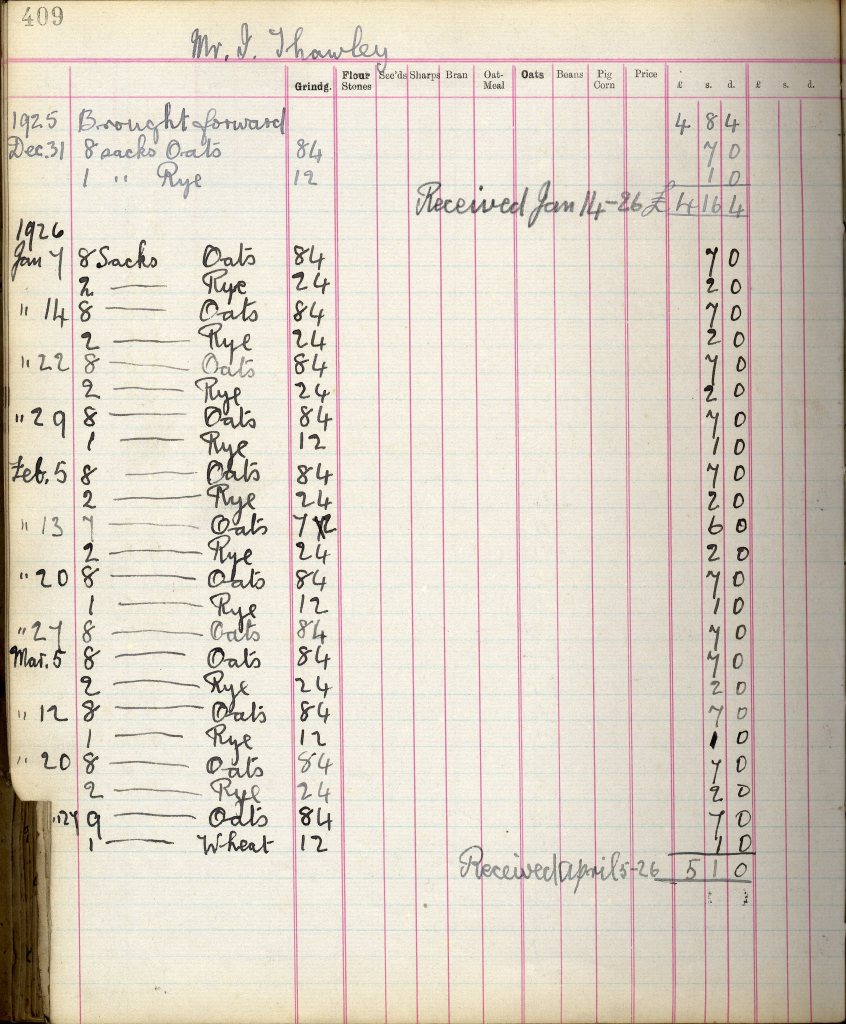
Although little paperwork survives relating to early milling in Worsbrough, Barnsley Archives and Local Studies have in their collections a tremendously detailed account book which covers the inter-war years. Kept by the Miller Reginald (Reg) Steel (1896-1974), the book commences in 1922 and records in quite some detail exactly what was ground for local people. Whether that be sacks of oats, rye, wheat or barley, the book records customer details, quantities and costs.
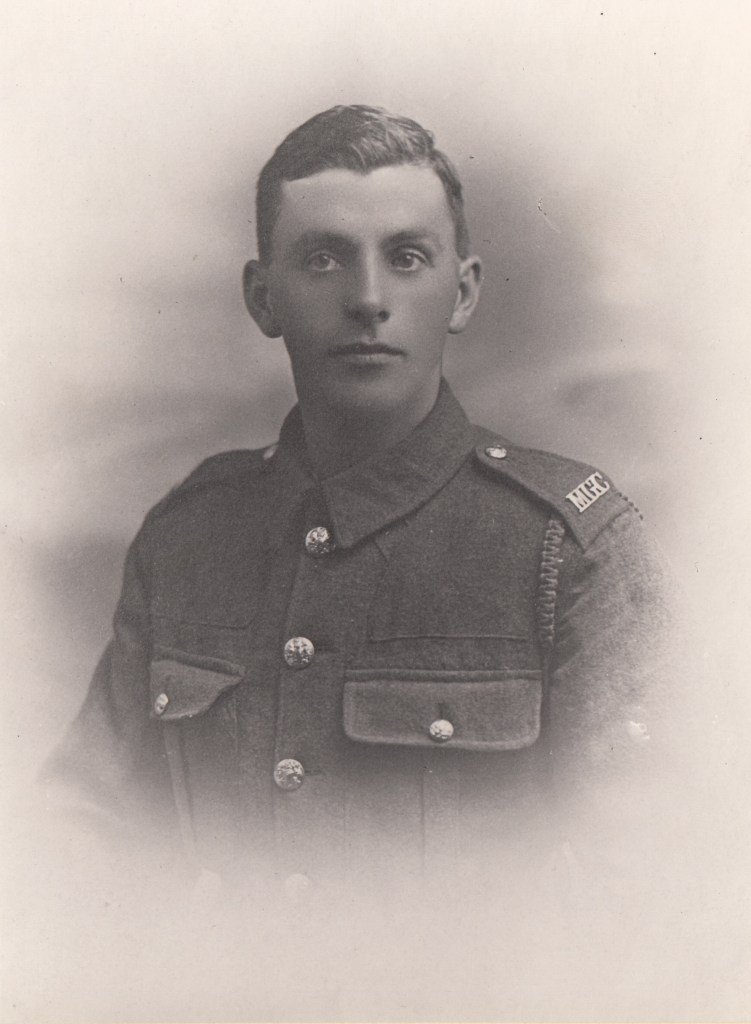
It was Reg’s father George who had first brought the family to Worsbrough in the early 1920s, but his death soon afterwards left youngest son Reg to take over. Having fought in the First World War, machine gun fire had reputedly left him with hearing problems. At the mill, he was known for wearing a balaclava, caked white with flour, in order to protect his ears.
Grain has been ground for thousands of years and the Domesday Book of 1086 refers to a water mill at Worsbrough. At that time, English rivers powered more than 6,000 water mills – roughly one for every 40 households. The 1086 mill may well have been on the same site as the present mill, which itself dates back to about 1625. The technology used has barely changed over the centuries, with the skills being passed down from one miller to the next. It was probably Thomas Edmunds of Worsbrough Hall who constructed the present mill during the reign of the ill-fated King Charles I. Back in the 17th century, millers and their families would have lived in the mill itself, until the addition of a mill cottage in 1750. The construction of the adjoining reservoir and canal in the early 1800s further added to the site, as did an additional steam powered mill. Mighty millstones were and are used to grind wheat into flour, with the power coming from the 140-year-old waterwheel, which to this day still helps to produce fresh flour. When the miller opens the sluice gate behind the mill, water rushes in, and the weight of the water filling buckets from above turns the wheel, showing the sheer power of nature! Miller Thomas Heppenstall was to find out just how dangerous milling can be though, when, in 1881 he was accidentally dragged into the machinery, being crushed very badly and surviving only an hour.
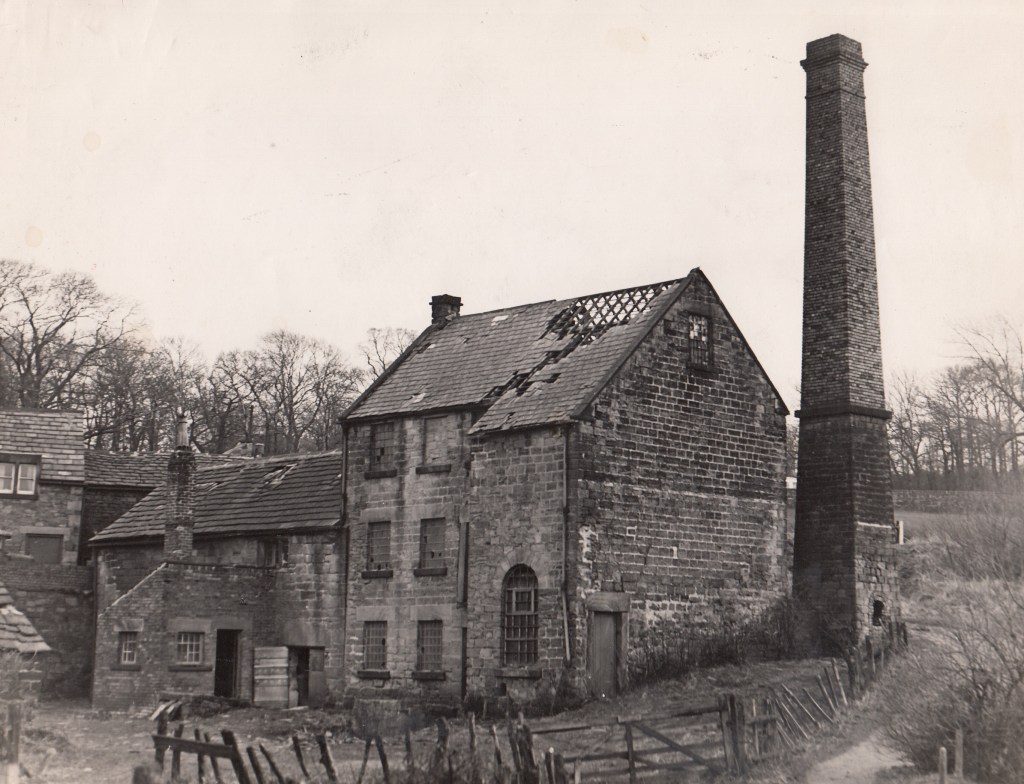
It was in the period after Reg Steel, in the 1940s and 50s that the mill began to fall into disrepair. However, miller Fred Russell helped to keep the mill turning during that period. Then in 1972 West Riding County Council began to restore Worsbrough Mill as a working museum. Sadly, Fred didn’t live to see the completion of the new museum which was opened to the public in April 1976.
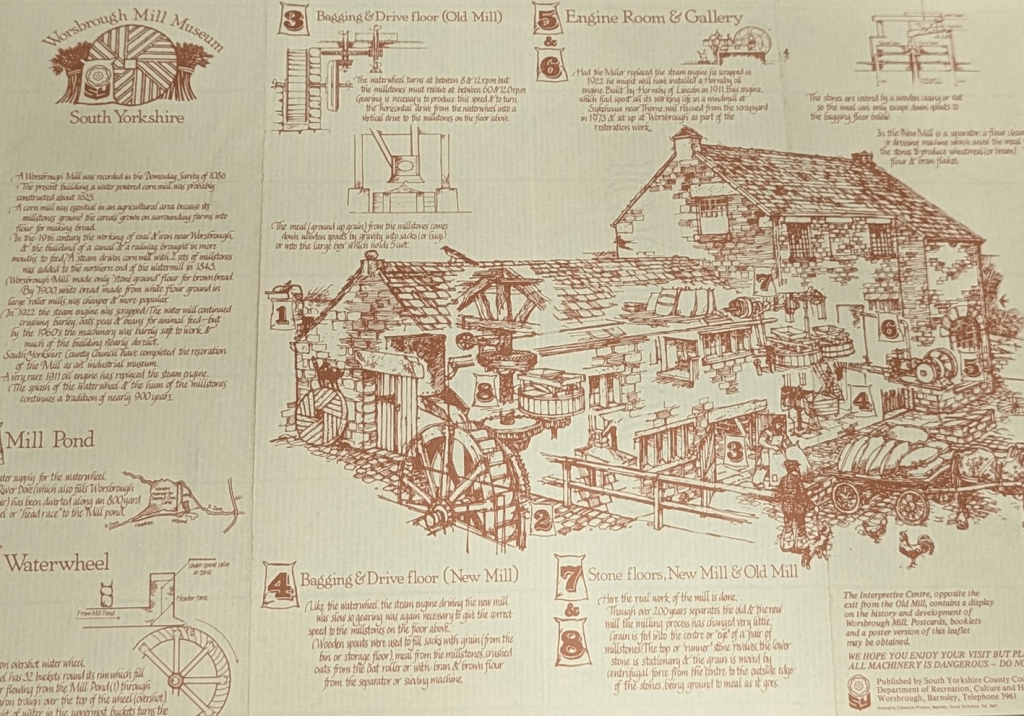
This in depth film was captured by South Yorkshire County Council in 1977. It is centred around Thomas Devey, millstone dresser and is narrated by curator Rob Shorland-Ball. It also features the brief history of the mill.
Millennium of Milling
Thanks to funding from the National Lottery Heritage Fund, Worsbrough Mill’s 400th anniversary will be celebrated with events and activities throughout 2025. Keep an eye on Worsbrough Mill’s website and social media for further information
Read our previous blog for a behind the scenes look at the mill
 Barnsley Museums Blogsite