In an article co-written by Sheauran Tan (Cannon Hall Museum Volunteers Coordinator) and Melissa Gallimore (Freelance Curator) and help from our wonderful volunteers we explore the history of the library at Cannon Hall and how a cleaning and research projects has uncovered a fascinating insight into this part of the hall
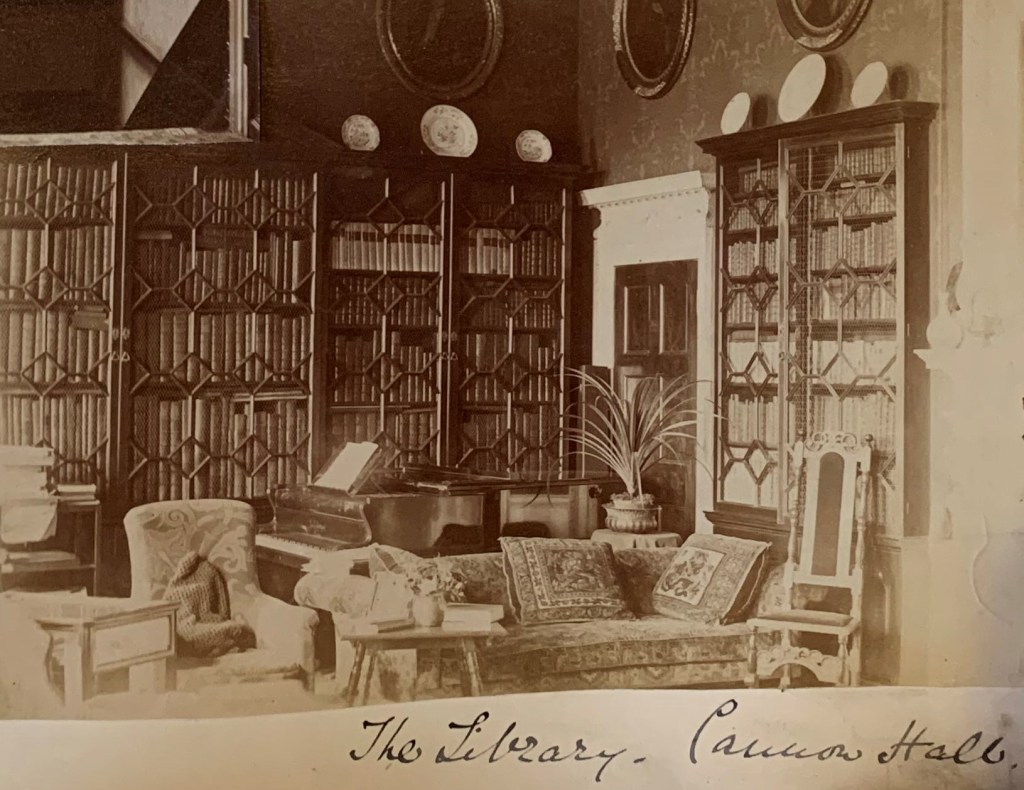
The Library is located on the ground floor of Cannon Hall Museum. The suite of rooms is referred to as the South Front and overlooks the parkland. John Spencer, (1719-1775) inherited the house in 1756 from his father, William and was a great lover of books. John collected books over the years and he would catalogue them every winter. In the 1760s, John extended the house by adding the Library and the Dining Room with the assistance of the architect, John Carr of York.
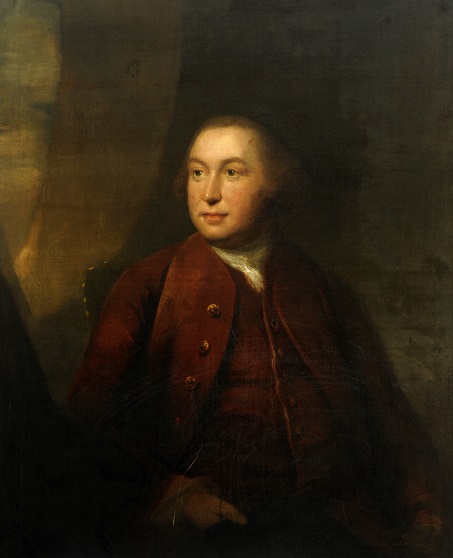

Portraits of John Spencer by Benjamin Wilson and John Carr by Studio of Sir William Beechey
An inventory from 1775 shows how the Library was furnished not long after it was completed. The room included elbow chairs covered in black leather, tables for writing and eating at, Scotch carpet and green Venetian blinds at the windows.
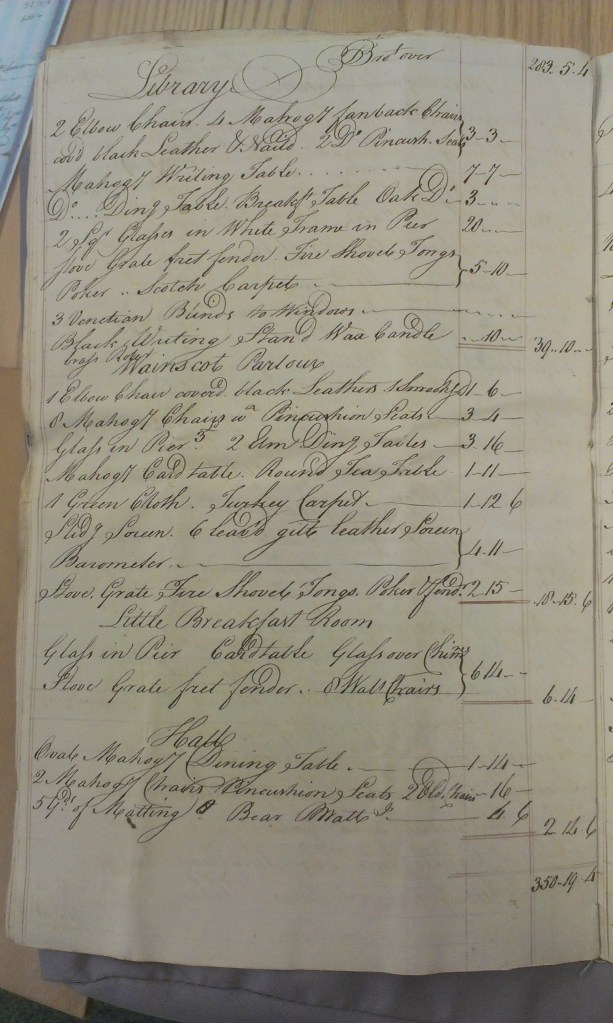
Books were collected and added to the Library by different generations of the Spencer Stanhope family until the sale of the Hall to the Barnsley Corporation in 1951. Cannon Hall opened as a museum in 1957. Before the sale of the Hall some of the books were given to members of the Spencer Stanhope family whilst others were sent to auction. Many of the books were donated directly to Special Collections at the University of Leeds.
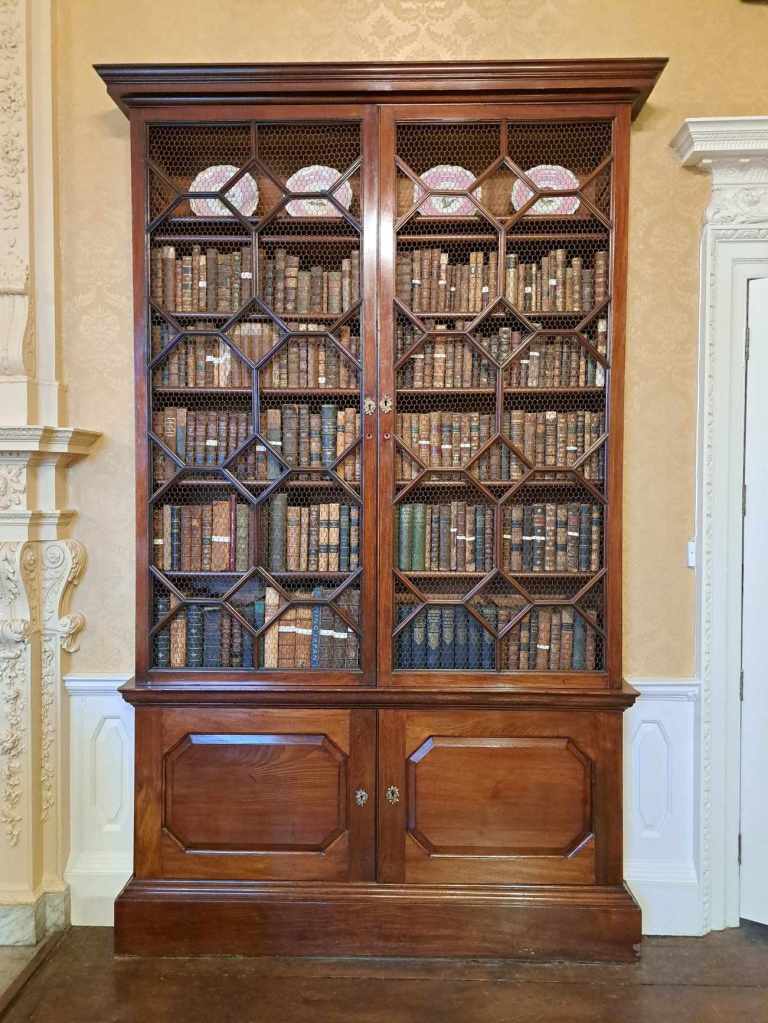
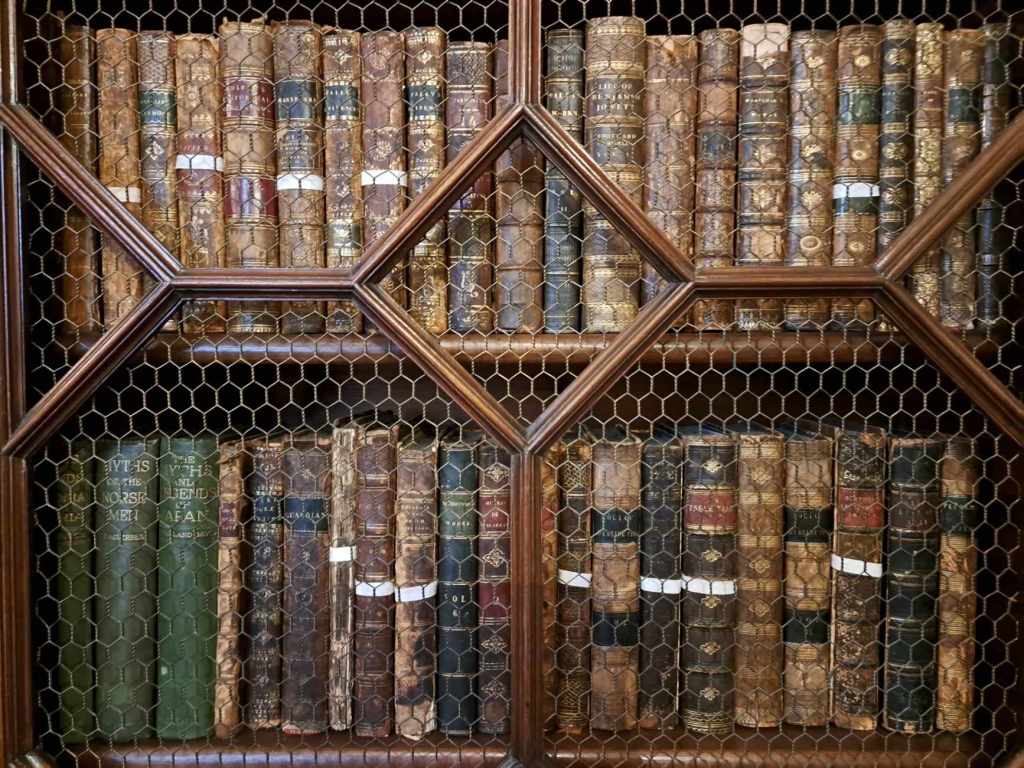
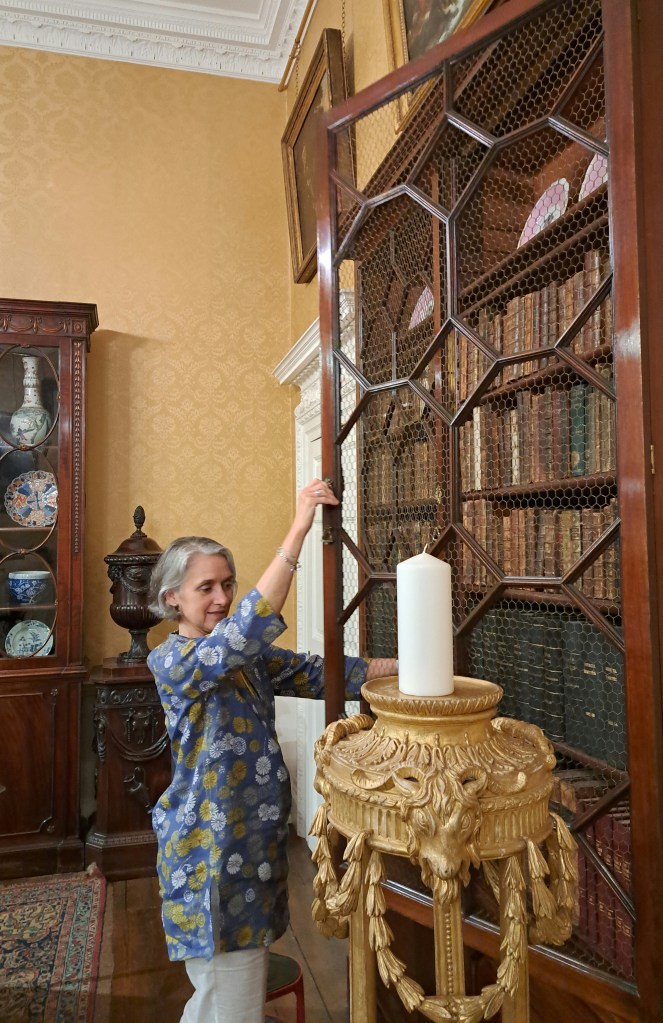
The current book collection in the Library is held in four mahogany bookcases placed against the walls – two by the fireplace and the other two between the windows. These books are not the original ones collected by John Spencer and the later Spencer Stanhope. They were bought in the 1950s and 1960s with the aim of showing how the Library would have looked previously. Volunteers are currently cleaning the books and making a basic record of their details.
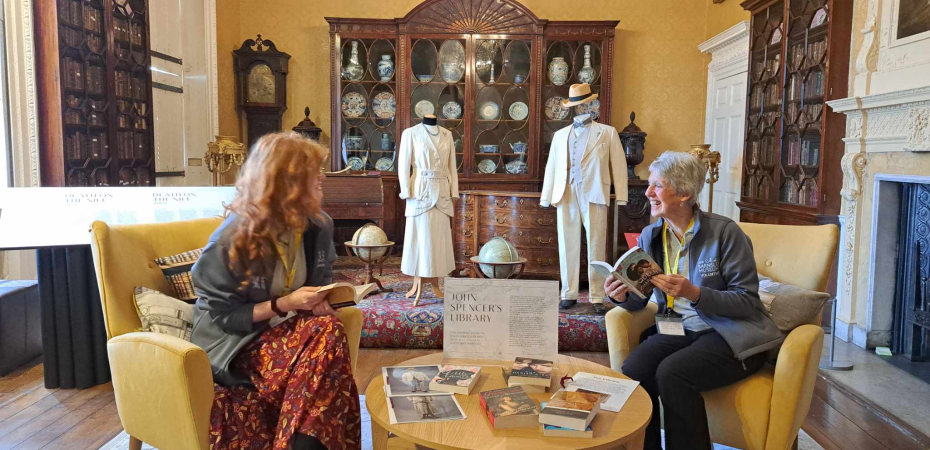
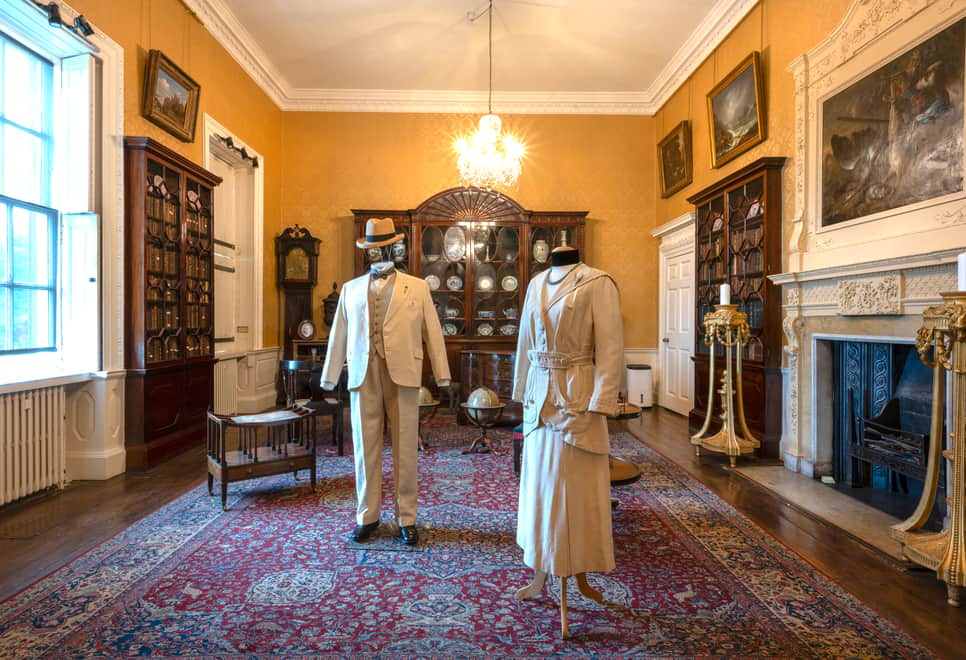
The Library also currently showcases two costumes from two different productions of ‘Death on the Nile’ as part of the latest ‘Costume from the Classics’ exhibition which runs till Sunday 15 September 2024 Costumes from the Classics | Cannon Hall (cannon-hall.com). This exhibition was inspired by John Spencer’s Library and visitors can see these amazing costumes made by Cosprop on display alongside Barnsley Museum’s collections throughout the Hall. The costumes are all connected to film and television productions based on classic books. It’s definitely a visit to bookmark in one’s diary.
Cannon Hall House Volunteers
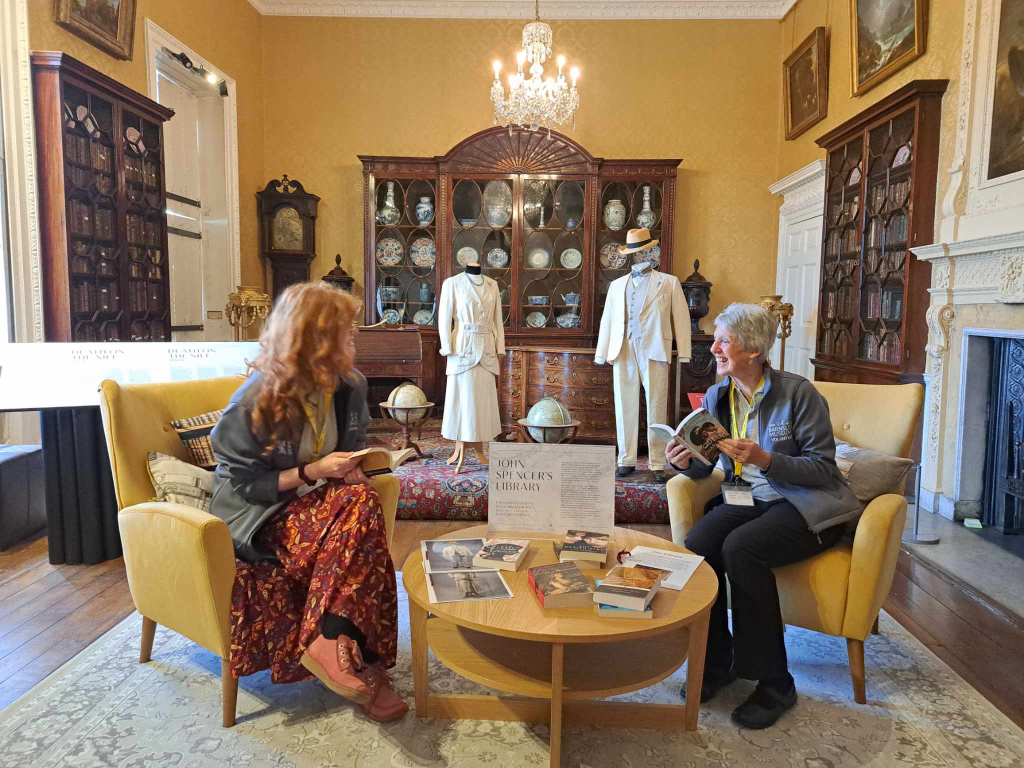
Cannon Hall House’s volunteering programme only started in summer 2023. It is still fairly new, but we have built up a group of volunteers who provide regular support for Cannon Hall Museum and the De Morgan Collection. We also have a group of volunteers who come regularly and help in the gardens. Most of the volunteers come on a regular day each week carrying out stewarding duties in the galleries as well as interacting with visitors. Some of the volunteers also help with behind-the-scenes projects such as transcribing archival material and listing and cleaning of the Library books. Volunteers were offered various training sessions to support their experience. A visit to Barnsley Archives was kindly supported by the Archives team who showed the volunteers materials relating to Cannon Hall as well as a visit to the stores Volunteers have found the volunteering experience enjoyable and sociable as they engage with local heritage. New friendships have been formed and personal confidence gained.
Library Books Listing and Cleaning Project
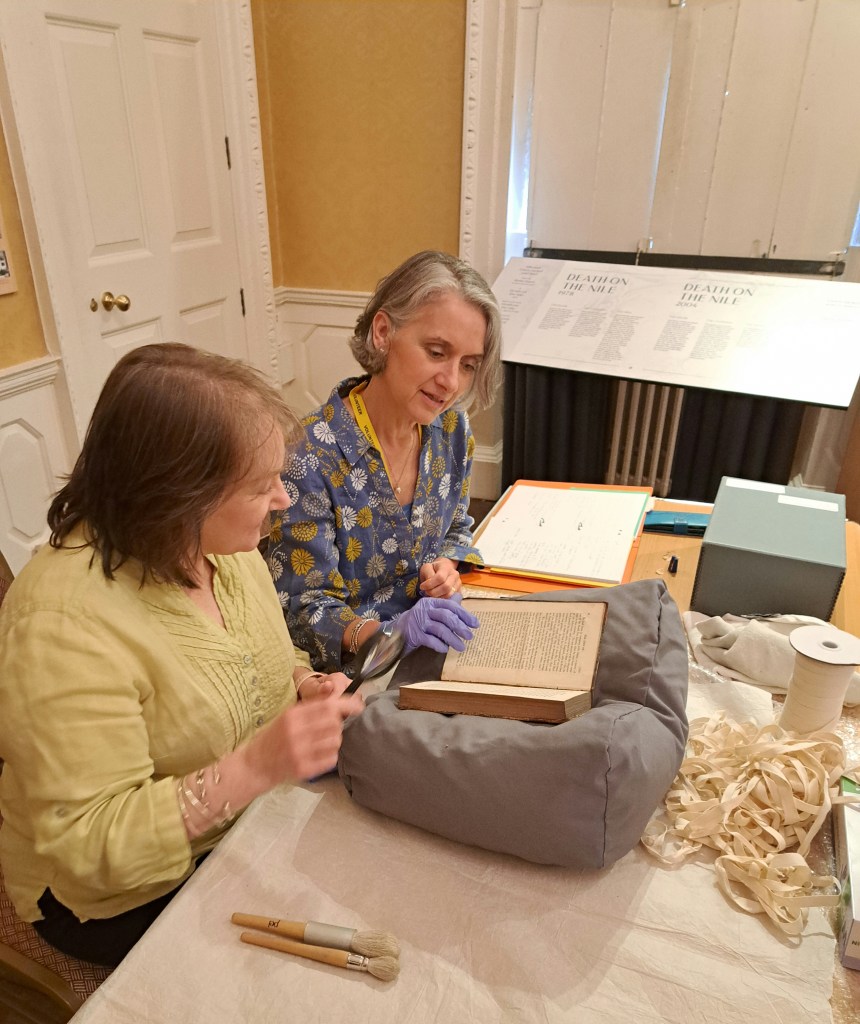
The Library books listing and cleaning project started at the end of last year after the volunteers received appropriate training for the handling and cleaning of the books. They were also trained to identify any damage or pest infestation. Currently, five volunteers are working on listing the library books on a weekly basis when the museum is closed to members of the public. They make notes about the books’ locations, conditions, titles, authors, publishers, dates and books plates. Through this project, we also became aware of the “Poison Book Project” Home | Poison Book Project (udel.edu).
Aims of Project
The aim of this project undertaken by volunteers is to find out what types and kind of books are in the collection, their condition, any potential hazardous material, and also identify any books that may require conservation work. The volunteers also help to clean the shelves of the bookcases. Once the volunteers have finished listing all the Library books, it will facilitate more diverse ways of searching for information. We are hoping that we will be able to complete this project work in 2024 allowing us to plan the next steps for the Library books collection.
Volunteers’ Thoughts
Volunteers Ken, Jackie and Lynda on cataloguing the library books:
“It’s enjoyable and it’s interesting to see what we can find out about them and is a change from our normal roles as volunteers [stewarding in gallery]. The oldest book we have come across so far dates from 1668 and there are many from the 1700’s onwards. We have catalogued books that are written in different languages, such as French, Italian, Latin and Hebrew. The subjects of the books are varied and mainly cover religion, politics, history, and the collected works of writers such as Shakespeare and Pope. Interestingly whilst handling and cleaning the books we have found, handwritten inscriptions, calculations, dedications, notes, signatures, doodles and in one book we found a ‘cheeky’ hand drawn postcard [boy doing a wee]! The books are in varying conditions, but all looked to have been read and loved over the generations.”
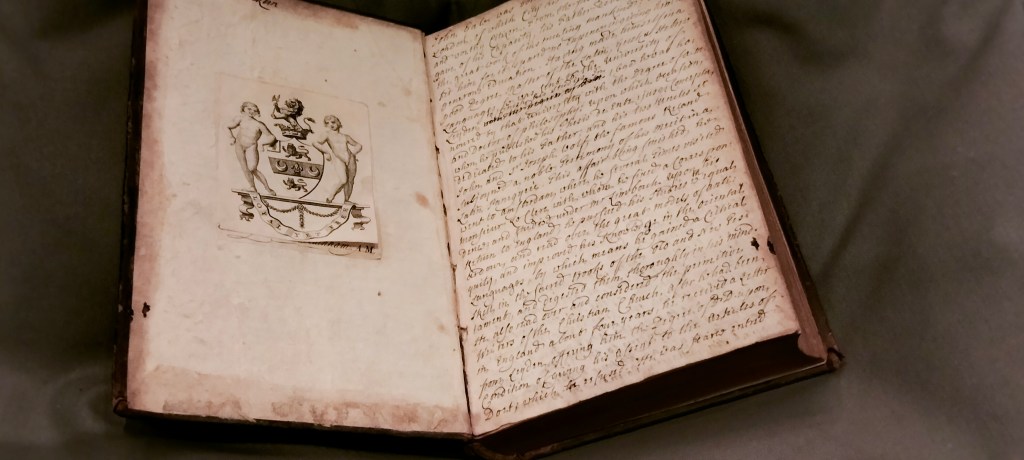
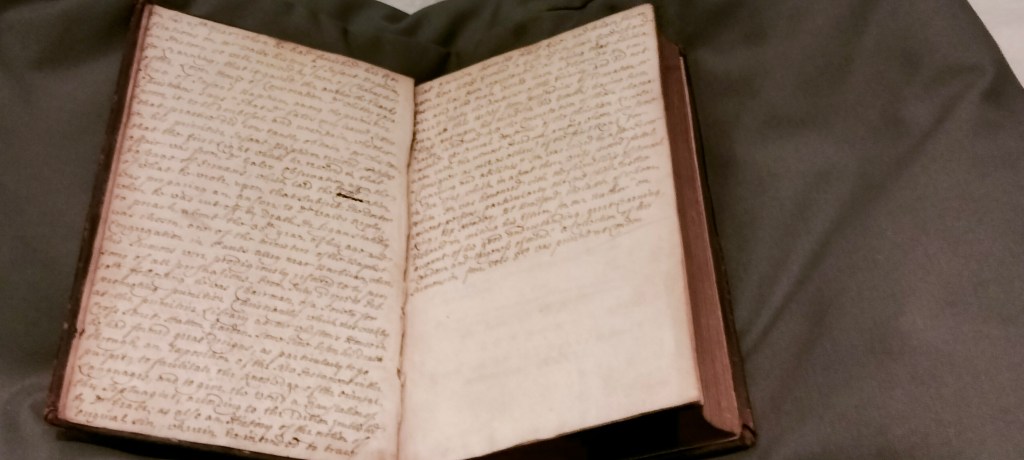
‘Reflect on Wall’s Infant Baptism’ – These two photos show handwritten biography of John Gale.

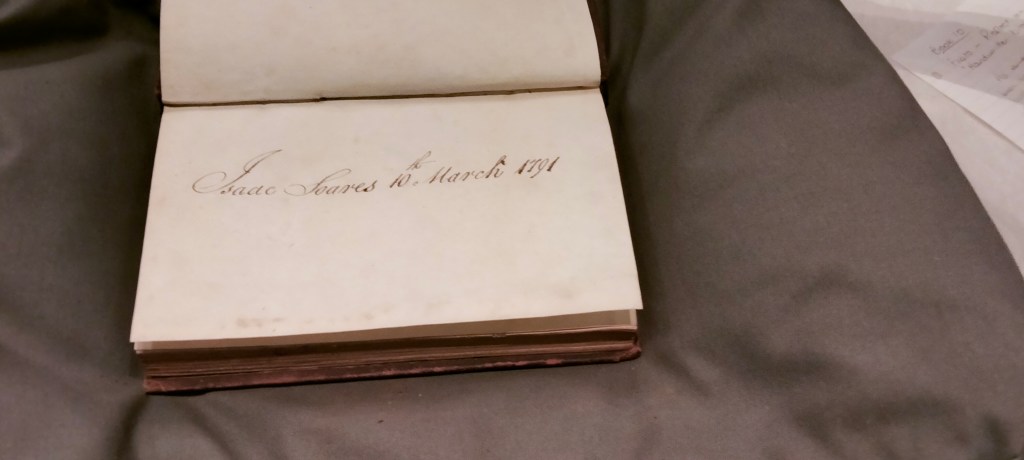
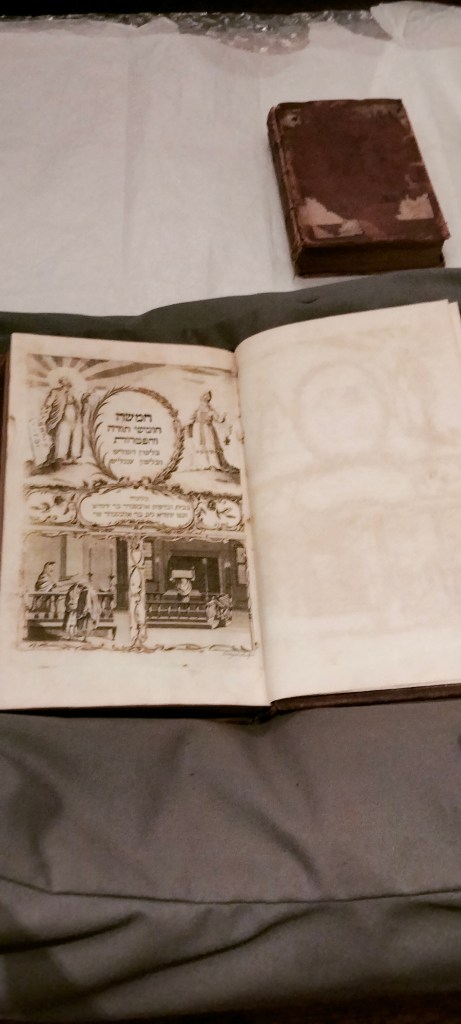
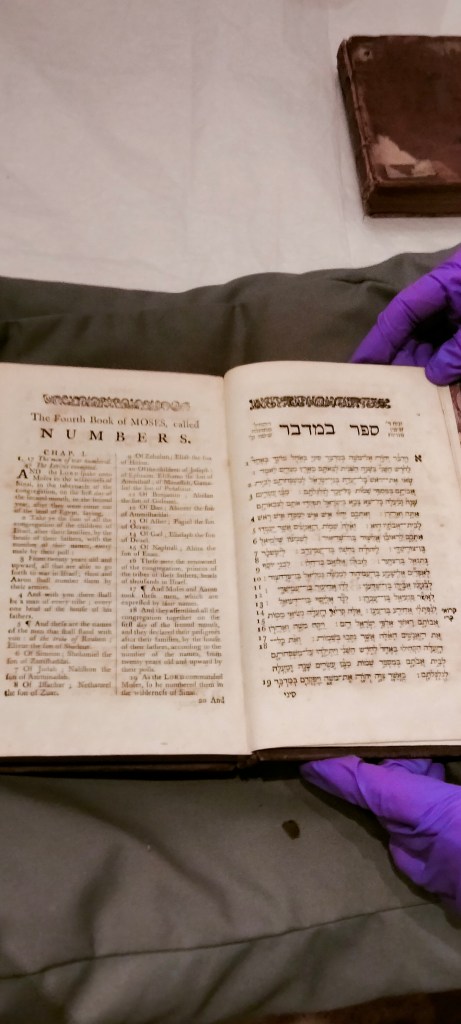
‘The Fourth book of Moses’ This book was written in English and Hebrew. Pages were arranged to be read from the back to the front of the book. The photos depict: illustrations of scenes from a synagogue; hand written ? signature of the owner and a date; the title page; first page in English and Hebrew
Volunteer Ruth on cataloguing the library books:
“Ah, the process of cataloguing books – it’s like an archaeological dig through literary history. There’s something profoundly satisfying about organising these treasures, ensuring they are accessible to future generations… and maybe finding a first edition of a precious book!
Sure, there are moments when the sheer number of books makes my head spin, and the Roman Numerals starts to feel like an ancient form of torture. But then, maybe I might stumble upon a forgotten classic or a beautifully illustrated edition of “Peter Pan” that takes me back to my childhood, and all is right with the world. Though I am not too keen on finding the footprints and nibbles of bookworms, which we do!”
Volunteering at Barnsley Museums
Interested in volunteering with us? Email museumvolunteering@barnsley.gov.uk and for more details visit our website
Read our other volunteering blogs:
Be the first to read future blogs by subscribing


 Barnsley Museums Blogsite