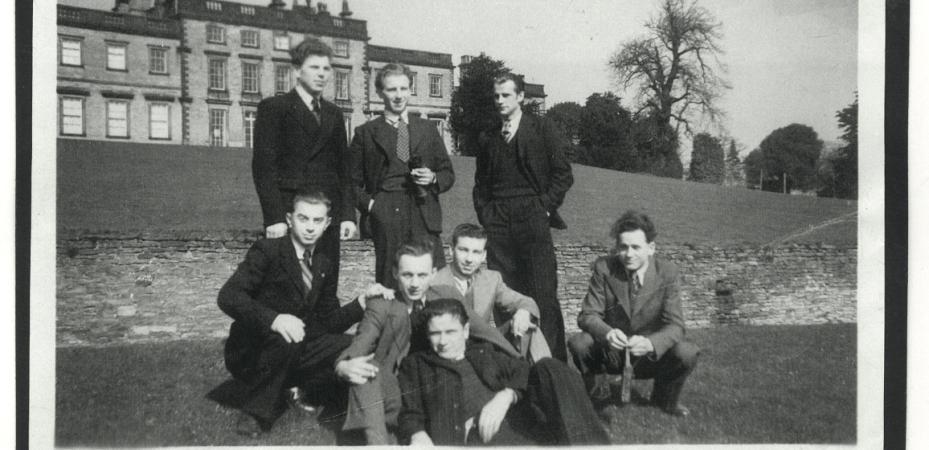
In summer 2024 we launched a new outdoor family friendly trail at Cannon Hall Museum, Park and Gardens which tells the story of Cannon Hall park which was requisitioned by the War Office during the Second World War and became the Cannon Hall Military Camp/Polish Resettlement Camp.
In this blog Sarah Taylor (Sector Specialist: Family Learning) explores some of the fascinating stories from the camp after researching its history from a number of albums held at the Cawthorne Victoria Jubilee Museum.
Cannon Hall at War
The Spencer Stanhope family lived at Cannon Hall during the Second World War. Living at the Cawthorne residence at the time was Margaret Elizabeth Ida Spencer Stanhope who was the first daughter to inherit Cannon Hall in its long history. She was known affectionally as Miss Betty at the time of the Second World War she was living with her father, John and her son Simon.
Miss Betty worked hard to help the war effort, growing vegetables in the gardens, and helping work parties by sewing, knitting and fundraising.
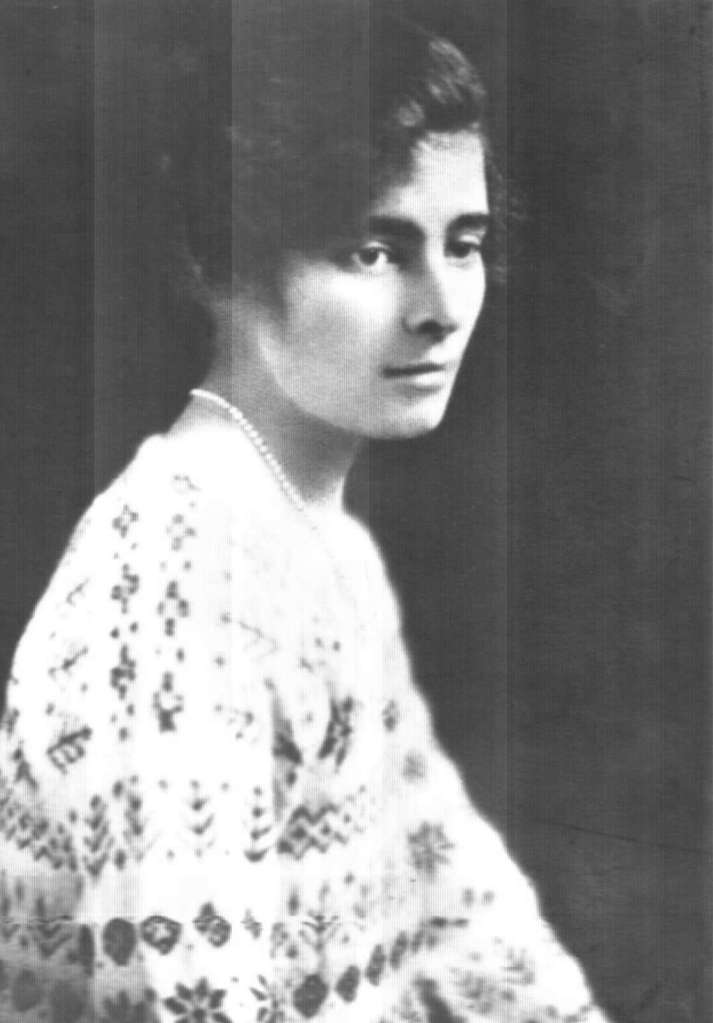
Photograph (c) Barnsley Archives and Local studies who hold the family and estate papers of the Spencer Stanhopes. Miss Betty was the final family member to own Cannon Hall before it was sold to Barnsley Corporation in 1951 and the decision was made to turn the building into a museum, which opened in 1957.
From 1940 a camp was set up for soldiers on the far side of the lake nearest Cawthorne Village.
To begin with British soldiers lived there, followed by Canadian troops and when they left Polish soldiers were moved in. After the war Polish civilians came to live at the camp with their young families.
Flying High
Did you know that Polish airmen played a vital role in the Battle of Britain? One sunny day at Cannon Hall during the Second World War a Polish airman decided to drop in and visit some friends stationed there. Picture everyone’s surprise when he flew overhead and landed among the green hills of Cannon Hall! He proceeded to offer rides to his friends over Cawthorne village. Imagine the excitement he caused! Sadly little is known about this mysterious airman.
During the war Cannon Hall played host to an army camp. Due to the secret nature of the missions that the troops were involved with no official records exist showing the plan of the Cannon Hall Camp.
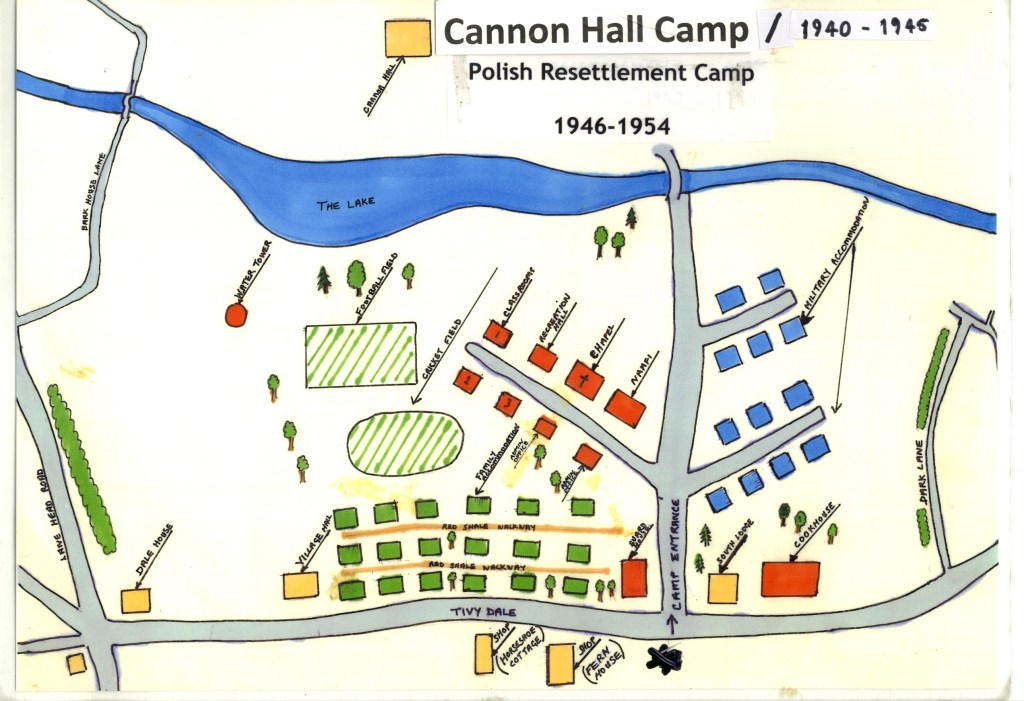
This map was drawn much later with help from former Polish soldier, Tony Sosna and Cawthorne Village residents. It shows what that pilot and his friends must have seen as they flew overhead that long ago summer’s day.
Wojtek the Bear
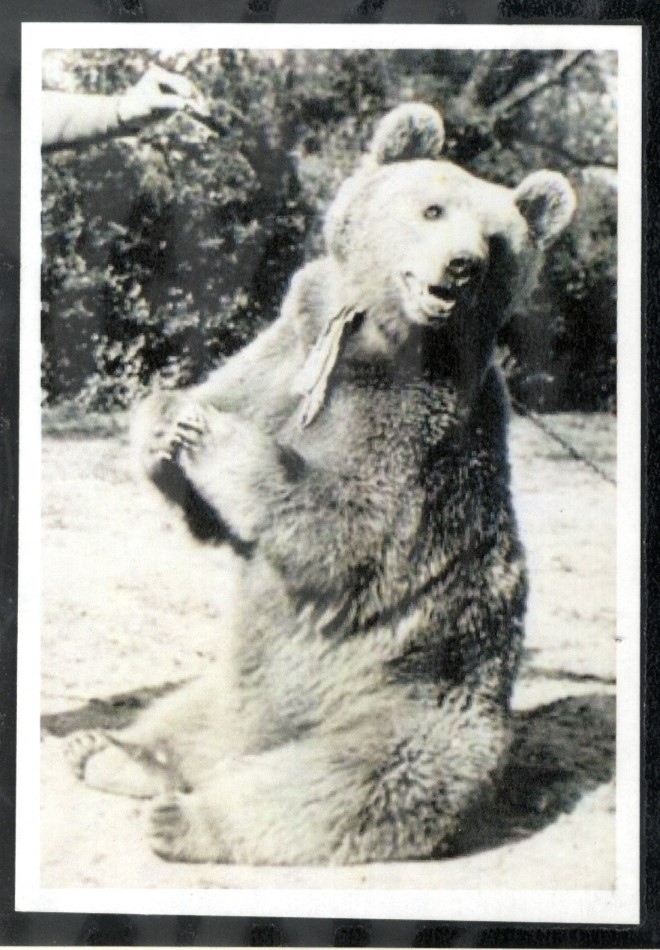
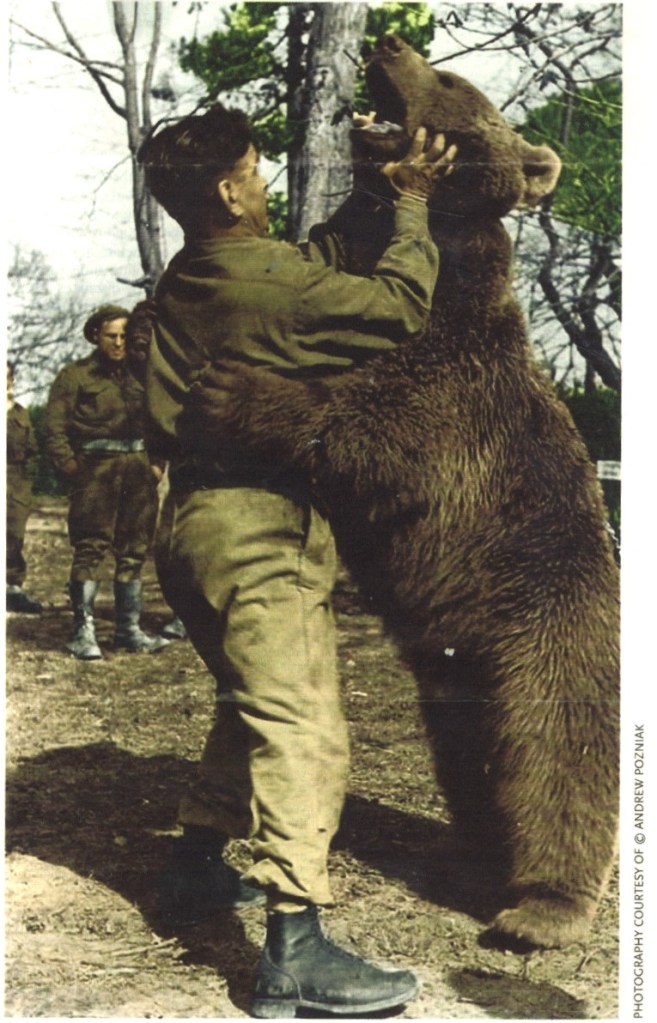
One of the most famous Polish soldiers in the Second World War wasn’t a human at all but a bear!
Wojtek was an orphaned bear cub who at first lived in a Polish refugee camp in Iran. He was named Wojtek by the soldiers, an old Slavic name which means “Happy Warrior”.
Wojtek was very popular with the soldiers he lived with and would drink beer, eat cigarettes and wrestle with his friends. He also slept with the soldiers, keeping them warm on cold nights. Wojtek even helped at the Battle of Monte Cassino by carrying heavy crates of artillery shells to help the soldiers.
Although Wojtek never lived at Cannon Hall, lots of the Polish soldiers who lived here had met and fought with Wojtek during the war.
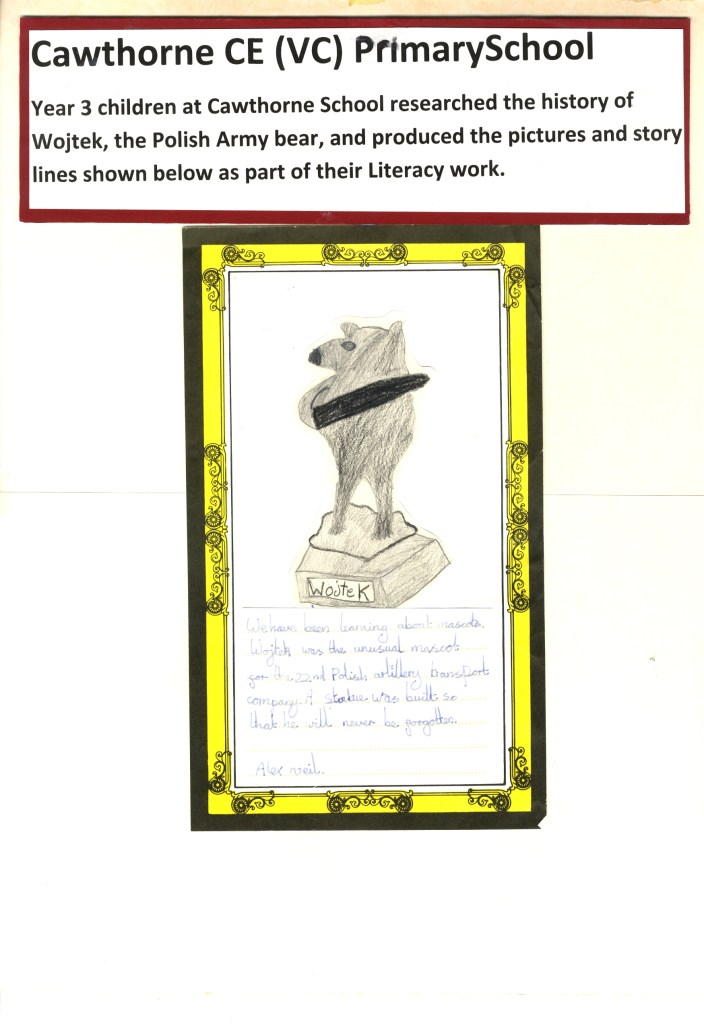
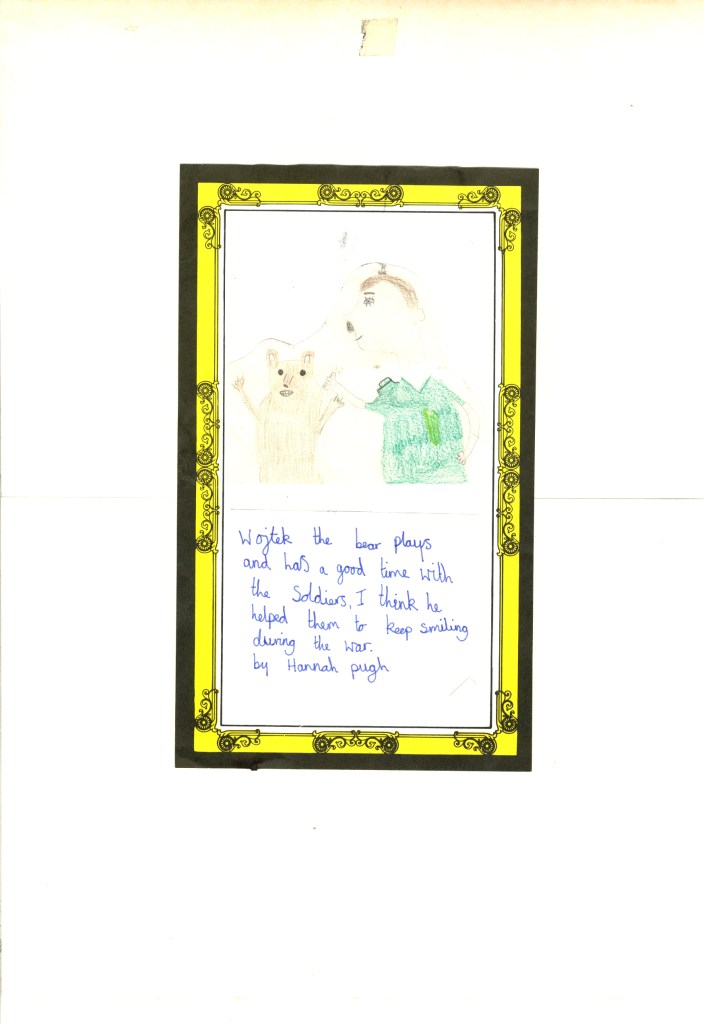
Most of the images featured in this article are from albums at Cawthorne Victoria Jubilee Museum which you can see when you visit. Alternatively Barnsley Archives have fully digitised versions. These two drawings are examples of work by children at Cawthorne Primary School
Tipsy milkmen and painted eggs
The families who lived at the Polish camp soon made friends amongst the locals. Eric Ellis was 10 years old when his dad was a milkman for the Polish camp. Eric fondly remembers how beautiful the traditional painted eggs were, and how at each house during the Easter delivery his dad was given a drink of very strong vodka. By the end of the milk round his dad was very merry indeed!
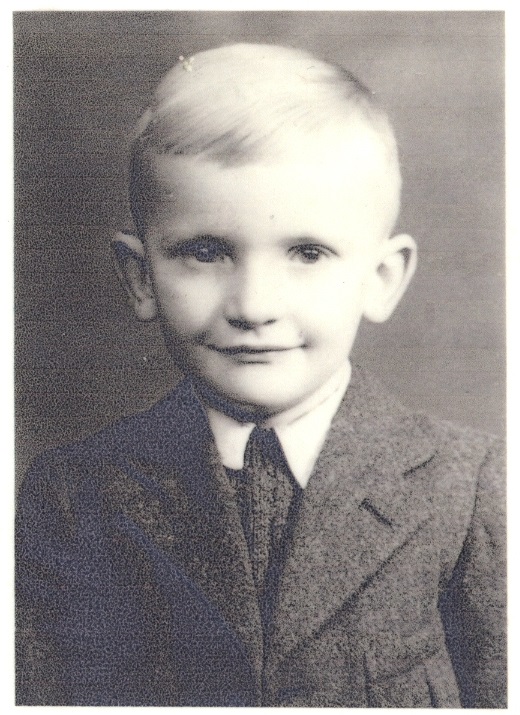
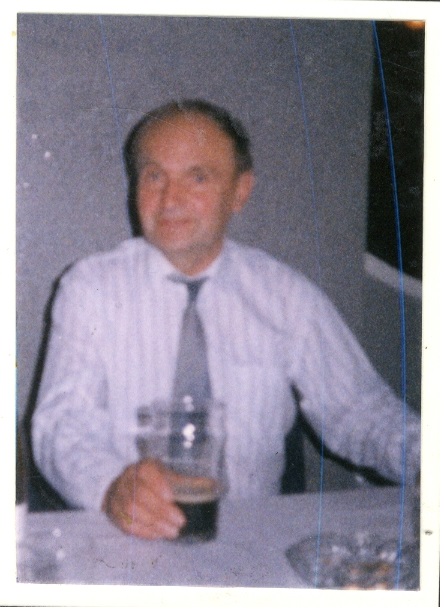
Photographs of Eric Ellis
Winter Wonderland
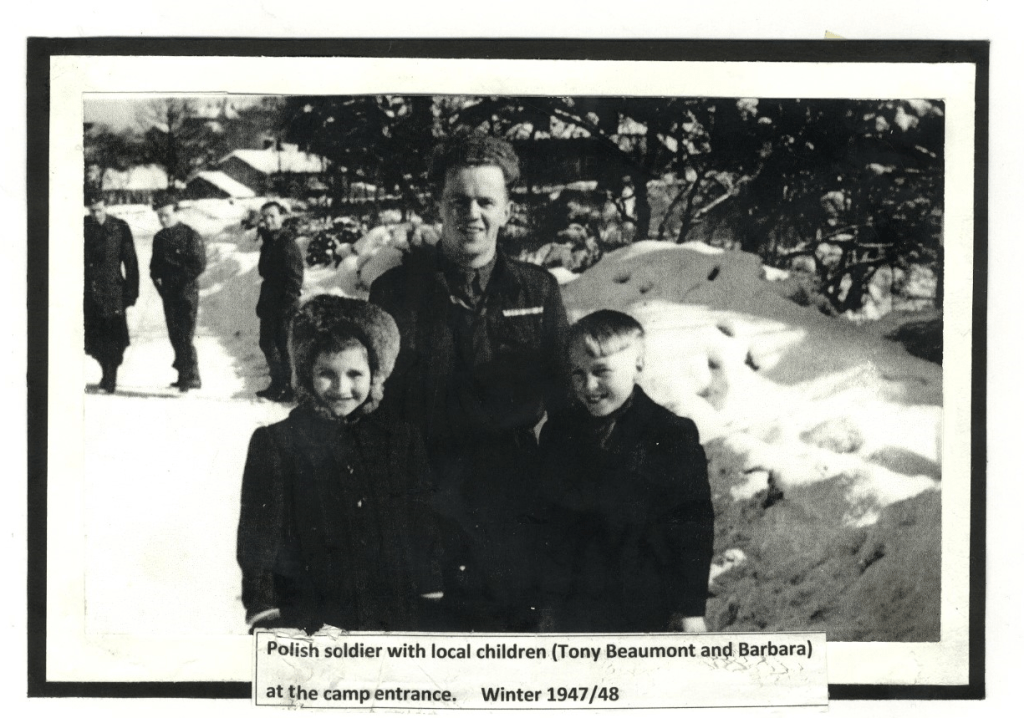
Winter 1947 was one of the coldest on record with snow falling somewhere in the UK every day between 22nd January and 17th March.
During this very severe winter, the lake at Cannon Hall froze solid and local children and the Polish soldiers enjoyed the skating opportunities it brought.
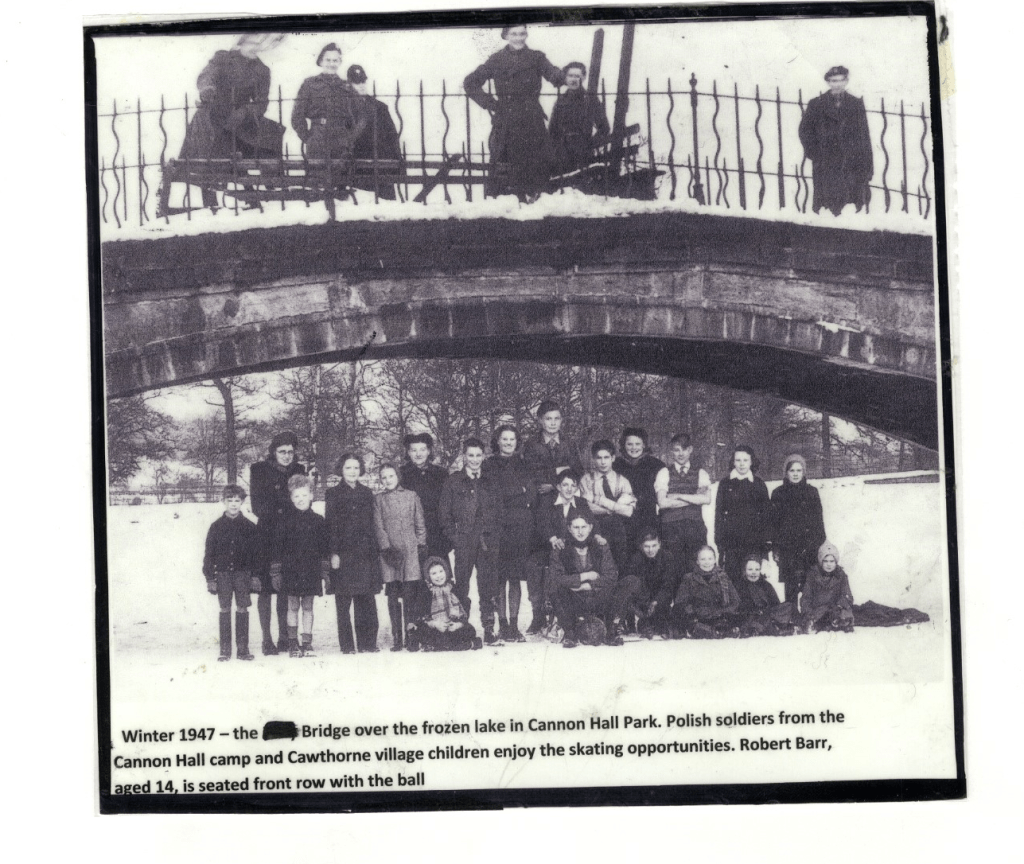
Robert Barr of Cinderhill Farm, Cawthorne, recalled the photograph, taken in the severe winter of 1947, of a group of Cawthorne children and a few adults, with Polish soldiers.
He wrote:
“This photograph brings back many memories of the winter of 1947, which was the coldest and longest in my memory. The depth of snow was measured in feet not inches with many drifts reaching up to the eaves of houses. The group of village children were playing on the frozen cascades sliding, some with sledges, and a few with ice skates. The skates were the wooden type which screwed to your boots and secured with a leather strap around the toes. The Polish soldiers on the bridge were stationed in the camp. They were friendly and liked to talk to us to improve their grasp of the English language. They told us they had harder winters in Poland with up to ten feet deep snow and sub zero temperatures, and often they could not leave their dwellings for weeks. Some of the Poles were skilfull skaters on rudimentary home-made ice skates, made by fixing a row of hob nail studs down the centre of the soles of their boots.” Robert Barr, 11th March 2013
Coming to Cannon Hall
In 1939 Germany and Russia invaded Poland. Thousands of Polish civilians were killed and families were forcibly transported in cattle trucks to Gulags and made to live and work in awful conditions.
Later in the war Russia and Britain made a pact and the Poles were able to leave the Gulags and travel on foot to refugee camps.
A new army was created called the Polish II Corps and these soldiers fought with the allies in North Africa, the Middle East and Italy. Some of these Polish soldiers came to live at the Cannon Hall Camp.
When the war ended Churchill said, “His Majesty’s Government will never forget the debt they owe to the Polish troops…I earnestly hope it will be possible for them to have citizenship and Freedom of the British Empire if they so desire.”
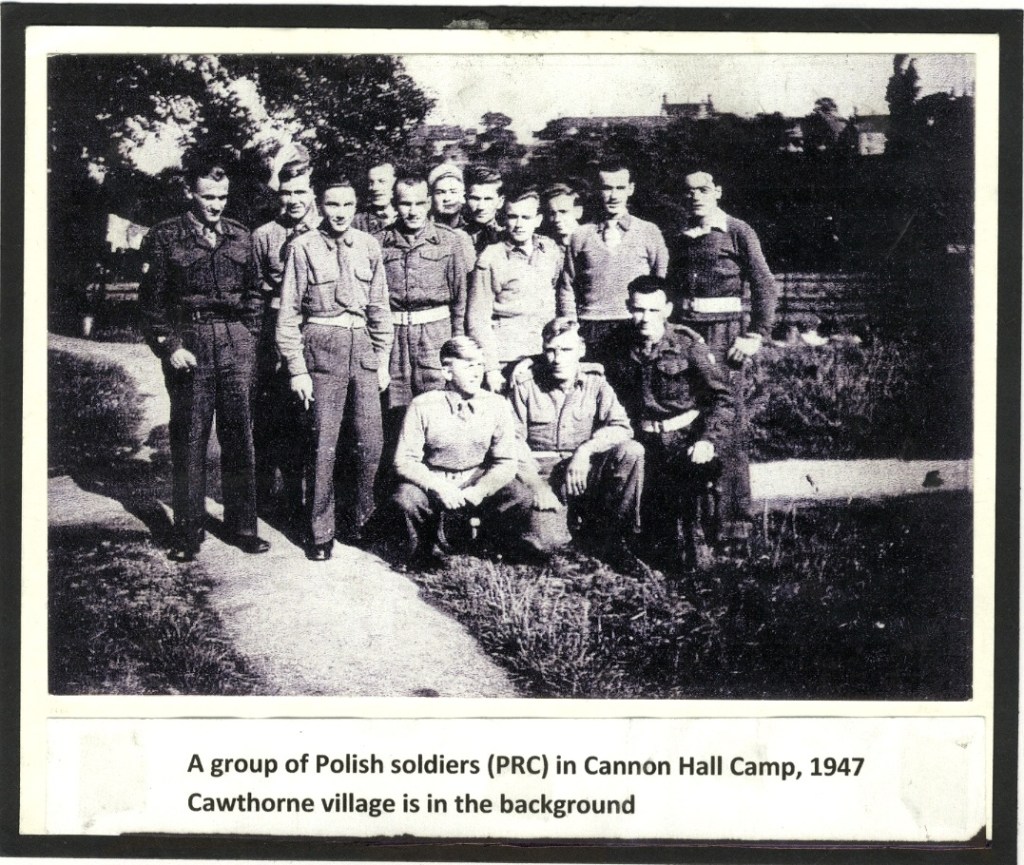
Some of the soldiers stayed at Cannon Hall, to be joined by their families and other Polish couples who wanted to settle in the UK also moved into the Cannon Hall camp. Imagine how these newcomers felt, when they first came to beautiful Cannon Hall after suffering such hardship.
Life in the Camp
After the war, the Cannon Hall Camp was run by the Polish Resettlement Corps and offered further education and job training to the troops who lived there so they could enter British civilian life.
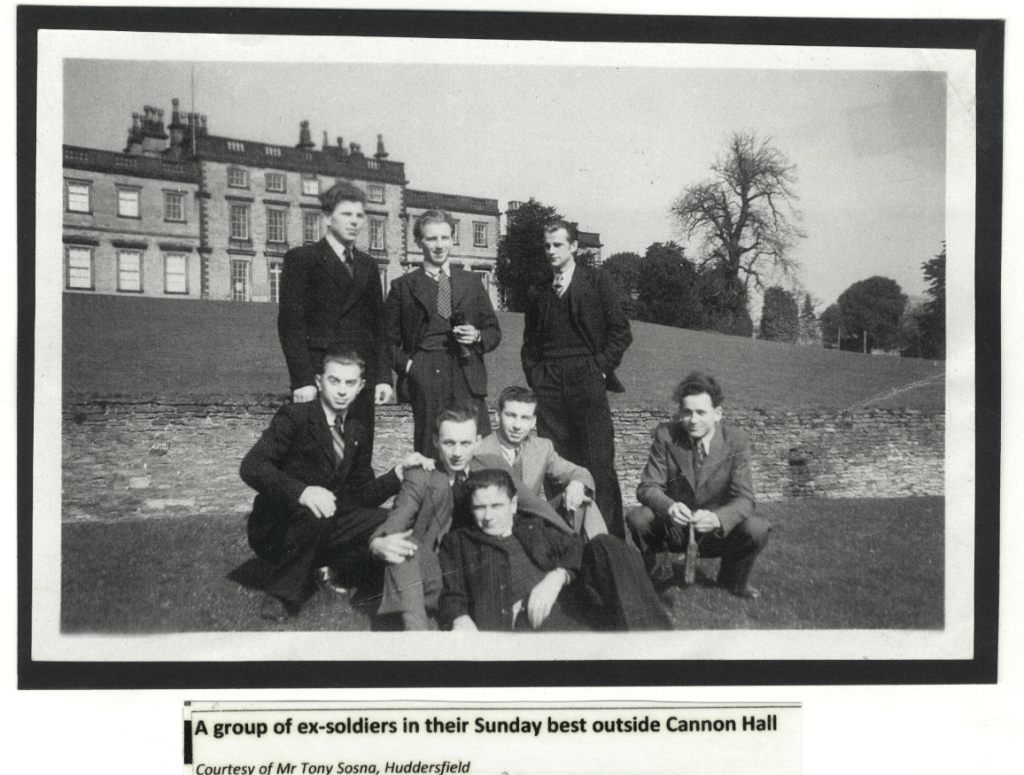
From 1948 the Camp converted to civilian use for young Polish families. After the hardships of war, the camp was hopefully a much happier place. All types of social and leisure activities were available for the residents and their visitors including table tennis, football tournaments, chess, ballroom dancing lessons and weekend dances with live music.
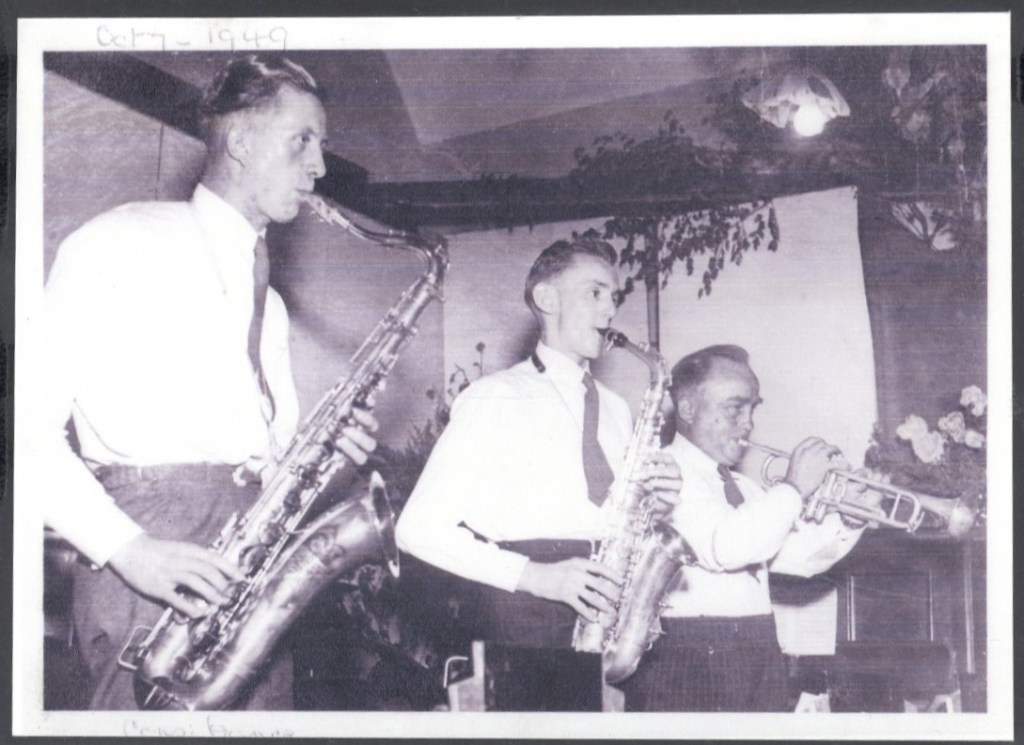
The Red Flash Band were regulars at the weekend dances.
There was a football pitch and cricket field situated at the top of the hill.
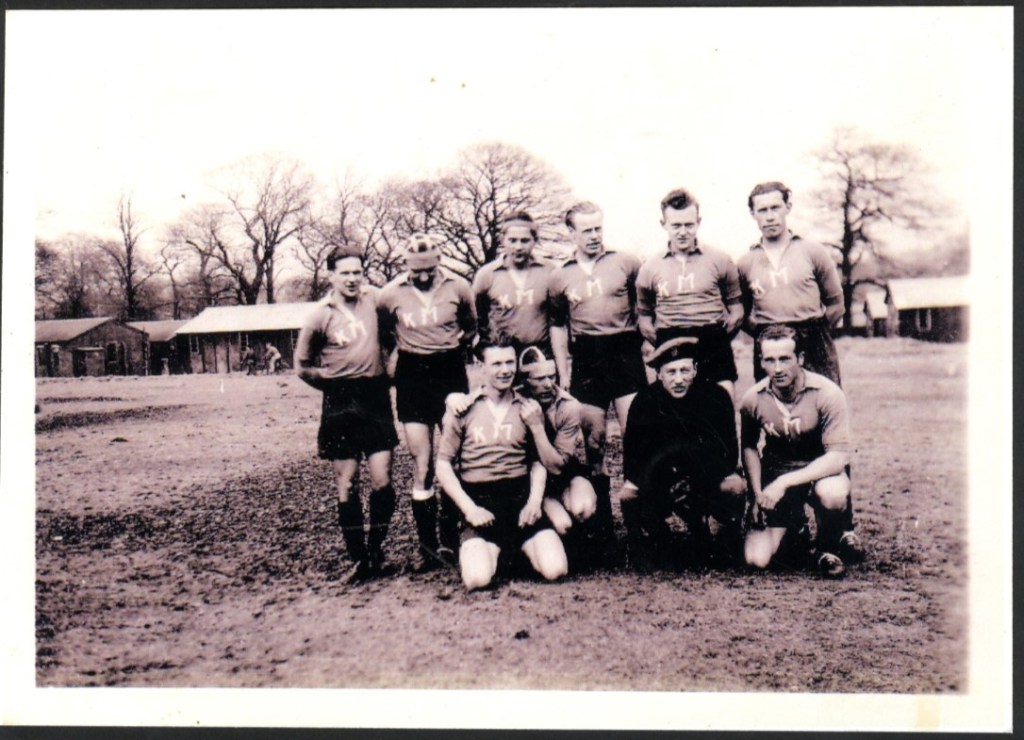
The football team, known as Silesia (after a region of Poland), was formed in 1947 and was especially known for its skill, playing in the Barnsley League and reputedly never losing. Rumour has it that at least one or two of the players had played football for Poland internationally before the war.
Home Sweet Home
Built as temporary army huts, Cannon Hall camp became something quite special during its “Polish era”. The community who lived there brought with them their skills and the enthusiasm to make their huts into homes and build new lives for themselves. Visitors remember cosy living spaces with windows hung with richly embroidered curtains and a vibrant and determined community.
The families who lived at the camp worked hard and found employment, often in local mines, steel works or textile factories or took the opportunity to study. Bachelors met local girls and married into Barnsley families and settled down.
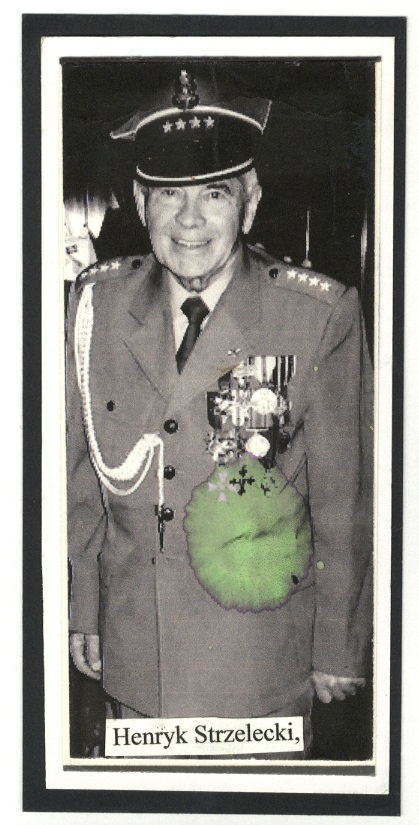
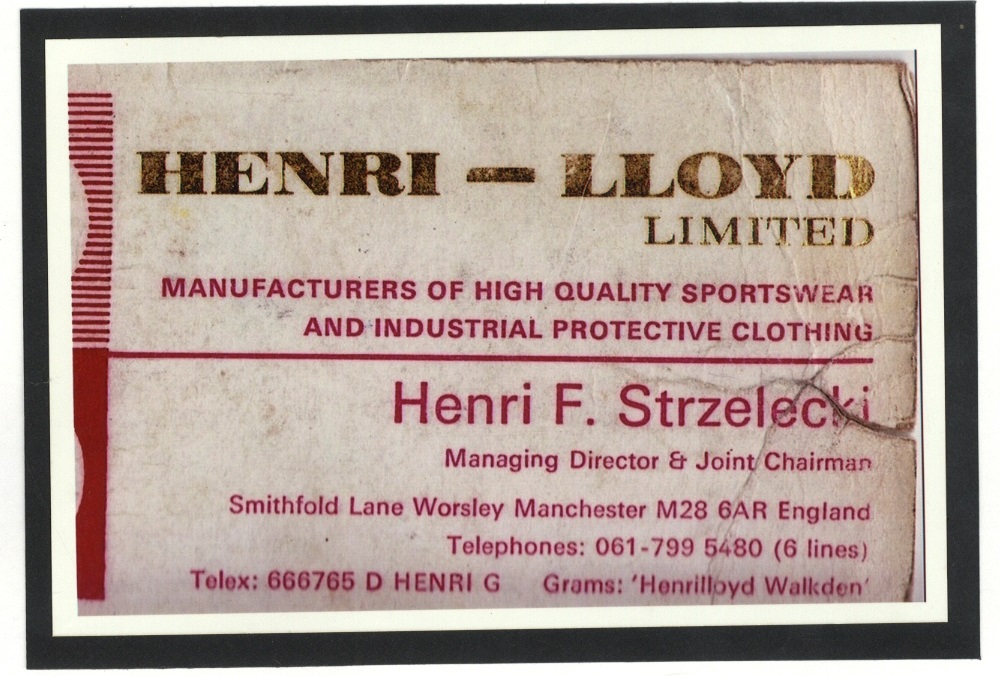
Henryk Strzelecki was one success story of many, taking the opportunity to study a Textile Diploma in Bradford, Henryk went on to set up Henry Lloyd Ltd with friend Angus Lloyd, this was an international success, developing high quality sportswear and is still a highly regarded brand today.
By 1949 the Polish Resettlement Corps was disbanded, the Cannon Hall Camp finally closed in 1952 and the land returned to the Spencer Stanhope Estate. The camp was demolished and the site used for open cast mining.
Tales of The Polish Camp Trail
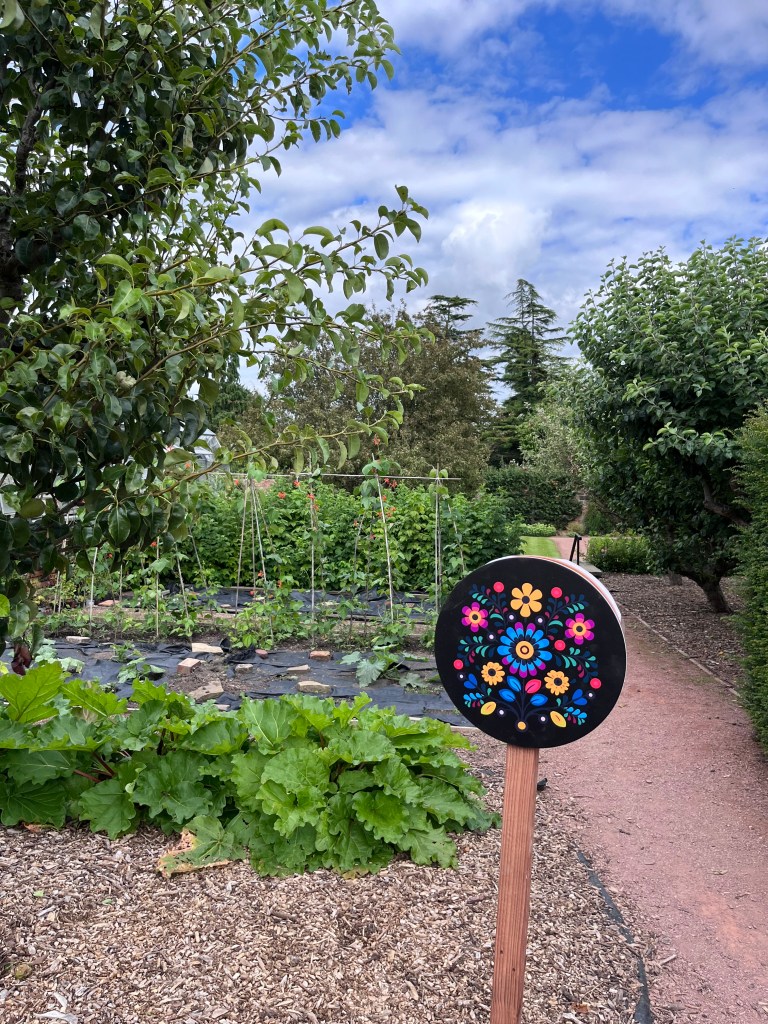

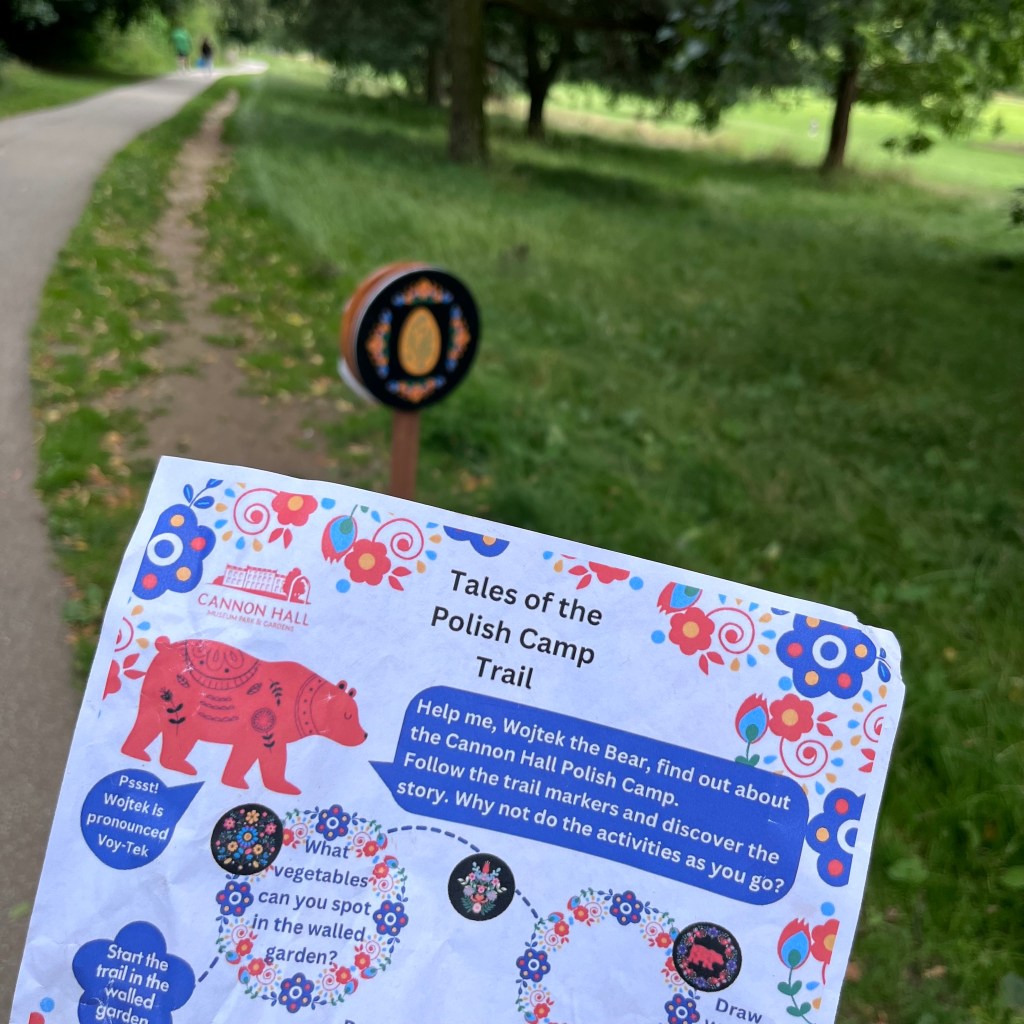
Take part in the trail the next time you visit the museum, collect a trail guide when you visit or download from our website.
Thank you to volunteers at Cawthorne Jubilee Museum for allowing us to borrow scrapbooks that enabled us to create the trail and this blog. The original albums can be viewed at Cawthorne Jubilee Museum and digital versions can be viewed in Barnsley Archives based in the town hall.
If you or your family lived at the Polish Camp we would love to hear your stories. Please email learning@barnsley.gov.uk
Have you read our recent blogs?

 Barnsley Museums Blogsite