
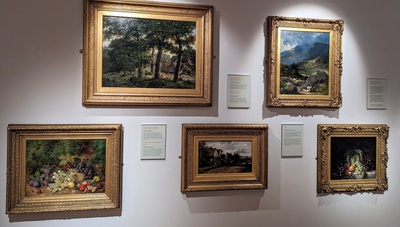
After decades of waiting patiently in store, five landscape and still life paintings now on display have undergone extensive conservation treatment to reveal vibrant colours and beautiful detail. They are part of a collection of paintings brought together by James and Jane Fox and gifted by their children to the Cooper Gallery in 1934. Natalie Murray (Collections and Exhibition Manager) reveals more about these pieces of art.
James and Jane Fox
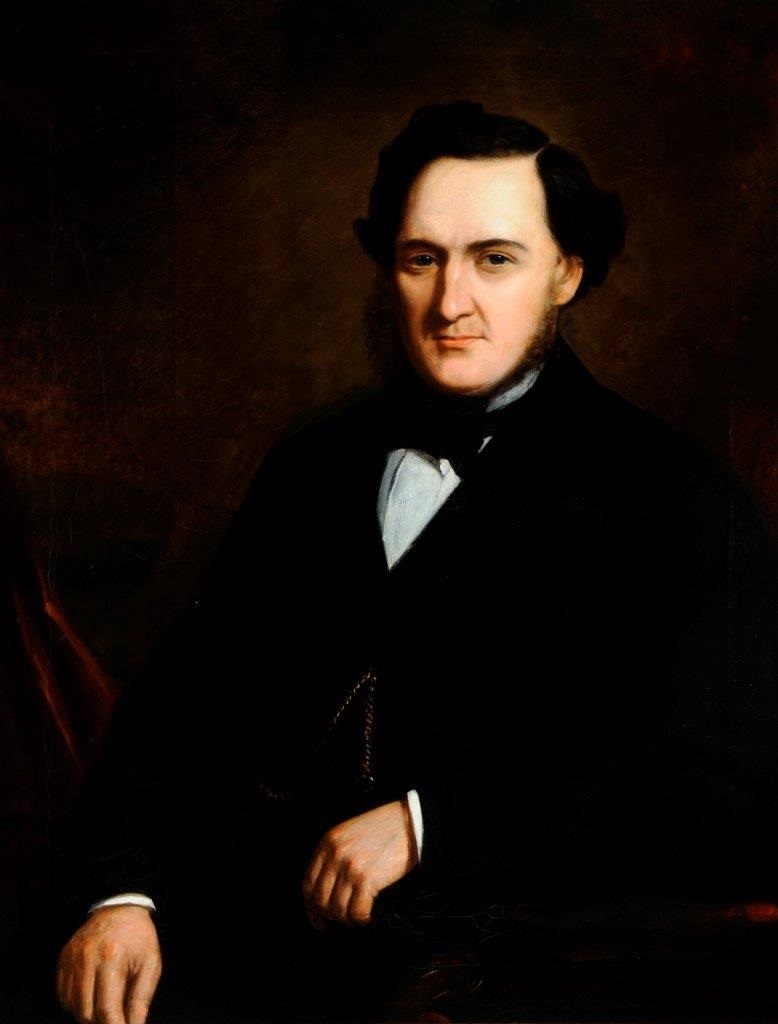
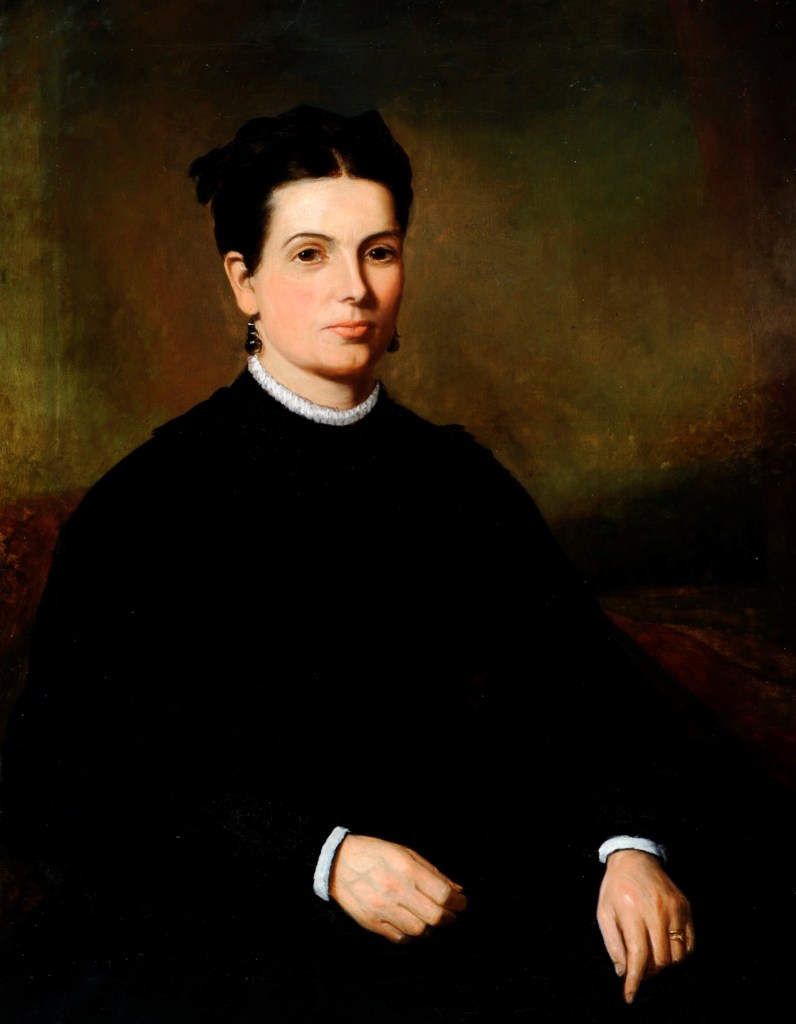
Portraits of James and Jane Fox attributed to Charles Henry Cook
The paintings bought by James Fox and his wife, Jane, tell a fascinating story of Victorian taste. Although the artists represented are less well known now, they were well respected in their time and most exhibited at the Royal Academy on a regular basis.
James Fox was born and spent his early years at the Windmill Inn on Shambles Street, Barnsley. His father Thomas was first a miner, then took over the tenancy of the Windmill Inn and apprenticed his son to a chemist in Barnsley. James later established himself in the brewing business. He married Jane before 1861 and they had many children together, of whom four survived to adulthood.
In about 1870 James Fox bought a plot of land on Regent Street and built the Queen’s Hotel, which he opened around 1873. It is clear that many of the paintings owned by Fox were displayed in the hotel for the benefit of the customers. The building can still be seen at the bottom of Regent Street, opposite the railway station.
The list of pictures belonging to the ‘late Jas. Fox Esqr’ indicates a total of eighty-seven paintings. Many of these were landscape paintings by British artists or those working in the British landscape tradition, including J. B. Ladbrooke, F. W. Watts, Ralph Stubbs and J. C. Bell. There are also a few continental artists represented in the collection, including Louis Thienon.
The majority of the works date from the 1830s through to the 1870s. Many of the artists chosen by Fox had exhibited at the Royal Academy or the Society of British Artists in the second half of the nineteenth century. Fox bought from contemporary artists but the majority of his choices would not have been seen as controversial or financially extravagant at the time.
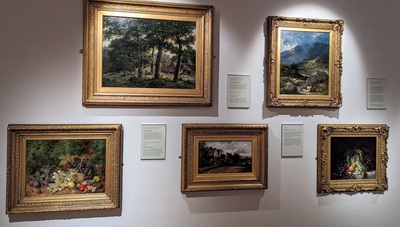
As part of the delicate and complex conservation project five paintings have been treated by Critchlow & Kukkonen, who removed layers of surface dirt and old varnish, and by Mike Howden, who conserved the frames.
The work has been funded by the Trustees of the Cooper Gallery through the legacy of Mrs Audrey Norfolk Clark, by Mr Bill Newman in memory of his wife Pat Newman and by the Shaw Lands Trust.
Yorkshire Moorland near Whitby, mid-19th century
Thomas Joseph Banks (1828 – 1896)
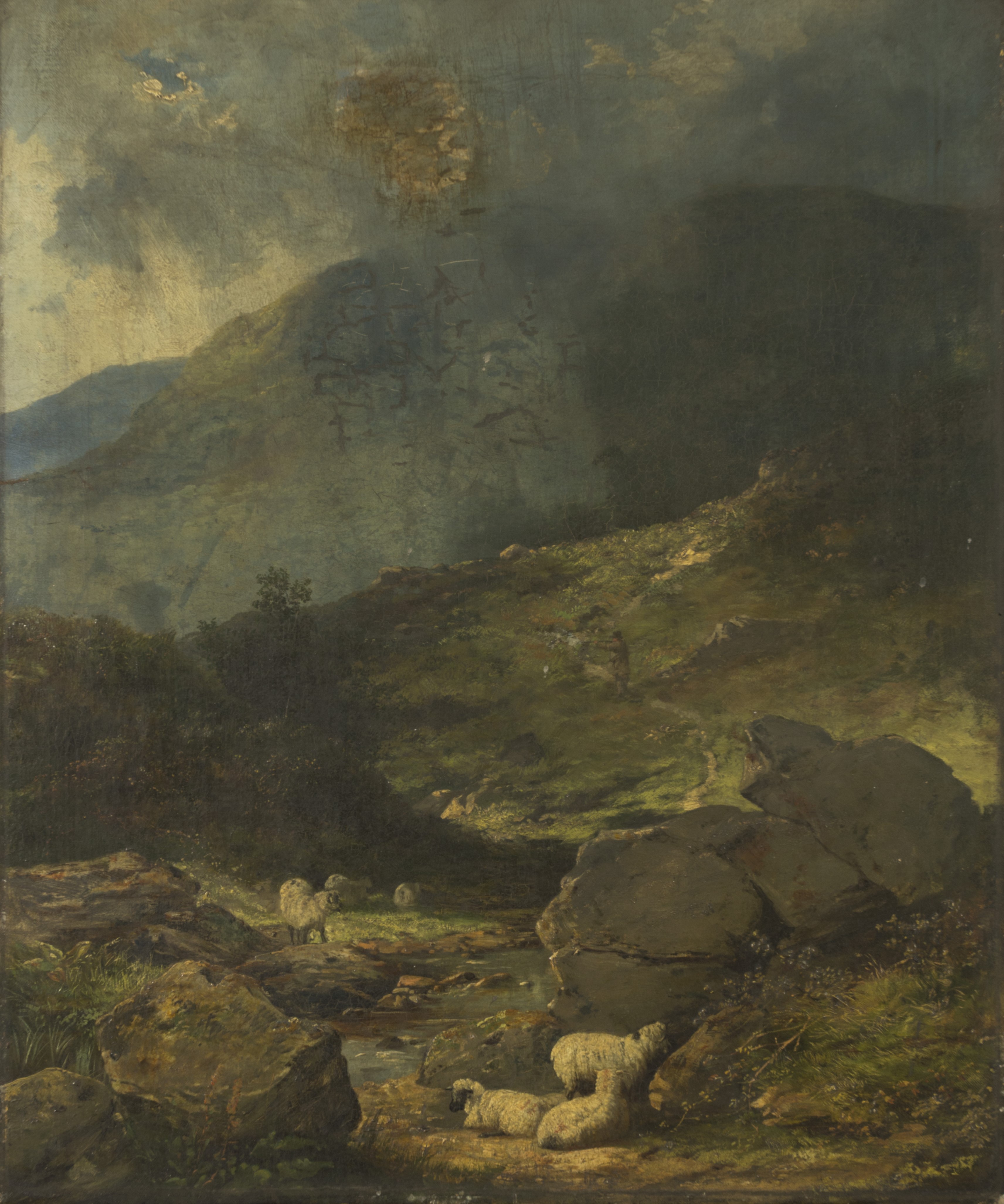
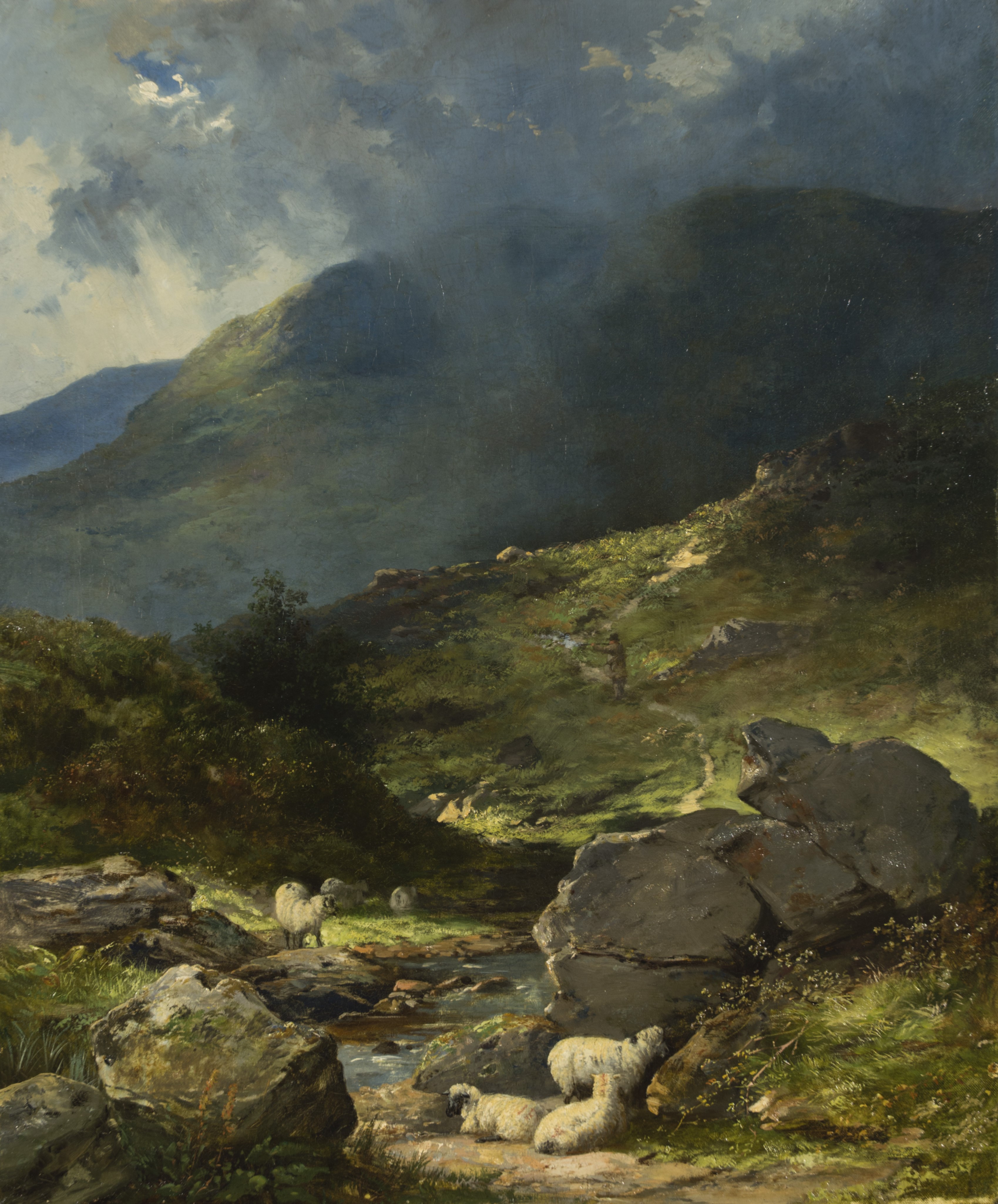
Born in Tadcaster, Banks was a notable portrait and landscape painter. This artwork shows his excellent use of light and shade to create atmosphere and his use of earthy colours. Banks studied at the York School of Design and the Royal Academy.
He later moved to Goathland near Whitby and the surviving examples of his work include several Yorkshire landscapes.
Banks’s father, also called Thomas, was a wood turner in Tadcaster. After attending the York School of Design to study art, Banks became a student at the Royal Academy in 1853. He exhibited four times at the Royal Academy and at The British Institution between 1861 and 1868 and also at the Royal Society of British Artists from 1860 to 1880.
Banks married Annie Baines (1828 – 1894) at the Parish Church of St Olave in York in 1855 and they had a son together, Claude Hamilton Banks. Annie was the third daughter of Henry Baines, gardener and sub-curator at the Yorkshire Museum, York. A portrait of Henry Baines by Banks is in the collection at York Museums Trust.
Obituary in The Yorkshire Herald, 11 July 1896
“We have to record the death of Mr Thomas Joseph Banks, the well-known landscape artist, which occurred at his residence, Goathland, near Whitby, at the age of 68. The deceased was born at Tadcaster, and had attained considerable eminence in his profession, which he had practised with success for nearly 40 years. Mr Banks greatly excelled in painting the moorland streams, heather-clad hills, and other picturesque scenery of his native county.”
Wooded Landscape with a Farm, mid to late 19th century Joseph Bernardi (1826-1907)
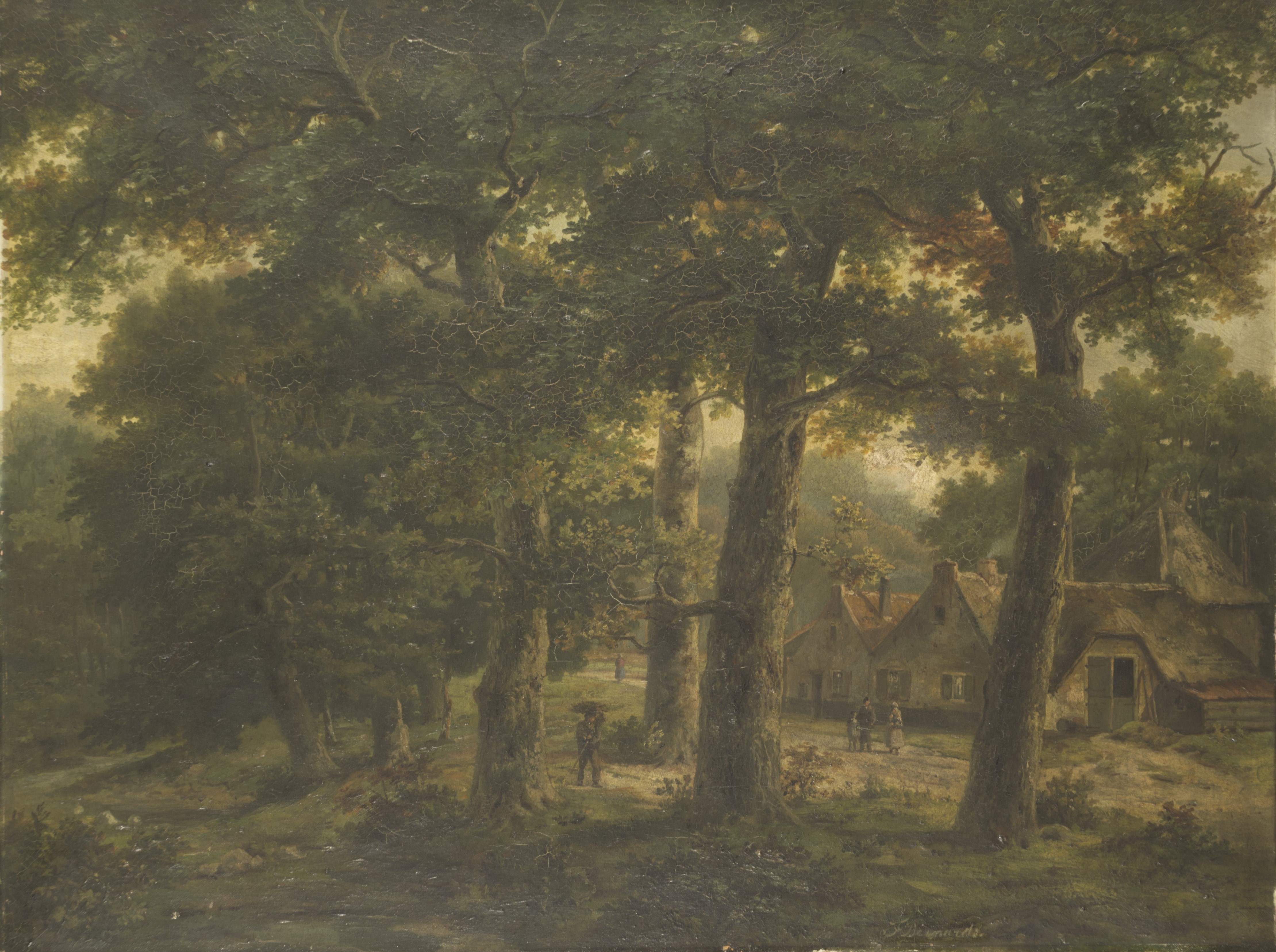
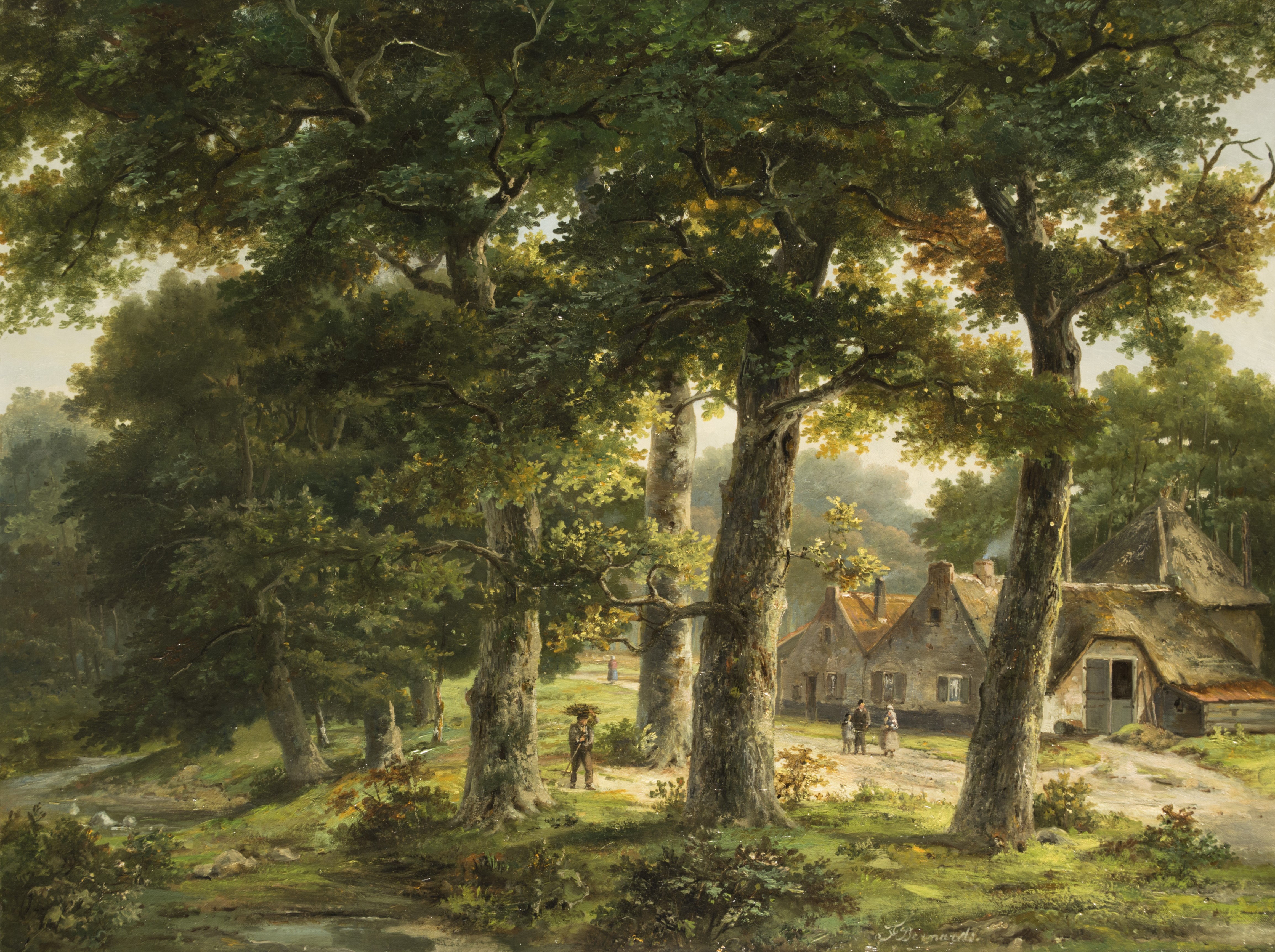
Bernardi was born and lived in Düsseldorf, in the west of Germany on the River Rhine. He was a landscape painter of the Düsseldorf School, which refers to the period between 1819 and 1918 at the Academy of Art in the city. Bernardi attended the Academy between 1838 and 1846 and studied under Johann Wilhelm Schirmer (1807-1863) who had established the first landscape painting class there. By the mid-19th century, the Academy was the leading German institution for training artists and landscape painting became its most successful genre. An example of Schirmer’s work is also in the Cooper Gallery collection, collected by S J Cooper.
Bernardi was known for his scenes of dramatic mountains and peaceful countryside. He was interested in the effects of weather and changing light, the latter of which can be seen in the painting on display. The painting was previously attributed to the English landscape artist John Berney Ladbrooke (1803-1879) but closer examination prior to conservation showed that the signature was not Ladbrooke’s. There was also no other evidence to indicate that the painting was by him. Online research into the signature brought up Bernardi’s name and similar examples of his work. These landscapes show the same tones and compositions and in particular the same types of buildings as seen on the right-hand side of the painting on display.
What is not known yet is whether Fox thought he was buying a painting by Ladbrooke, or whether he knew it was by Bernardi and at some point an error was made in the paperwork. There are four other paintings by Ladbrooke in the collection gifted by the Fox Family.
Still Life with Fruit, mid to late 19th century
George Clare (1830-1890)
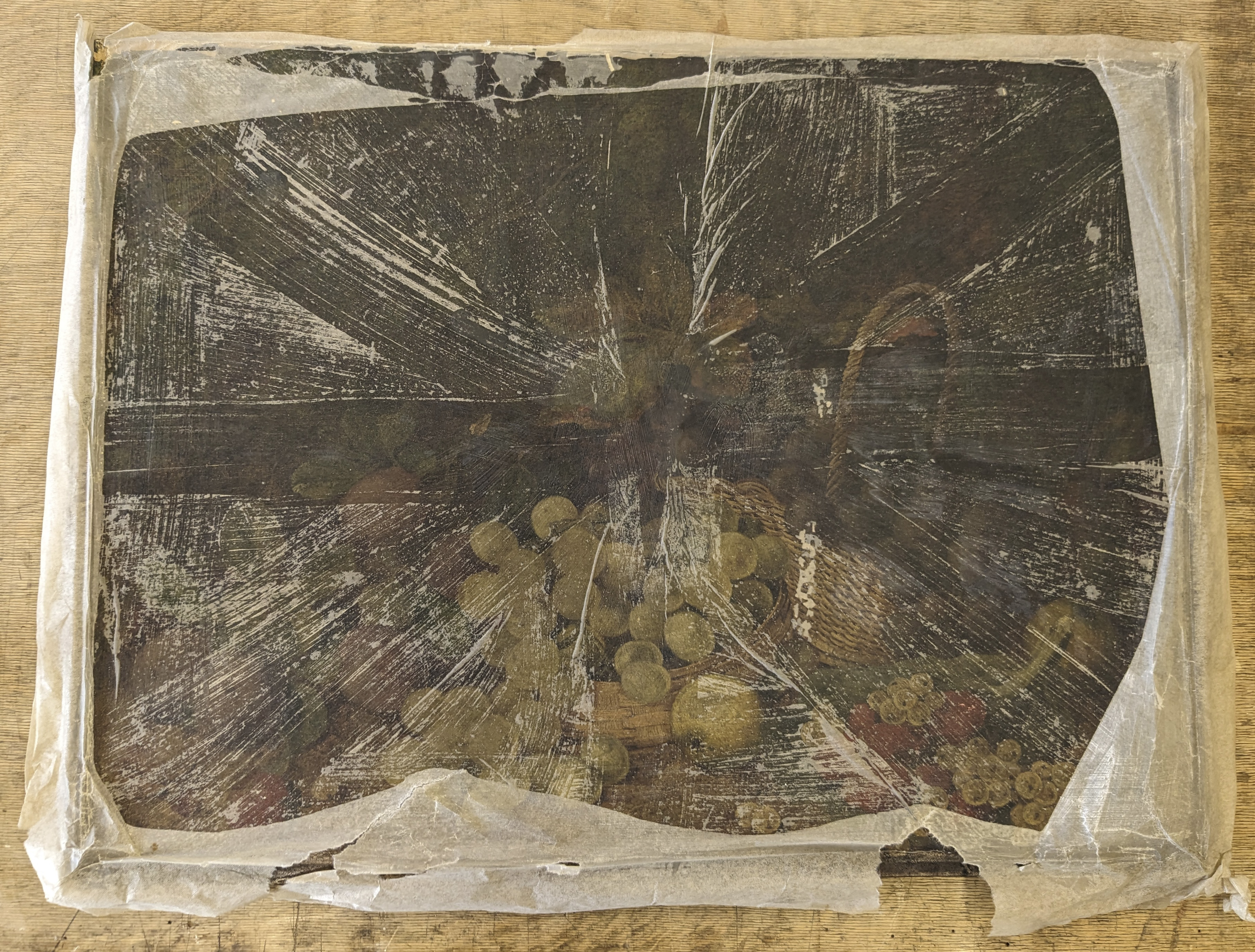
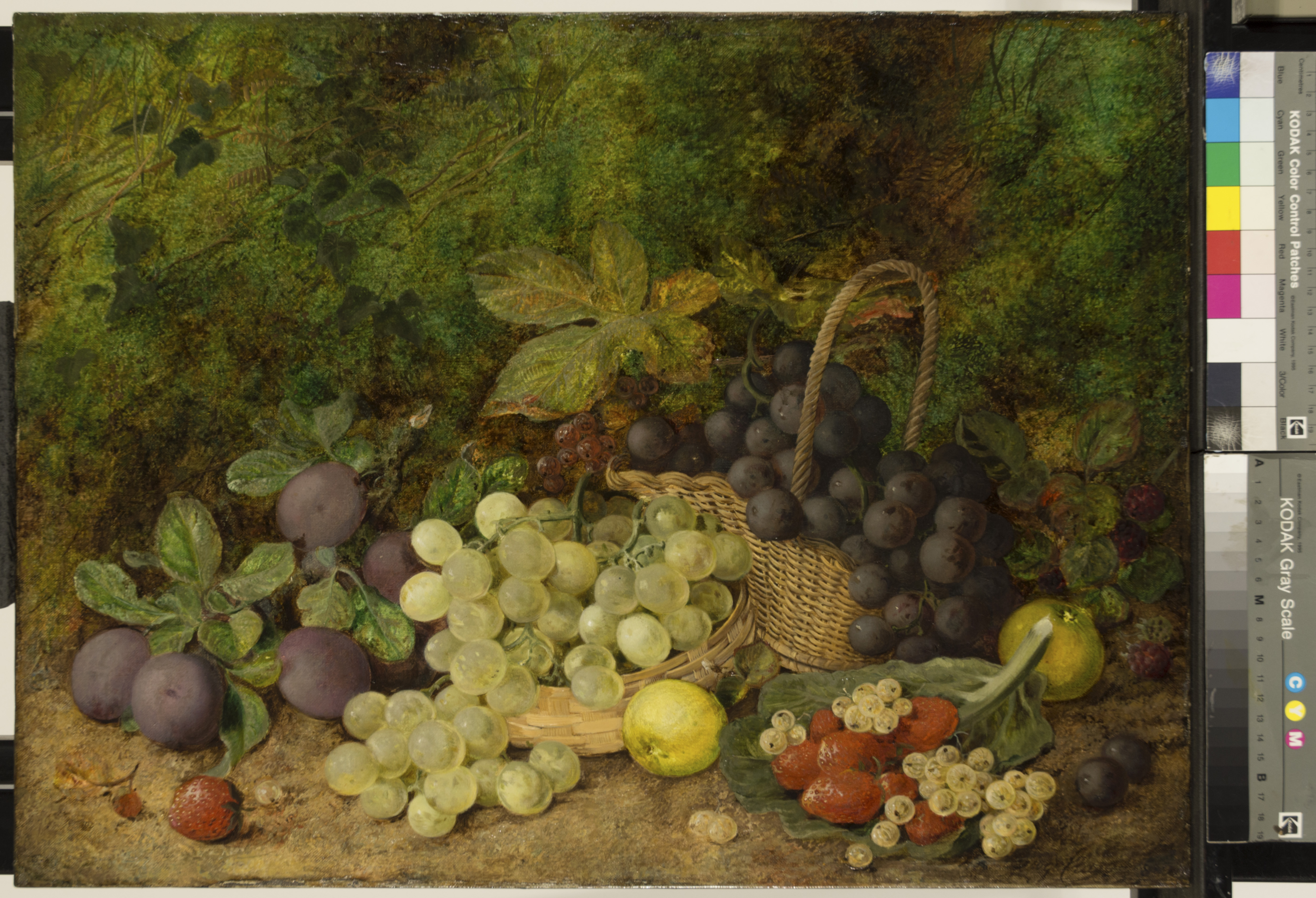
This is one of a pair of still life paintings in the Cooper Gallery collection, both created by George Clare. They are wonderful examples of the works he produced and exhibited, particularly during his most successful period in the 1860s. Lists of his exhibited works at the Royal Academy and other institutions show a firm commitment to paintings of fruit, with the occasional flower piece.
Clare was born and lived in Birmingham for most of his life. He married Elizabeth Bowen, a dressmaker, in 1852, and they had eight children. Clare taught at least two of his children to paint. Oliver and Vincent (born George) both went on to enjoy success as fruit and flower painters. By the 1880s, Clare, his wife and their three youngest children were living in Moretonhampstead, Devon. Clare passed away in 1890 in Barnet, London.
George, Oliver and Vincent Clare all produced richly coloured and highly detailed pictures. George Clare was described as an artist in his later years, but in his 20s he was a ‘japan painter’ or ‘japanner’. Japanning was a method of painting or lacquering furniture, metal or papier mâché to achieve a glossy finish. Originating in East Asia, the process was imitated in Britain from the late 1600s and the West Midlands became a centre for the craft in the 18th century. The skills developed as a japanner would have translated well for Clare in his still life painting. His style was quite decorative with fine detail and he created smooth surfaces in selected features of his paintings.
Fruit, 1857 Elizabeth Dawson, née Rumley (1827-1914)
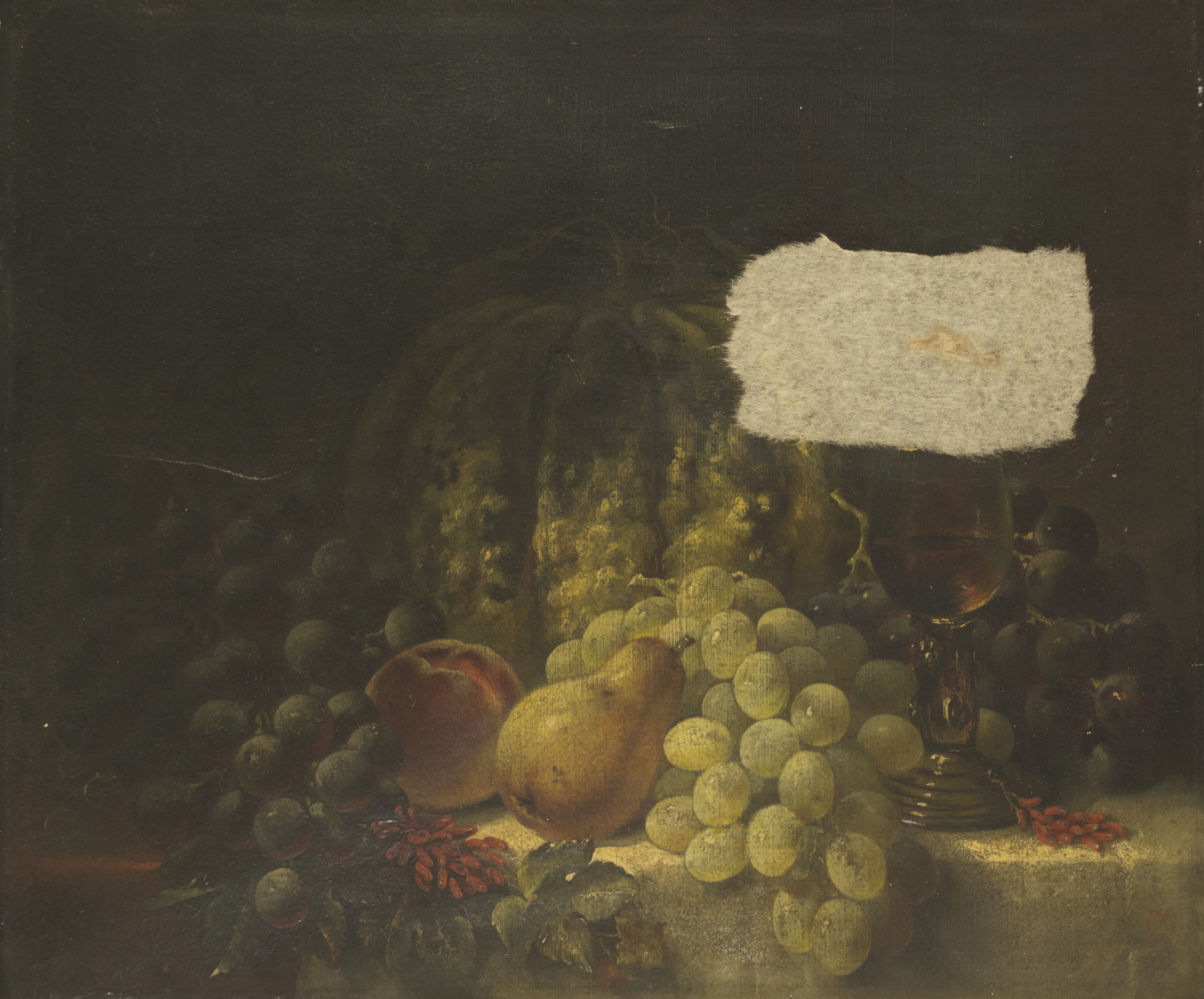
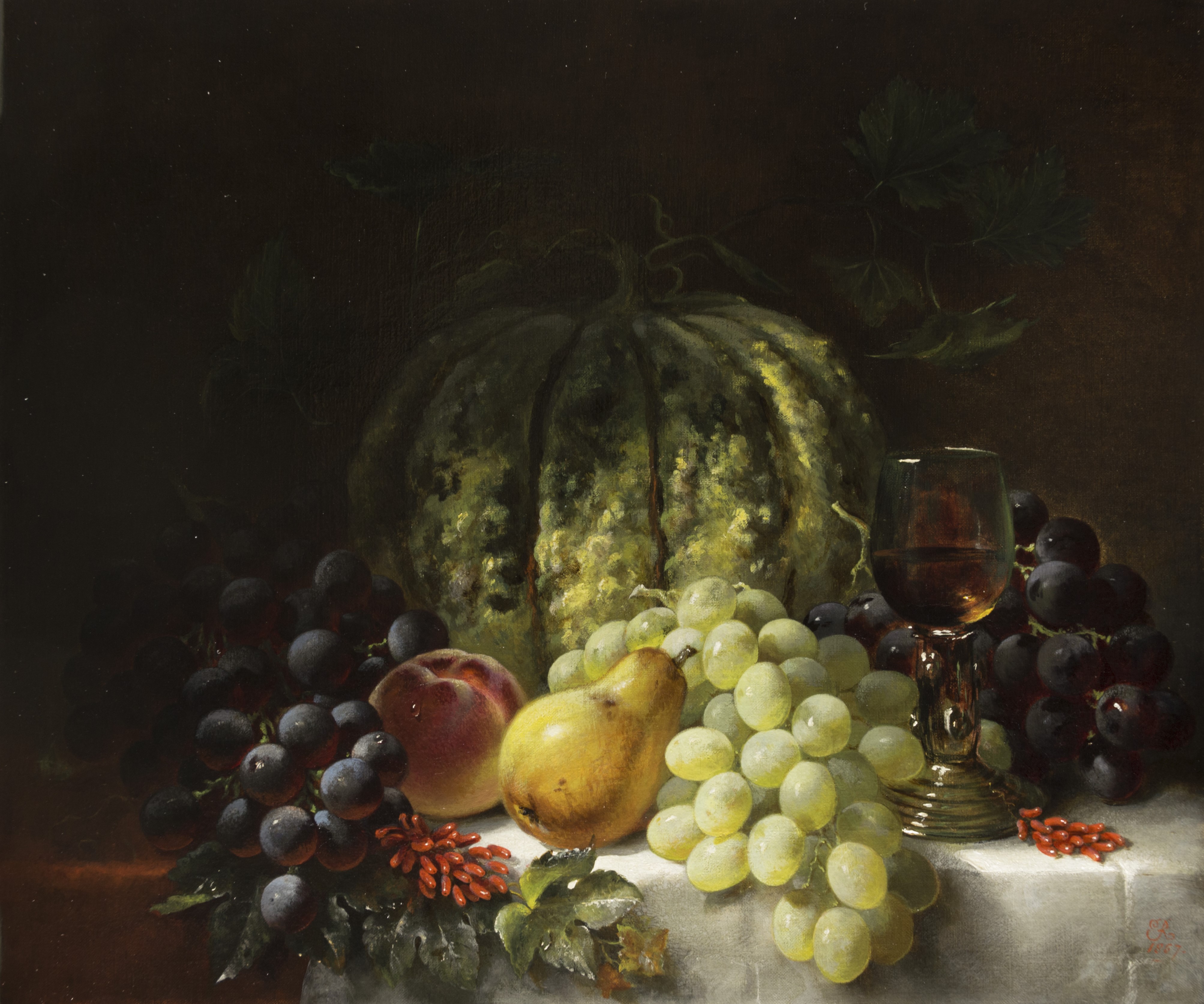
Dawson was born in Holborn, London and began exhibiting fruit and flower paintings under her maiden name from 1851. She successfully exhibited at The Royal Academy until 1858, which was also the year she married Benjamin Dawson, a schoolmaster. She continued to work and exhibit at the British Institution and the Royal Society for British Artists under her married name until 1863.
The 1861 census shows Dawson living near St Pancras with her husband and one year old son and she is listed as an artist in oil painting. By 1871, the couple are at the same address but with six children, an assistant, three scholars and three servants – a busy household! Although Dawson continued to exhibit after her marriage and first child, a fast-growing family may have made it difficult or no longer desirable to continue. This does not mean she stopped painting of course and she may have inspired her children’s artistic talents.
Research has not yet uncovered whether Dawson attended any school of art. The fact that her father was an engraver was likely to have been a source of encouragement or possibly even tuition at home. Opportunities for professional female artists increased during the Victorian period yet remained very limited. The century saw art schools for women established but these were expensive and therefore exclusive to the wealthier classes. Even for those women who had the freedom to paint, there was pressure to conform to suitable subject matters – still life painting featuring fruit or flowers was an acceptable topic. This painting is reminiscent of 17th century Dutch still life with the dark background, the stone surface which the fruit rests on and the plush red fabric to the left.
‘Village Scene’
Frederick William Watts (1800-1870)
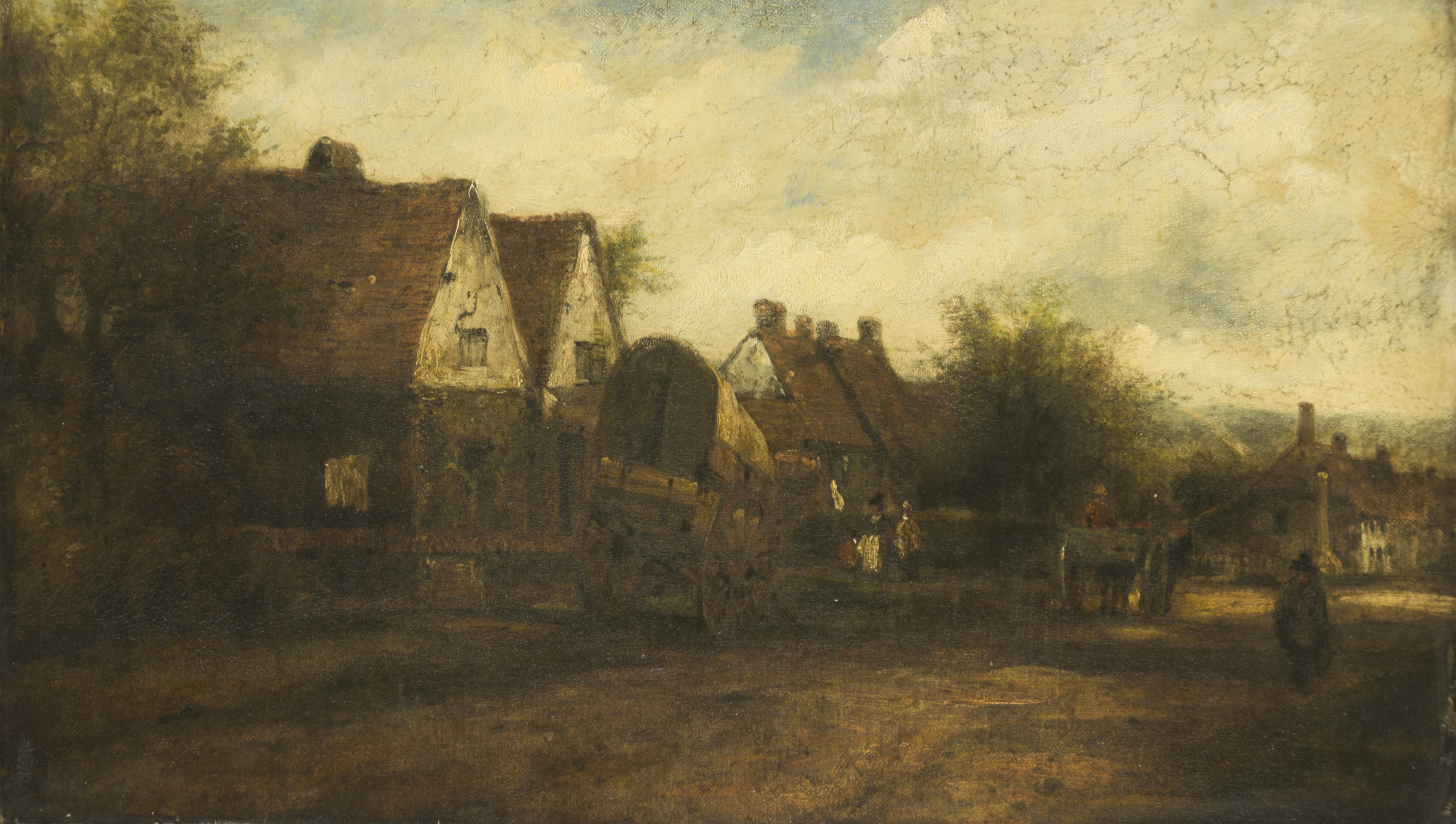
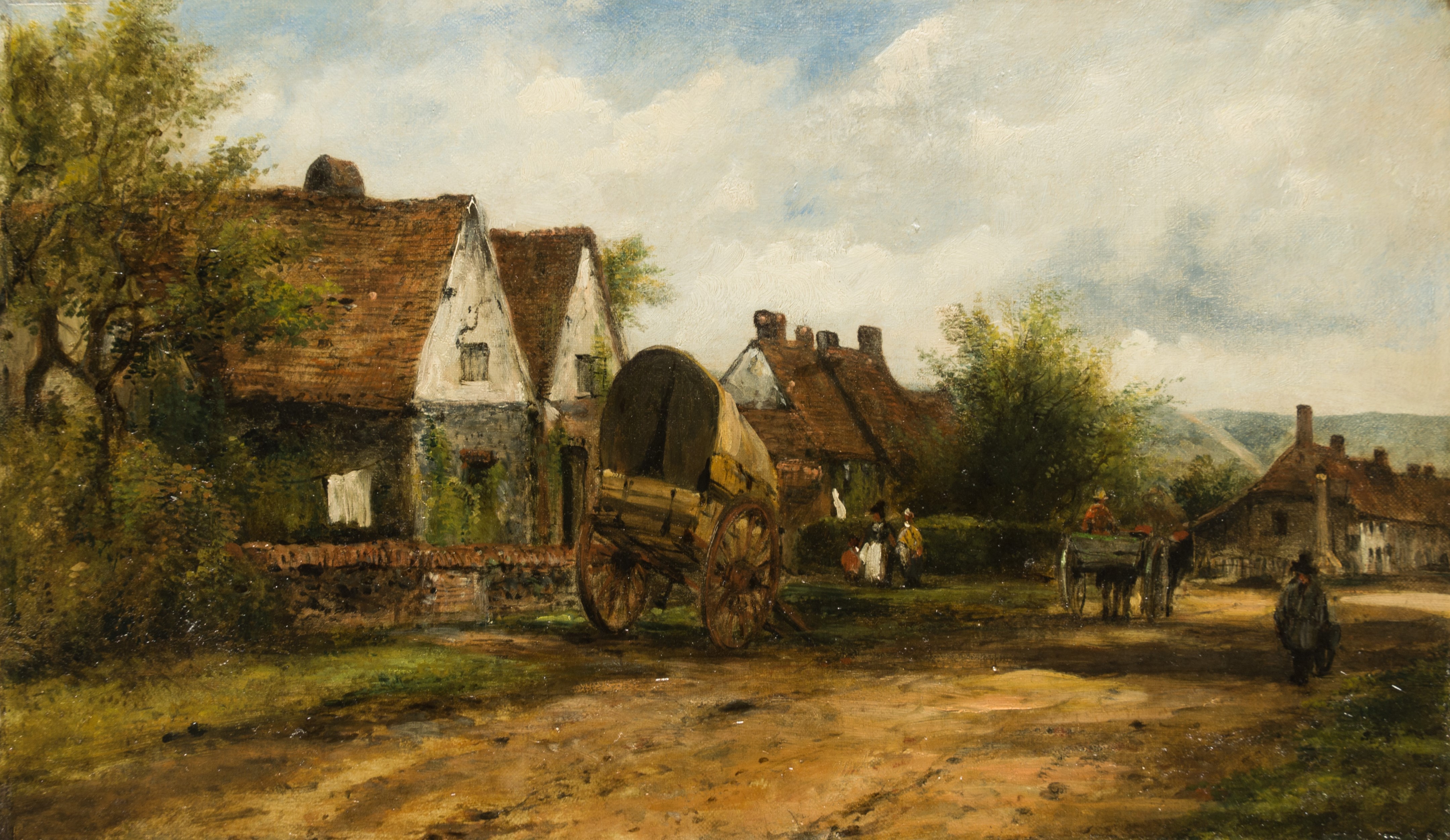
Watts was an extremely successful landscape painter, exhibiting dozens of times at the Royal Academy and other institutions. He was born in St Albans to William and Mary Watts. It’s possible his father was a painter as a W Watts is listed as exhibiting at the Royal Academy in 1821, with the same address as F W Watts. The title of the work by W Watts of ‘Sleeping Nymphs’ would indicate a different taste in subject matter though.
F W Watts married Jane Dorothy Gibbon at St Pancras in 1836, the daughter of the Vicar of Penally, Pembrokeshire. By 1851, they were living in Hampstead with three children but by 1853, Jane had passed away. Watts married Julia Greenwood in 1857, with whom he had two more children. Based in Hampstead, London for most of his life, the locations in his scenes show his love of his local area and the Thames. He also travelled across the south and west of England and as far north as Matlock and Manchester. He exhibited several paintings of the Isle of Wight in 1837, a year after his first marriage and possibly capturing a honeymoon destination.
Watts was known in his own time and since as an admirer and follower of the great British landscape painter John Constable (1736-1837). They both lived in the same area of Hampstead but Watts was considerably younger. His landscapes do show the clear influence of Constable but whether they ever met is unclear. The conservation treatment carried out on this small landscape has revealed a scene not unlike those by Constable, with its honest view of a rural village and tones of green and brown.
Cooper Gallery History
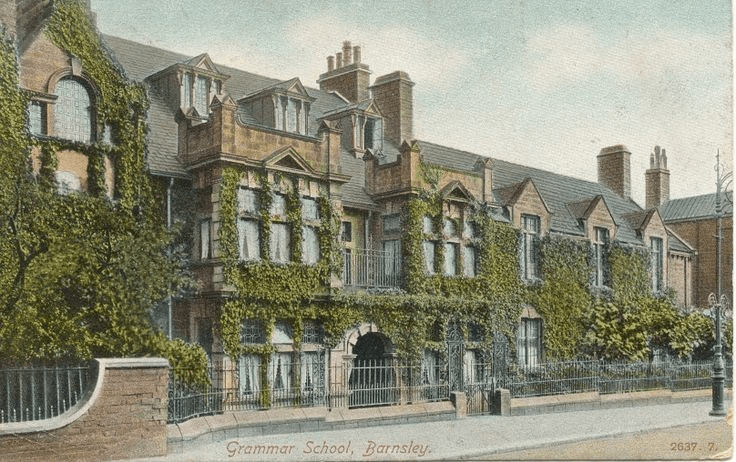
Read our previous blog to learn more about the history of the Gallery.
Explore more Barnsley Museums collections on our website

Download the free Bloomberg Connects guide from your app store to listen to an audio guide of our permanent collections. There’s more information about the app on our website
Have you seen our recent blogs?

 Barnsley Museums Blogsite