
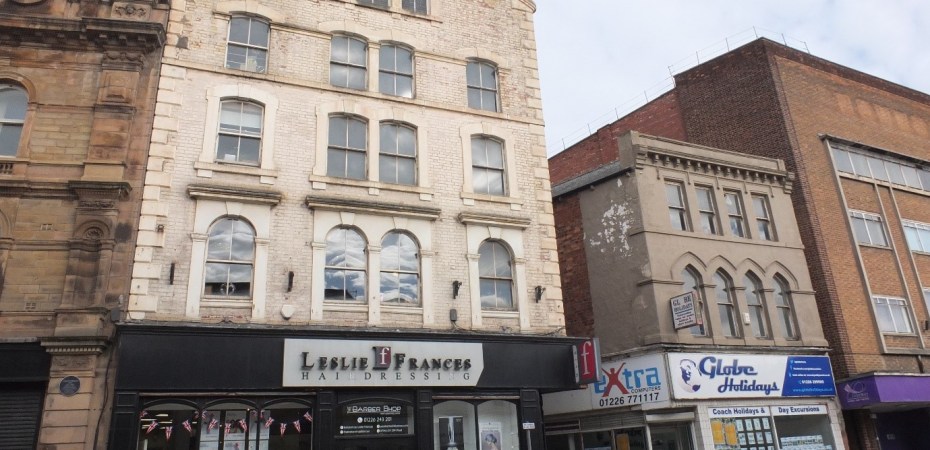
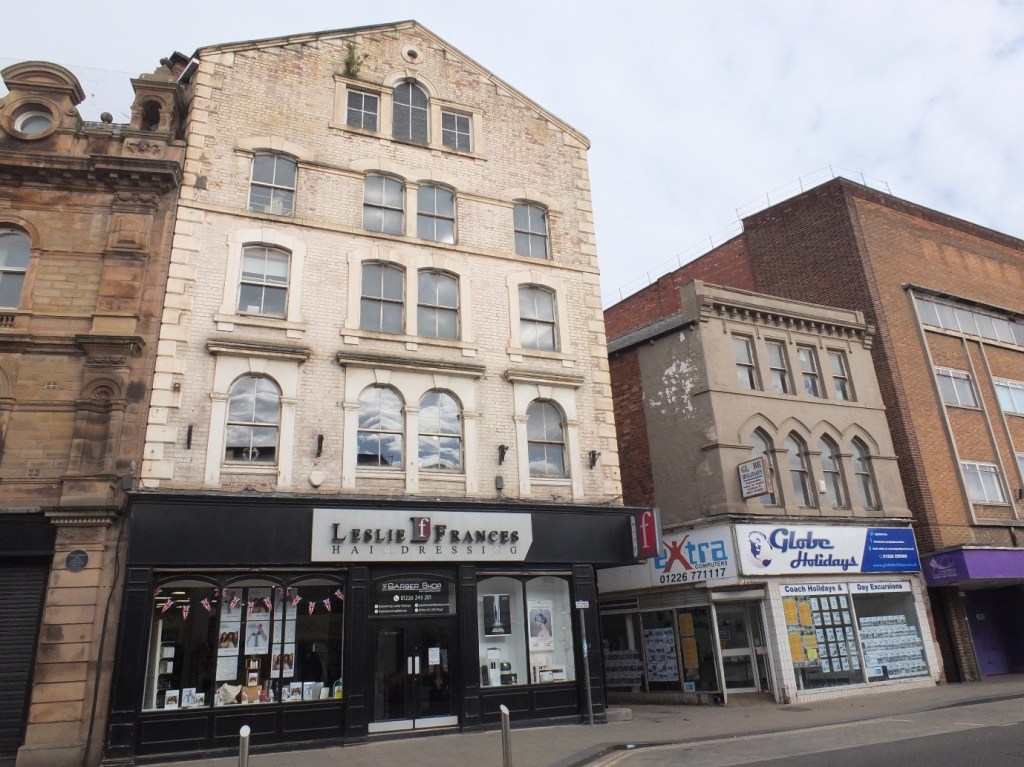
58 Eldon Street, currently Leslie Frances Hair Salon and Academy, is one of the oldest surviving buildings on Eldon Street. It is one of only a handful of linen warehouses surviving in Barnsley town centre, part of a hugely influential but often overlooked industry in the town, but it has also been used as a library, a department store and a snooker hall, amongst other things. Heritage Action Zone officer Tegwen Roberts and Local Studies sector specialist David Blunden explore the hidden history of this fascinating building.
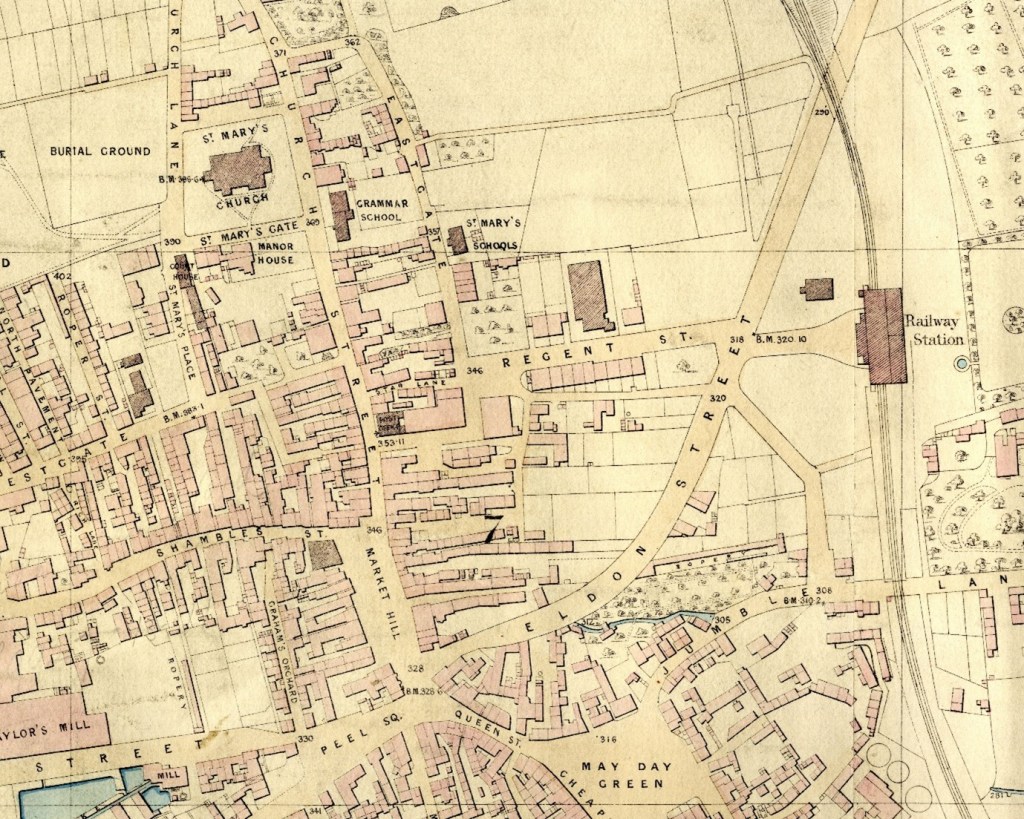
A Board of Health map of Eldon Street, published in 1856, shows most of the north side of the street, including what would later become 58, as open fields. Eldon Street had only been established a few years earlier, in 1840, with the railway station on the east side of Eldon Street being established in 1850.
A Linen Warehouse
In the 1860s and 1870s development on Eldon Street started to pick up speed. A building plan in Barnsley Archives suggests that the building at 58 Eldon Street was erected in 1868, as a textile warehouse for William Till. It was mainly red brick, with stone detailing. It had a dual aspect, with gabled frontages on the North and East sides of the building. The impressive frontage to the North (looking along Eldon Street towards Regent Street) suggests that the surrounding plots were probably still undeveloped at the time. This frontage is now largely hidden by surrounding properties, although it can still be seen from the alley between Eldon Street and Mandela Gardens.
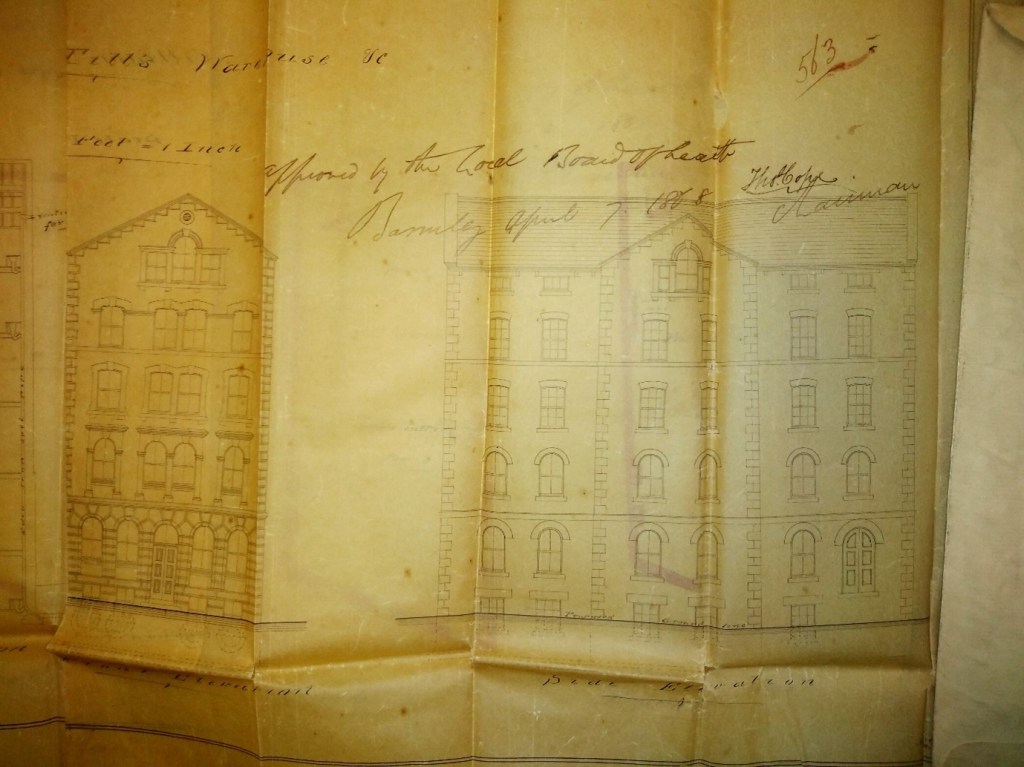
William Till is listed in the 1861 census as a general draper living in Barnsley. In the 1871 census he is listed as a ‘Manchester Warehouseman and Draper’; a wholesaler of linen and cloth from Manchester. In 1871 William, then aged 44, was living at 19 Cheapside, with his wife Anne and their 12 year old daughter Annie. Also in the house were William’s brother-in-law Henry James Broomhall (aged 23) a linen warehouse assistant, Phillip Wells (aged 22) a Manchester warehouse traveller, Henry John Laister (aged 21) a Manchester warehouse assistant, Thomas Spencer (aged 21) also a Manchester warehouse assistant, Alfred Charles Mason (aged 16) a Manchester warehouse apprentice, and Thomas Samuel Brooks (aged 18) a linen drapers apprentice.
Along with glass making, the linen industry was a key industry in Barnsley in the 18th and 19th centuries. Barnsley’s first large-scale linen mill was built on Peel Street in the 1840s by Thomas Taylor. Before this, linen was produced in smaller scale weavers’ cottages within the town and villages in the nearby area. Only a small number of linen warehouses still survive in the town centre, including on George’s Yard and Cass’s Warehouse on St Mary’s Place, both of which are grade 2 listed for their historical significance.
William died in December 1880, aged just 53. His wife Anne died before him in 1871 (a month after the census was taken) aged just 39.
New Premises for the Friends Adult Education School
From 1877-81 58 Eldon Street was occupied by John Hindson, a corn, seed and tillage merchant who sold corn cake (animal feed) and hay. This endeavour apparently did not last long, and an article in the Barnsley Chronicle, published in August 1883, stated that the Barnsley Friends (Quakers) Adult Education School had recently moved into new premises on the first and second floor and cellar of ‘the building in Eldon Street erected for the late Mr Till, which has for some time been unoccupied’. The article goes on to say that the school had around 300 members who met at 8.45am on Sunday mornings for writing and scripture lessons.
The article describes the upper floors of the school as “well lighted, fitted with gas, and warmed by means of gas stoves” with curtains used to divide the large floorspaces into smaller classrooms for lessons, and reversible desks set out in rows. The article describes the opening of the school, which was marked by meetings and speeches. The school apparently had its own library, possibly the first in a line of Eldon Street libraries, culminating in the current Library @ the Lightbox. Barnsley Archives has an early copy of the Friends library catalogue from 1865. Unsurprisingly, the collection was heavily influenced by Quaker writing and philosophy.
Another newspaper article in 1892 reported on the annual general meeting at the adult education school on Eldon Street. By this time the school was reported to have 422 members and was running a number of clubs to support members, including a Sick Club, Clothing Club, Mothers Meeting and Saving Club. By 1895 the Adult Education School appears to have left Eldon Street and in October of that year the Barnsley Chronicle reported that the annual meeting of the school was held at the Regent Street Congregational Chapel just round the corner.
A. Porter and Sons – a grand new shopping emporium
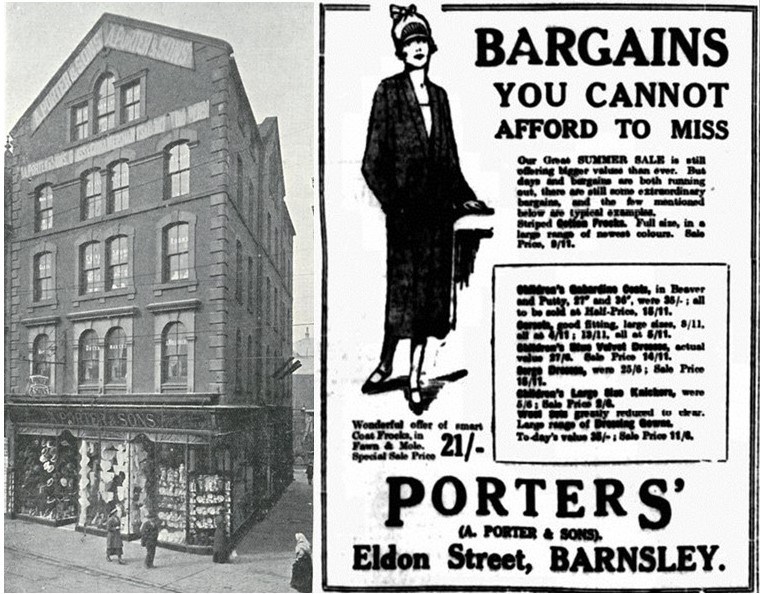
In 1896 the building was taken over by A. Porter and Sons and was converted to a department store. On May 14, 1898, they ran an advert in the Barnsley Chronicle announcing the re-opening of ‘new and enlarged premises’ at 40 Eldon Street (the street was renumbered at some point in the 20th century with number 40 later becoming number 58). The advert claimed that ‘A. Porter and Sons beg to announce that they have recently made very extensive alterations and additions to their premises, entirely reconstructing same and converting them into one large front shop with wholesale warehouse behind, and above them four very large and commodious show rooms fitted with all the latest improvements and appliances.’ It went on to say that access to the showrooms was either by staircase, or by the new passenger lift, and that ‘the building throughout is illuminated by electric light’.
Ann Porter was a widow who set up her own business to provide for herself and her sons after her husband died. She opened her first shop on Sheffield Road in the late 1870s. Ann is one of a number of trailblazing women business owners connected with Eldon Street. You can read more about her in our previous blog Women Business Owners of Eldon Street.
A Porter and Sons specialised in selling china, glass and earthenware household items as well as being a drapers, and was one of the first department stores in Barnsley to cater specifically for women. In 1896 their slogan was ‘Everything a lady wears and most things for the home at cheaper prices than can be found elsewhere’. By the time of the 1911 census, the business was being run by Ann’s sons, George and William Porter, with their wives and older children all ‘assisting in the business’.
However, it wasn’t all plain sailing for the business in their early years on Eldon Street. On 16 May 1899 the building suffered a significant fire, which started at around 5pm in the rear cellar of the building. An article in the Barnsley Chronicle reported that smoke was first observed coming out of a basement window. A water hose was brought from the Harvey Institute (now the Civic) by the gas attendant, George Dingle, and a large crowd of onlookers helped to carry ‘light stock’ out of the showroom at the front of the building and to a neighbouring property. One of Porter’s employees, a young man, went into the basement and turned off the supply to the two gas engines which drove the hoist and the electric light. The paper reported that ‘his eyebrows and eye lashes were singed, but he otherwise escaped without harm.’ Luckily the fire was eventually contained, and the main damage was to the basement and ground floor, although sections of floor had to be ripped up and windows smashed to get the water in, and the damage caused by breakages and water was reported to be considerable.
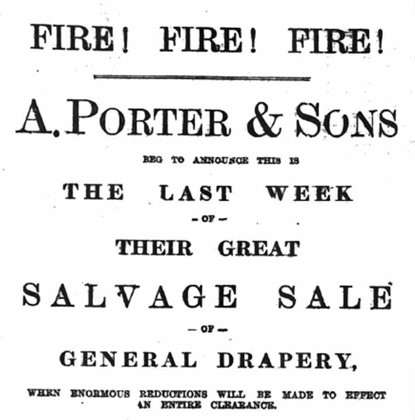
The business submitted an insurance claim, the detail of which survives in the records of Lancaster and Sons, recently catalogued by Barnsley Archives. The substantial claim included repairs to windows, doors, and floorboards, replacement of fixtures and fittings in the sale shop and basement, repairs to the electric gas engine and loss of stock. In total it amounted to £1,114 3 shillings and 5 pence, over £175,000 in today’s money! Nevertheless, they turned the fire into an advertising opportunity. Between May and July of the same year they published regular adverts in the Barnsley Chronicle advertising their fire salvage sale.
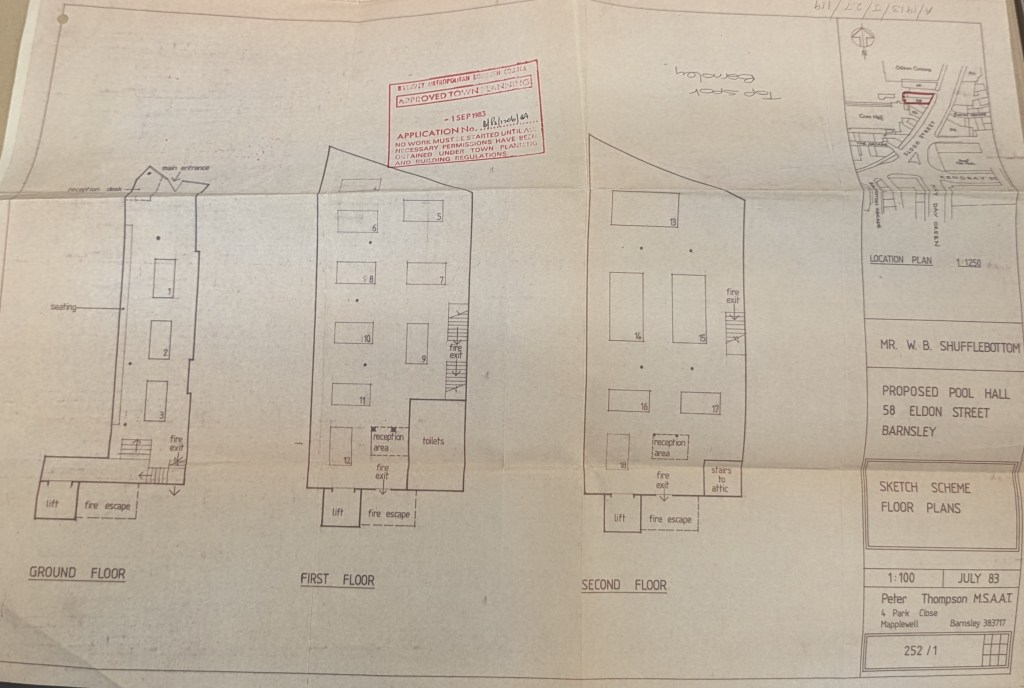
Porters closed in 1936 and the ground floor of the building was split into two. The two new units (58A and 58B) were occupied by G Burnett and Sons (decorators supplies) and Bessie Evans (women’s fashion). Both shops opened in 1938. Bessie Evans closed in 1968, but it remained as various women’s clothes shops until the mid-1980s. Burnett and Sons closed in 1980 and was replaced by Harts (wallpaper) until around 1984. A large plan for redevelopment of much of the property was submitted to Barnsley Council in 1983 for conversion into a pool hall on three floors. This plan still survives in Barnsley Archives.
The last tenants of the two-shop format were Cue Ball Amusements (pool and snooker) and Anglian Windows during the late 1980s and into the early 1990s.

Leslie Frances Hair Salon and Academy
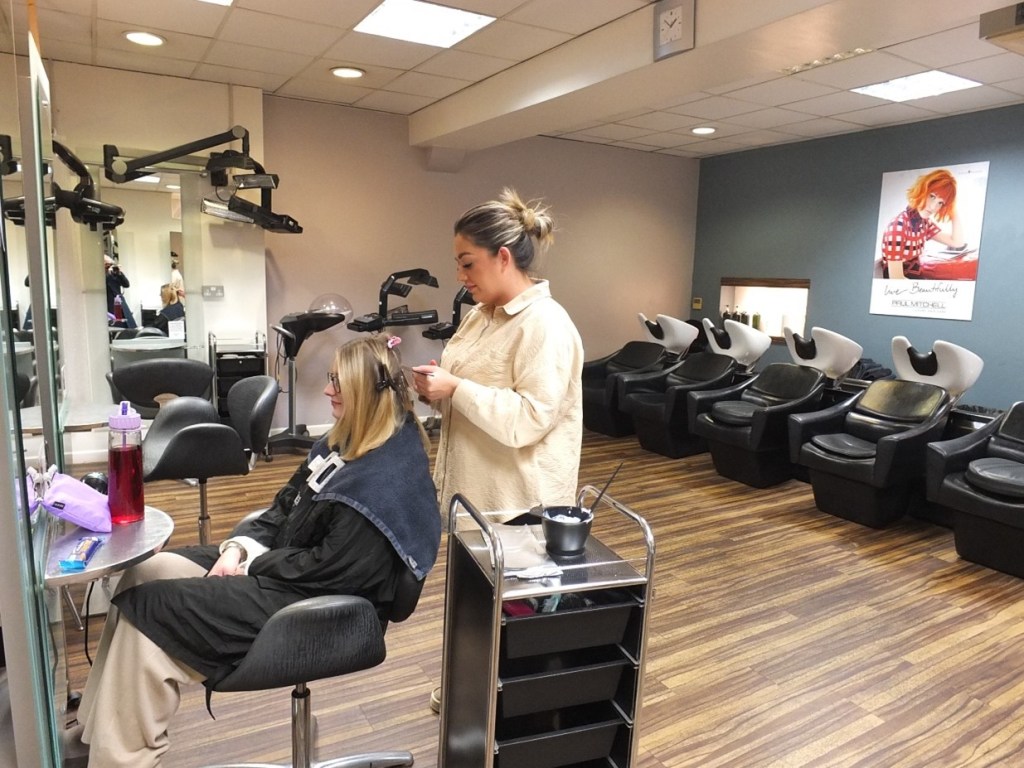
Leslie Frances Hair Salon and academy (the current owner and occupant) opened here in 1994 after a major refurbishment. They moved from smaller premises above the Eldon Arcade on the opposite side of the road. The business first started in the late 1950s with Leslie and Mabel Frances (brother and sister) at the helm. Their father was also a hairdresser, and the family had been styling hair as far back as the late 1800s. They took part in competitions across the country and pioneered many new developments in hair dressing. By the 1970s the salon had been taken over by David Frances, and had started to develop a reputation for training stylists. In 1983 Leslie Frances became the first approved hairdressing organisation in the UK to take part in government-approved training programmes, including Youth Training Schemes.
Memories of Leslie Frances featured in the Teenage Wildlife project run by the Civic as part of the Eldon Street High Street Heritage Action Zone.
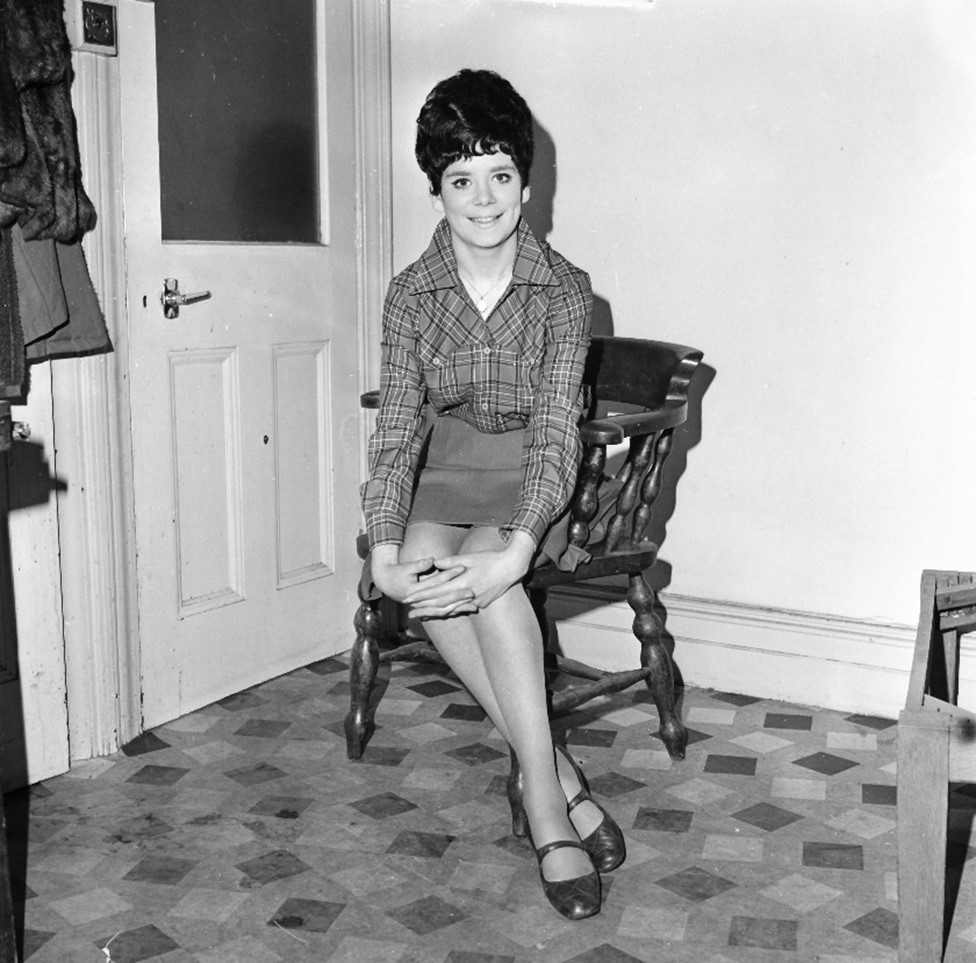
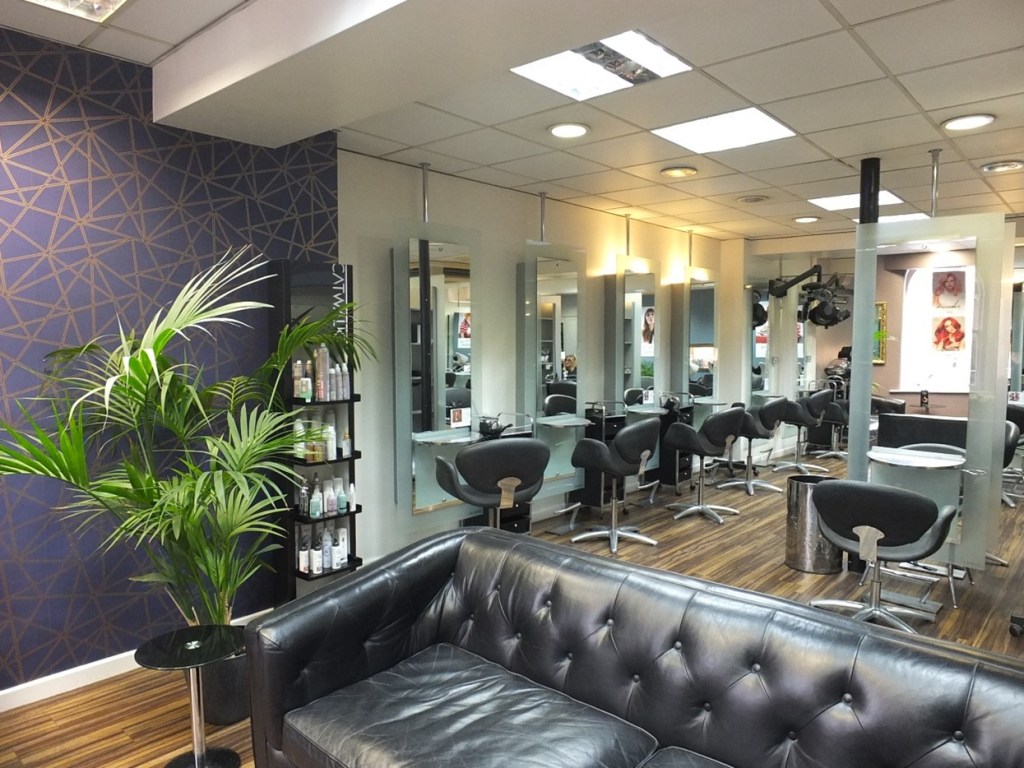
Leslie Frances have trained thousands of hairdressers over the years, and their trainees have gone on to style hair across the World. The business is now owned and run by two inspiring women, Denise Childs and Debra Ashurst.
The building has recently received a grant from the Eldon Street High Street Heritage Action Zone, to renew the traditional shopfront and renovate the gable facing Eldon Street. At the time of writing (late January 2024) conservation works are about to start and are due to be completed by the end of March 2024.
Have you read our other recent blogs?
 Barnsley Museums Blogsite
You must be logged in to post a comment.