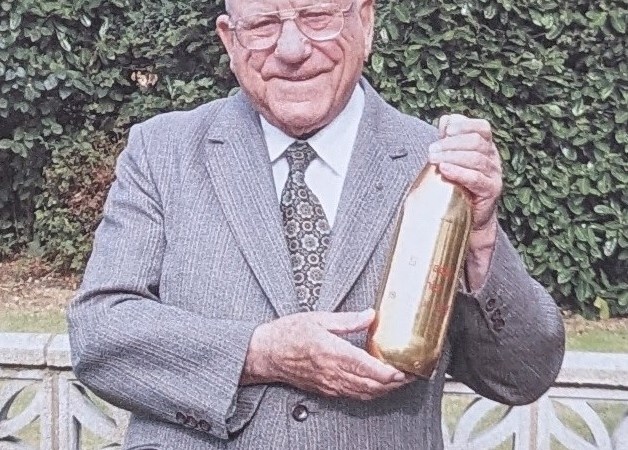
To mark Recycling Week in 2023 Tracey Hebron (Collections Clerk) and Michael Hardy (Digital Curator) have teamed up to share the story of Stanley Race who made history on 6th June, 1977 when he dropped an empty jar into the very first glass recycling bank in the country. This blog also explores the history of Redfearn’s, where Stanley was Chairman and we also look at a display about sustainability at Experience Barnsley Museum
Stanley Race was born at 223A Park Road in Barnsley on September 3rd 1917, the seventh of eleven children. He did well at school, passing his school certificate that would have enabled him to attend 6th form and later University. However, despite his wishes his parents didn’t allow that to happen and asked him to leave school at 16. In his memoirs Stanley writes ‘As it happened in July 1939, Redfearn Bros Ltd, Glass Container Manufacturers, located at the bottom of Harborough Hills Road, Barnsley, contacted the Careers Master at the Grammar School and said that they had wanted three students to be sent for interview, with a view to becoming a junior management trainee’. Stanley was sent with two other boys to be interviewed by the then managing director Mr H.H Asquith and his two brothers George and Milton Asquith. Being successful Stanley left school before the end of term and began his 49-year career at the firm, with the exception of 6 years in the army.
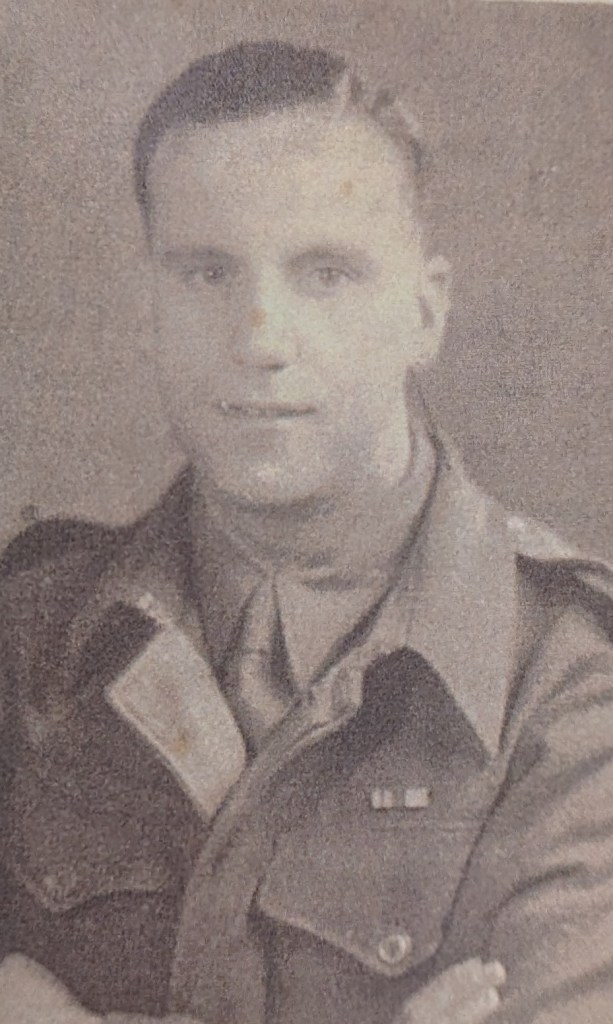
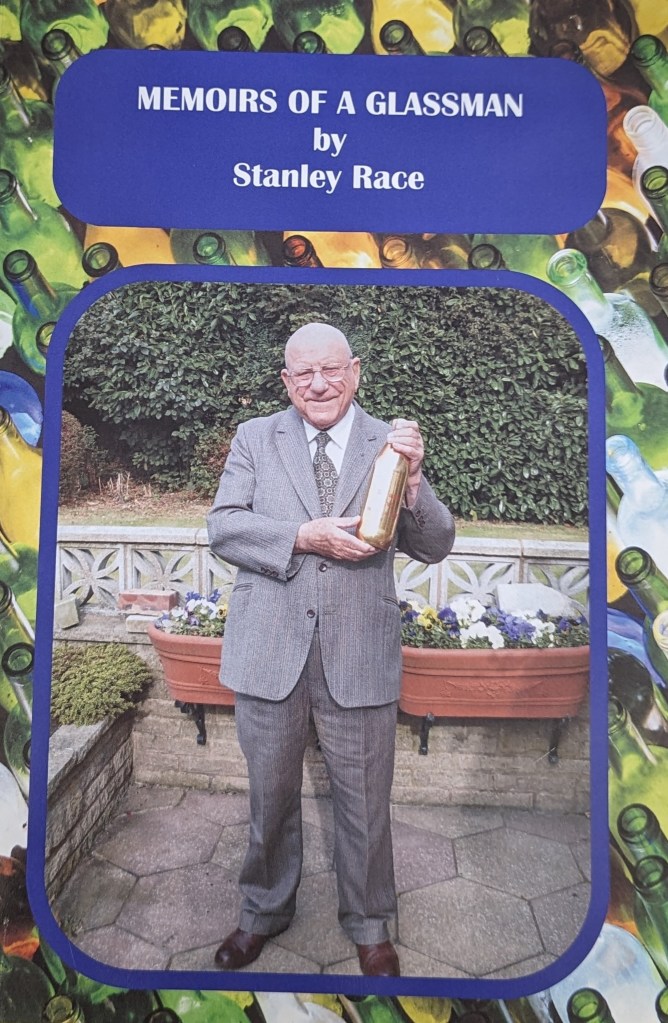
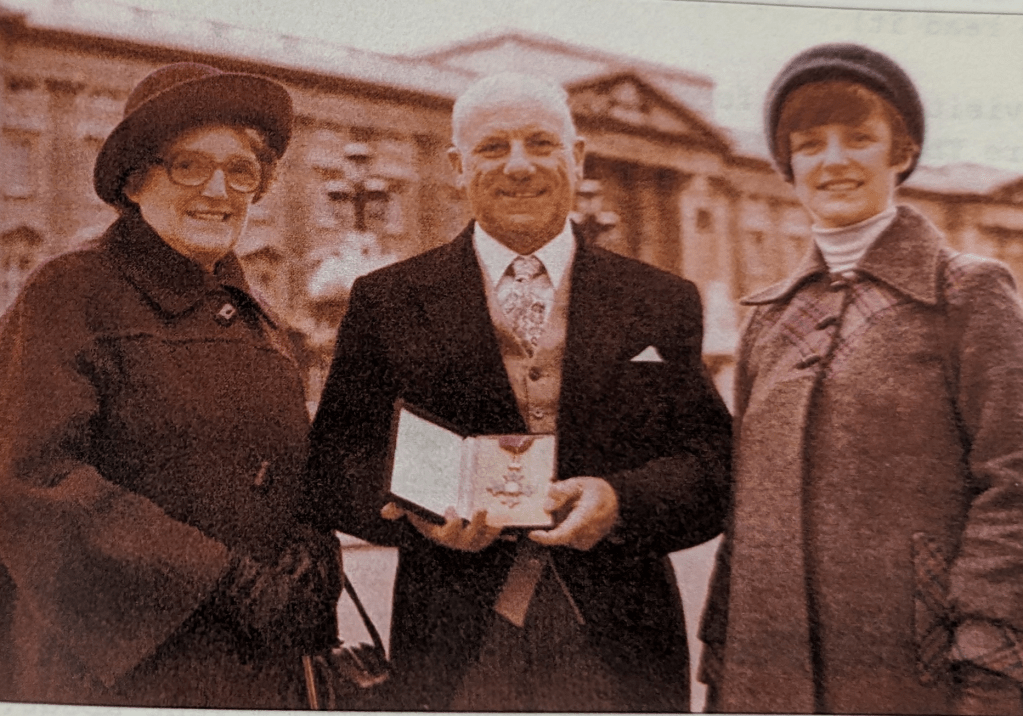
Photographs of Stanley Race from, ‘Memoirs of a glassman’ available to read in Barnsley Archives and Local Studies
Stanley started work at Redfearn’s in administration, after his time in the war he went back to the business, where a new factory was being built in Monk Bretton. There he began overseeing work done by contractors on site. In addition to his day job, he also started studying Glass technology at evening classes at the Barnsley Technical College. Stanley continued climbing the career ladder at the factory, he moved to the position of Works manager before becoming Works director in 1956. His passion for the glass industry was now cemented, in 1976 he became President of the Glass Manufacturers Federation.
It was in the 1970s that Stanley changed the world of recycling in a way he never imagined at the time, In 1971 he was writing to various people about a litter problem and the lack of use for glass ‘cullet’ to be returned to manufacturers. In 1974 the factor received a visit from the environmental commission of the E.E.C who were concerned about the large number of non-reusable bottles being produced. Stanley began a campaign to develop some kind of container to be used by supermarkets and by local authorities to collect glass to be recycled. This led to the first bottle bank being launched in August 1977, in county headquarters car park, Barnsley.
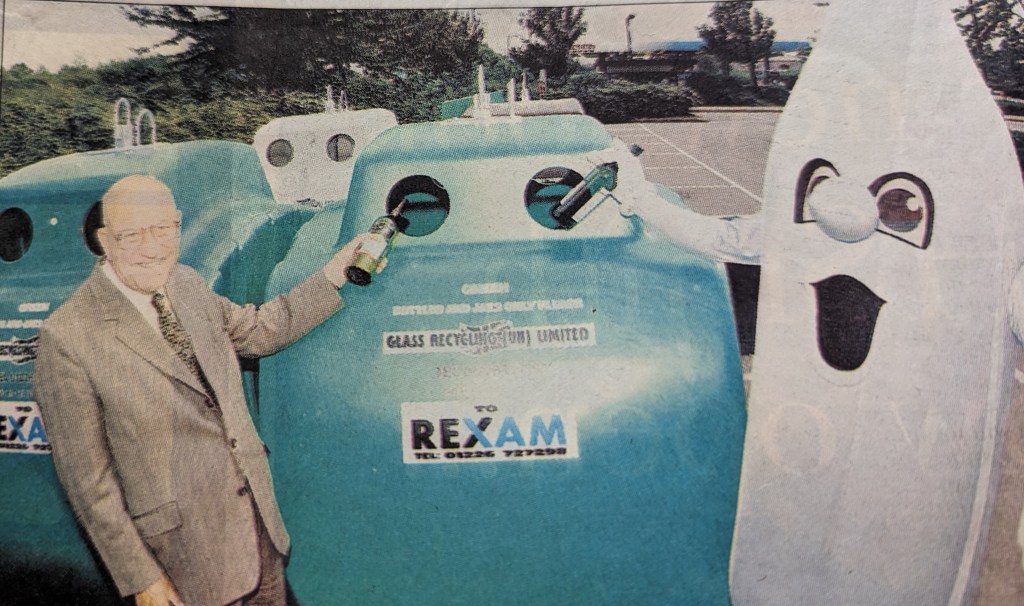
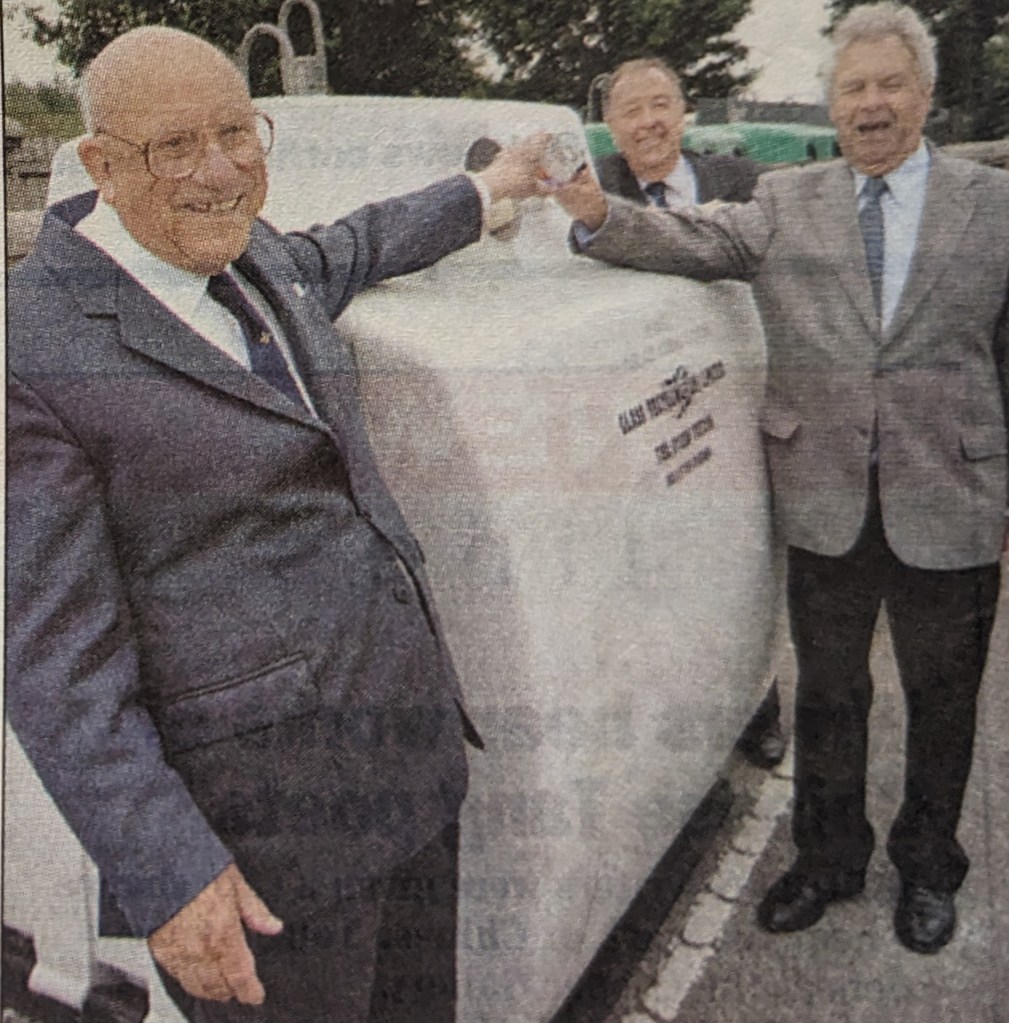
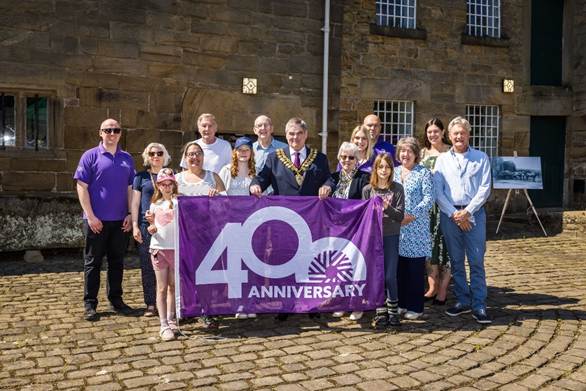
Photographs taken during an event to mark the thirty anniversary of the first bottle bank
This gained coverage in the media, Stanley was overwhelmed with its success saying ““I thought we would make an impact in this area, where there are so many glass works, but I didn’t think there would one day be a bottle bank in every town in the UK.” In 1979 he was appointed a C.B.E for services to the glass industry and the local community. He died aged 96 in 2014. In the build up to Experience Barnsley opening in 2013 we recorded an interview with Stanley, in this clip he speaks about returning to Redfearn’s following WW2 and introducing the UK’s first bottle bank
In 2023 Stanley was remembered in a new display about sustainability in Experience Barnsley Museum
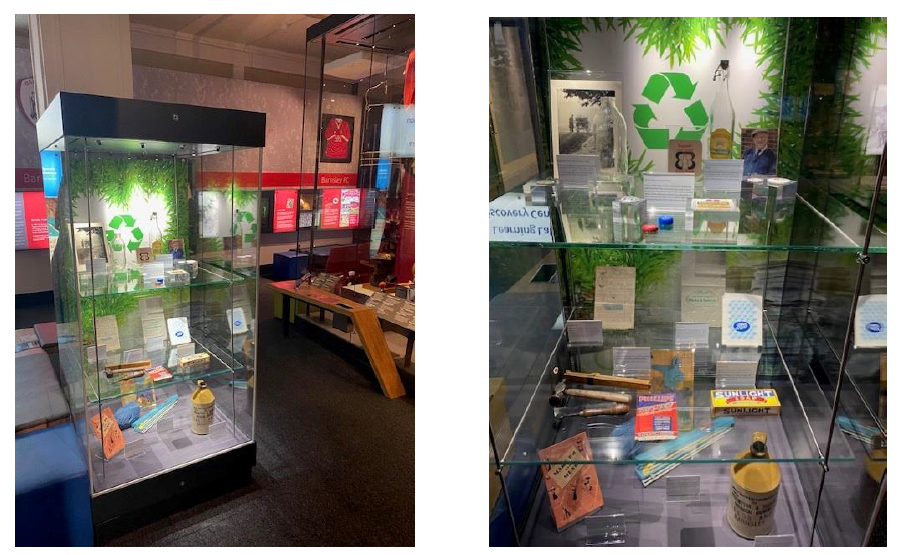
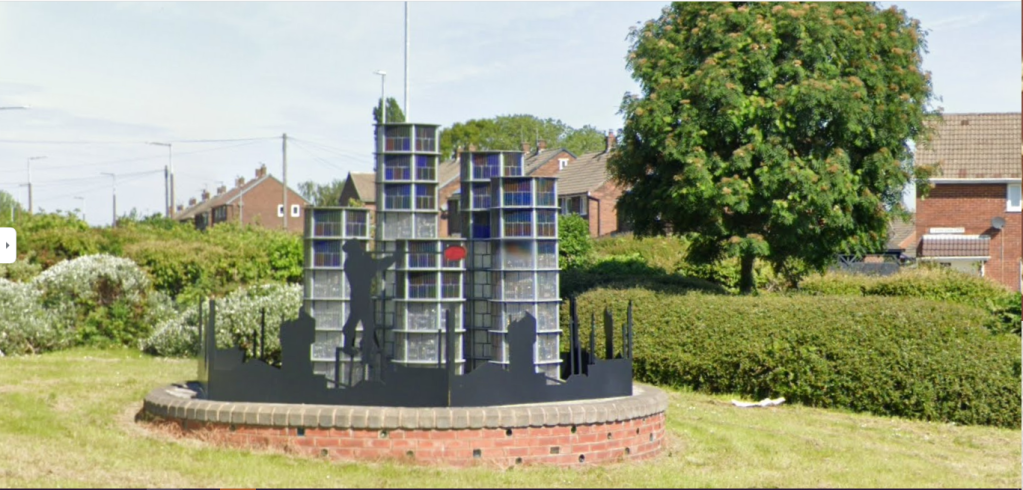
Stanley’s achievements live on in other ways too, in Monk Bretton there is a sculpture dedicated to him and Barnsley College has a bursary in his name.
Redfearn Brothers
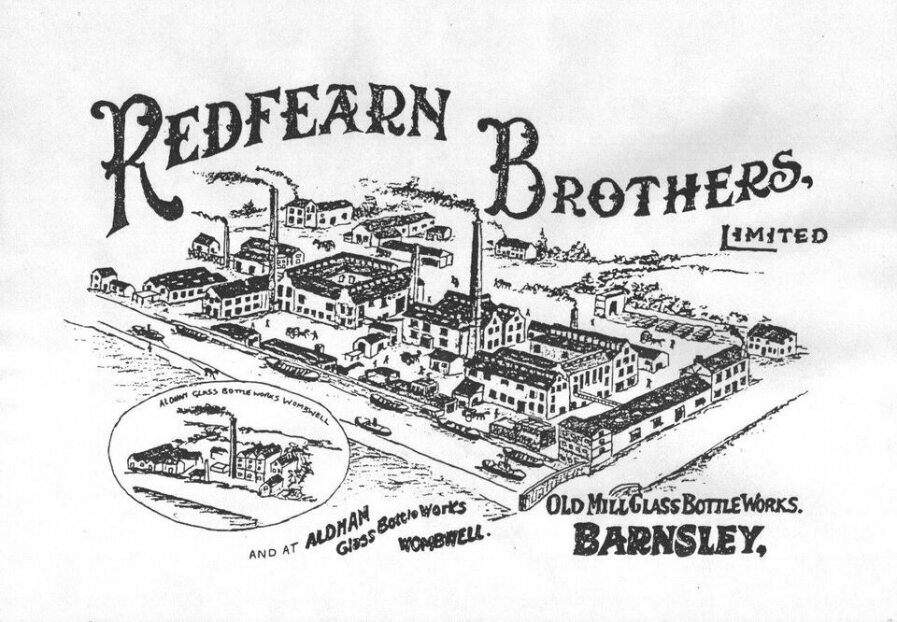
The Redfearn family had a long history of glass making, the earliest reference dates back to 1839 and an indenture for Ben Redfearn who had a four year apprenticeship with the Aire and Calder Bottle Works at Castleford. It was in 1862 that Joshua and Samuel Redfearn went into partnership to form the Redfearn Brother glass container manufacturing business in Harborough Hills Road, Barnsley. These premises were built on the banks of the Aire and Calder Canal. Glass bottles at this time were hand made and glass blowers worked in teams of five. A Redfearn’s fact file in Barnsley Archives mentions that at this time the rate of production was 1,152 half-pint bottles per team for each ten and a half hour shift.

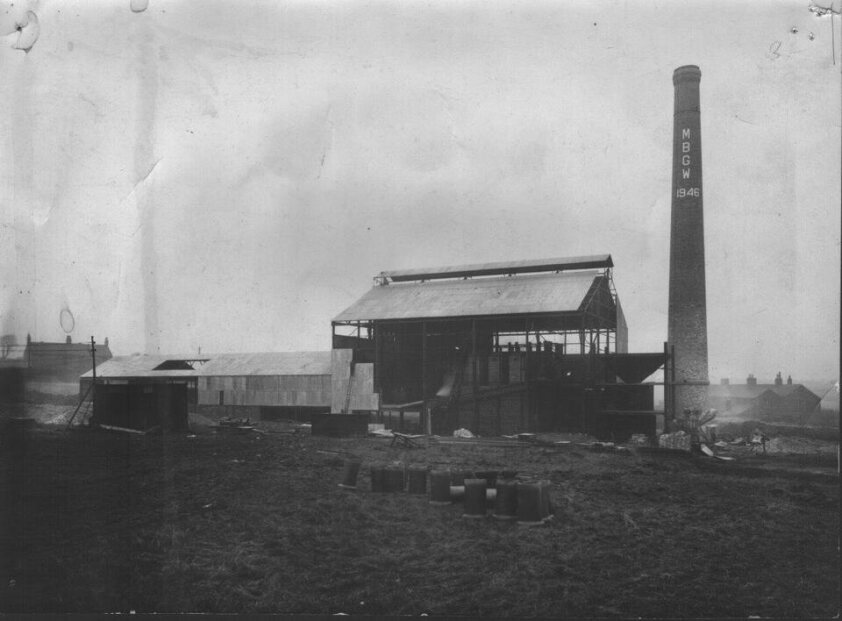
In 1935 Redfearn Brothers Limited became a public company and had continued to grow and employed over 750 people. After the second world war, modernisation and the installation of new machinery was needed. The decision was made to move away from Old Mill to nearby Monk Bretton and a new factory opened in 1947.
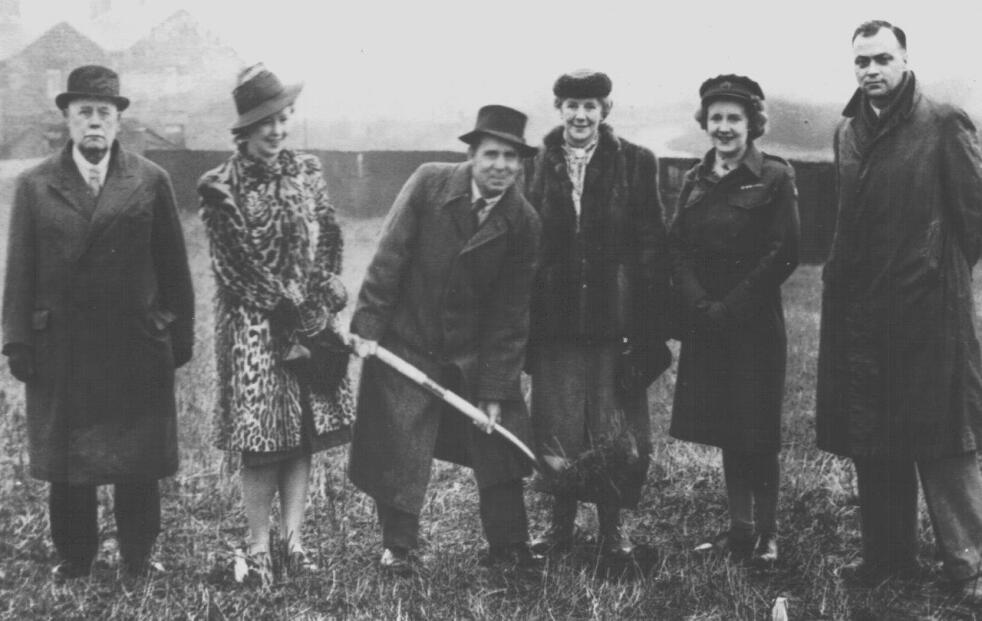
The Old Mill site didn’t close straight away, staff gradually moved to Monk Bretton as the factory continued to expand. 1967 was a significant year for the company as it merged with National Glass Works of York and the new company became Redfearn National Glass Limited. At that time Redfearn’s was the third largest company in Great Britain producing glass and the Monk Bretton factory was the single biggest unit in the country. The Old Mill factory closed in 1968.
By 1970 Anthony Barber resigned as Chairman leading the way for Stanley Race to take over and his ambition to modernise the company resulted in a £25 million investment over a five year period. With Stanley as the Chairman the company continued to go from strength to strength in the early 70s with the factory having record profits and employing over 3,000. The factory being at forefront of glass recycling played a big part in the continued success and by 1977 they were melting up to 350 metric tonnes of glass per day, more than anywhere else in the country.
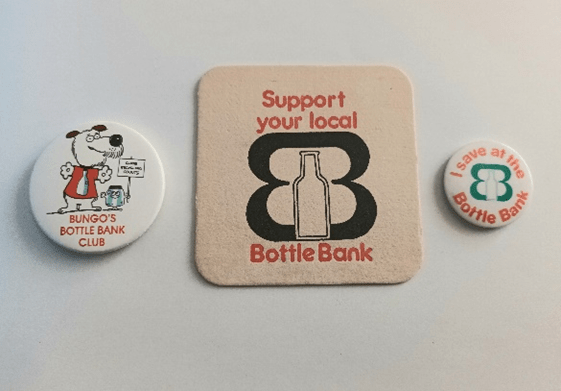
After a very successful spell in the 70s came a slight decline for the company in the 1980s but this was largely due to a world wide recession rather than how the factory was operating. Redfearn’s had a factory in York and the decision was made in 1983 to close it and focus on Barnsley. This decision along with a change in Board Directors meant that the company came out of the recession and by the end of the 80s were once again in profit. In 1988 a successful takeover bid by a Swedish packaging company called PLM resulted in a name change and PLM Redfearn Glass and the company was integrated into one of the leading packaging companies in Europe.
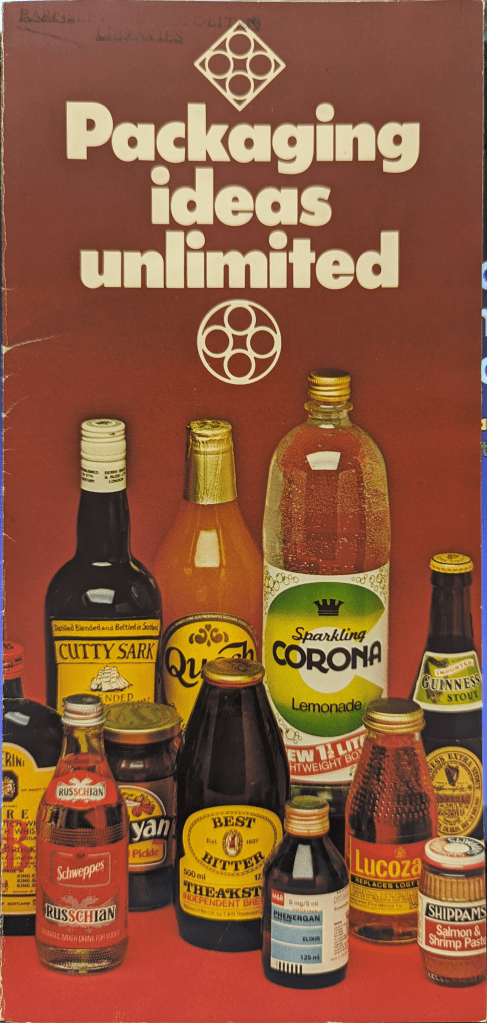
Now offering ‘a total packaging service’ that meant for a short while in the 1990s it was estimated that Redfearn’s were making 30% of the entire beer bottles in the UK and in 1992 was the largest glassworks in the UK and amongst the largest in Europe
In December 1999, The Barnsley Chronicle announced ‘British takeover for Barnsley company’ and for the first time in the company’s history the family name was dropped being replaced by Rexam, a company formerly known as Bowaters. After several name changes over the years the final takeover came at the end of 2005 when Ardagh Group have continued the tradition of glassmaking in Barnsley
Visit Experience Barnsley and Barnsley Archives and Local Studies to learn even more about Redfearn’s and glassmaking in Barnsley.
Have you read our recent blogs?


 Barnsley Museums Blogsite