In the second of a two part blog Tracey Hebron, Collections Clerk explains what happens to an object/collection once it has been considered at Barnsley Museums acquisitions panel.
Accessioning Objects
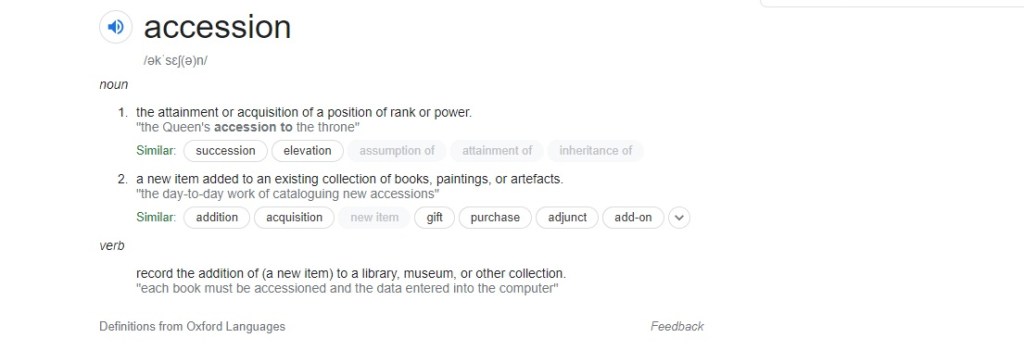
“Accessioning” is the process of creating a permanent record of an object. The first step is to assign the object with an accession number. An accession number is an inventory number. Every item in a museum collection must always carry its identity number, so that it can be linked to the information a museum holds about the object. Every item in our collection has a unique number which consists of two parts. The first part is the site in which the item will be stored, the second part is the number given to that object. So, you will end up with something that looks like this BMBC.TH.1212. This is recorded on our database.
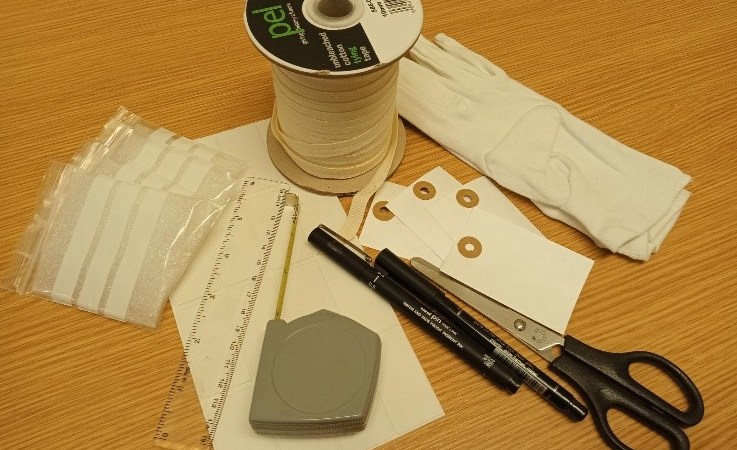
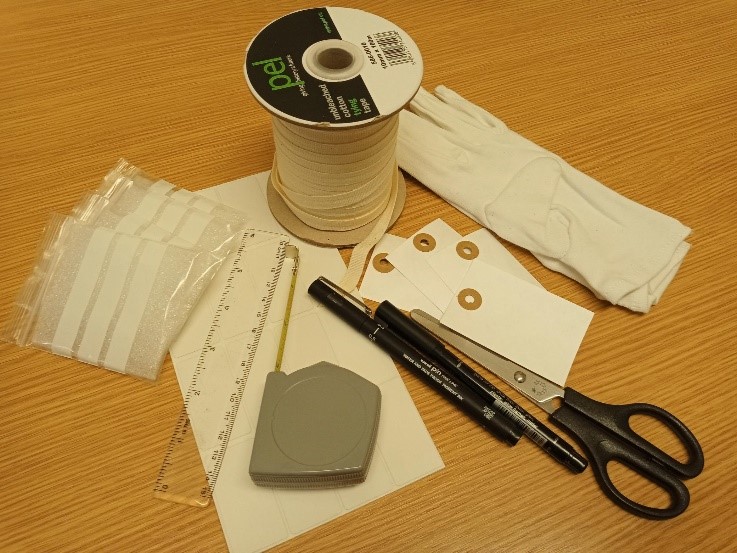
The next step is to label the item. The type of object dictates how, and what type of labelling is used. For most of our items we use a simple method of writing on a Tyvek label ( a waterproof piece of paper that can be cut to size) and a permanent marker pen. The label is then tied to the item in a location where the label can be visible in storage. Other items, for example coins, will be labelled up slightly differently. Attaching a label would not work so instead we would place the coin in the appropriate size bag and write on the bag.
The next step would then be to enter the objects details and history onto the collections database. Recording a number of details such as the object name, description, size, and condition. We then assign a place for the item and record this location. The database allows us to keep track of the record and document the provenance or history. The final step is to create a physical object file for the item, this is where we keep all the information we have on an object and continue to add any research.
The future of objects in our care
When an item is part of our collection it is cared for following national museum standards. We access items to see if they need cleaning and conserving. For artefacts not on display they go into storage. Each storage room has shelving or racking with a unique assigned location code. When an object is put away, this location code is recorded and inputted with the rest of the artefact’s information into our database or in its object folder. Anytime an artefact is moved, the location code is updated to ensure that we always have an accurate picture of where our collections are. Objects in our care continue to educate and entertain our visitors. We are constantly revisiting collections to add additional information, upgrade storage, or refresh exhibits.
Although many of our artefacts are in storage rooms, the museum team are working hard to ensure much of our collection is online
explorebarnsleycollections.com is updated regularly. If you have an object you wish to donate, please email museumandarchivecollections@barnsley.gov.uk
If you haven’t already, check out our previous blog for more details about the Barnsley Museums acquisitions process….

Barnsley Museums & Heritage Trust – 2025: A Year In Review
As we look ahead to what 2026 has to offer, Gillian Thorpe from Barnsley Museums & Heritage Trust re-caps 2025 2025 was a very exciting year for Barnsley Museums and Heritage Trust as it was the year we celebrated our 10th anniversary, and an event was held at Barnsley College to celebrate this milestone. 2025…

Celebrating Volunteer Impact: Highlights from Barnsley Museums
Volunteers are amazing. They give their time, energy, and commitment to make our museums and heritage sites better for everyone. In doing this they have created a community across five distinct but connected places. They have done incredible things supporting Barnsley Museums and while we can’t cover everything, here are some highlights from 2025. Pathways…
Exploring Monk Bretton’s 17th Century Letters Patent
Paul Stebbing, Barnsley Archives and Local Studies Manager, examines a visually impressive parchment document which casts light on an important part of Monk Bretton’s history. One Gem from the Archives that makes an appearance at many of our events and open days is the Grant of King James I by letters patent of the Manor…
 Barnsley Museums Blogsite